A business profile template is will help you create a great profile that tells about your business and what you are all about. You should create it in a way that is formal and professional but simple and easy to understand. Taking time to create a business profile and make something that will show off your business. Moreover, you have to format everything in a way that a business profile should be formatted.
Table of Contents
What is a business profile?
A business profile is a written overview of your company. It explains who you are, what you do, whom you serve, and what makes your business different. It can be used on your website, in proposals, company presentations, social media pages, investor decks, and partnership documents.
A good business profile usually includes:
- Company name and basic details
- Business background
- Mission and vision
- Products or services
- Target audience
- Unique selling points
- Achievements or milestones
- Contact information
Many people confuse a business profile with a business plan, but they are not the same thing. A business plan is usually internal or investor-focused and goes deep into operations, finances, and growth strategy. A business profile is more public-facing and designed to introduce the company clearly and confidently.
What is a business profile template?
A business profile template is a ready-made format that helps you present important company information in a professional way. It usually includes sections like company overview, mission, services, target audience, achievements, and contact details.
Why a Business Profile Matters More Than Most Businesses Realize
I think a lot of businesses underestimate how often people judge the business by its written presentation. You might offer amazing services, have strong customer support, and deliver great results, but if your company profile feels vague or generic, trust can disappear quickly.
Here’s why a business profile matters:
It builds credibility
A professional profile makes your business look established and serious. Even a newer company can create a strong impression with the right words and structure.
It saves time
Instead of repeating the same explanation in emails, meetings, and proposals, you can rely on one clear document that introduces your business properly.
It supports marketing
A well-written business profile naturally includes important keywords related to your niche. That makes it useful for website SEO, brochures, business listings, and online directories.
It helps with partnerships and sales
When potential clients or collaborators understand your business quickly, they are more likely to move forward.
It creates consistency
Your brand message becomes clearer when everyone on your team uses the same core company description.
Who Needs a Business Profile Template?
The short answer is simple: almost every business.
A business profile template can help:
- Small businesses
- Startups
- Agencies
- Consultants
- Freelancers building a brand
- Manufacturers
- Service-based companies
- Ecommerce businesses
- Corporate firms
- Local businesses
Whether you run a digital marketing agency, a salon, a law firm, a construction company, a software startup, or a retail store, a business profile gives your brand a stronger identity.
What to Include in a Professional Business Profile
A lot of people search for a company profile template or business description template because they are not sure what belongs in it. The truth is, you do not need to overcomplicate it. You just need the right sections.
Business Name and Basic Information
Start with the essentials:
- Business name
- Founded year
- Location
- Industry
- Contact details
- Website and social links
This section gives readers quick context.
Company Overview
This is the heart of your profile. In a few lines, explain what your business does and what market you serve.
For example, instead of saying, “We provide quality services,” say something more specific like, “We help small and mid-sized businesses build modern websites, improve search visibility, and turn traffic into leads.”
Specific always feels stronger than generic.
Your Story
People connect with stories more than polished corporate language. Share how your business started, what inspired it, or what gap in the market you wanted to solve.
This part makes the profile feel human.
Mission Statement
Your mission explains what your business exists to do right now. It should be clear, practical, and customer-focused.
Example:
Our mission is to help local businesses grow online through affordable, results-driven digital marketing.
Vision Statement
Your vision looks ahead. It shows where the business wants to go and the impact it wants to create.
Example:
Our vision is to become a trusted growth partner for small businesses worldwide.
Products or Services
Target Audience
Mention who you serve. A business that serves “everyone” usually sounds unfocused. A business that clearly knows its audience sounds more trustworthy.
For example:
- Startups
- Local businesses
- Ecommerce brands
- Corporate clients
- Homeowners
- Healthcare providers
Unique Selling Proposition
This is where you explain what makes your business different.
Ask yourself:
- What do clients choose us for?
- What do we do better than competitors?
- What kind of experience do we want people to remember?
Achievements or Milestones
If you have numbers, awards, partnerships, case results, or major milestones, include them. Social proof strengthens your profile.
Examples:
- Served 500+ clients
- 10 years in business
- Award-winning team
- Expanded to three locations
- 98% client satisfaction rate
Contact Information and Call to Action
End with a simple next step. Invite readers to contact you, visit your website, request a quote, or schedule a consultation.
Some tips for creating an effective business profile:
- Start your business profile with an introduction that indicates the styles of management.
- Define your mission clearly and don’t use idioms and phrases.
- Use the proper format.
- Make sure the company profile is updated.
- State the company’s policy.
How to write a business profile?
Let us discuss step-by-step how to write an effective business profile;
State a summary of the company’s activities:
At first, mention the important information about the company. The important information may include the address of the company, time in business and also the number of employees. Furthermore, it also includes the form of the business and even its structure. It is also necessary to explain the markets in which the company operates and the products supplied.
Position the firm:
The position that company holds in the market place, demonstrate it. Additionally, in order to show the credibility of the company, highlight the significant customer. Mention the company’s mission statement that demonstrates the summarized reasons for the business.
For example, the mission statement might be ‘to establish technology solutions to enhance output.’
Explain the company’s capabilities:
The capabilities of the company allow you to differentiate the company from its competitors. You have to make sure that the skills and the experience of the management team have been well explained. If your company has any unique thing then also highlights it. For example, you can mention the awards the company has obtained and also the industry accreditation. Also, state that how the company promotes the production of quality products.
Mention the performance of the company:
Elaborate the growth record of the company as well as the plans like the entry to the new markets. You should also create a statement of financial performance that shows the profits, share value, and also the turnover of the business. You should also highlight the company’s strengths.
Inform the target:
The main purpose of making the business profile is to deliver the information that the customers, suppliers, and investors may need during assessing a firm. You should make sure that the information you have stated is relevant to different targets. The suppliers usually determine the businesses that assist them in increasing their growth.
Structure the business profile:
It’s better to use an online template to create your business profile. These templates have headings that contain tips on the data to put in each section. The structure may include the business name, location, objectives, clients, management, resources and the financial information. You should also circulate this information to the suppliers and customers.
Business Development Profile Template
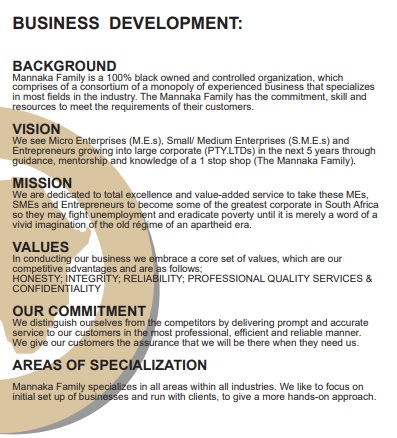
Business Profile Template Sample
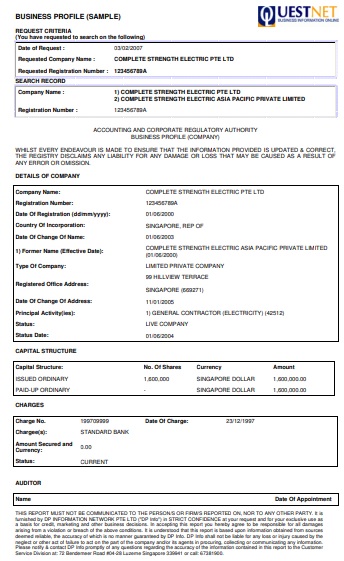
Business Profile Template Word
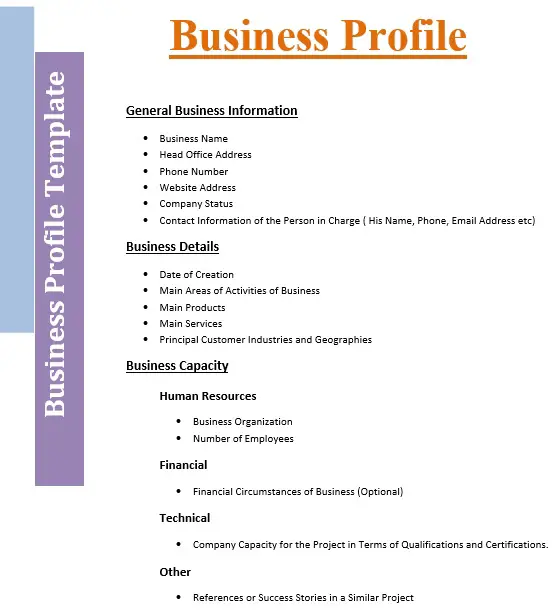
Free Business Profile Template
Furniture Manufacturing Company Profile Template
Information Technology Business Profile Template

IT Services Company Profile Template
Best Practices for Making Your Business Profile More Effective
A business profile should do more than fill space on a website. It should help your audience trust you faster.
Keep it concise but complete
You do not need five pages of company history unless your audience specifically needs that. Most businesses do well with a profile between 300 and 800 words, depending on where it will be used.
Match the format to the platform
A website profile can be slightly longer and more conversational. A brochure profile may need to be shorter. A LinkedIn company description should be compact and keyword-focused.
Add proof whenever possible
Testimonials, numbers, awards, client logos, and years of experience can make your profile feel more credible.
Where You Can Use a Business Profile
One of the best things about having a polished business profile is that you can use it almost everywhere.
You can place it on:
- Your website’s About page
- Business proposals
- Company brochures
- Investor presentations
- Social media business pages
- LinkedIn company profile
- Email introductions
- Partnership decks
- Business directories
- Press kits
Once written properly, one good profile can save you a lot of time.
Conclusion
In conclusion, a business profile template is an effective tool that enables you to create an organized profile of your business. You should create it in such a way that it has a professional appearance. Make it in a way that is formal and professional. You should make sure that the information has been delivered to the appropriate targets during writing a company profile.
FAQs:
How do I write a business profile for my company?
Start with your business name, location, and what you do. Then add your company story, mission, services, ideal customers, and what makes your business different. Keep the writing clear, specific, and easy to read.
What is the difference between a business profile and a business plan?
A business profile introduces the company to customers, clients, or partners. A business plan is a detailed internal or investor document focused on goals, operations, financials, and strategy.
How long should a business profile be?
A business profile can be as short as 150 to 300 words for directories or social platforms, or 500 to 800 words for websites, proposals, and brochures. The right length depends on where you plan to use it.
Can a small business use a business profile template?
Yes, and small businesses often benefit the most from it. A good profile helps a small business look more organized, credible, and trustworthy, especially when competing with larger brands.
Can I use the same business profile on my website and social media?
You can use the same core message, but it is best to adjust the length and tone for each platform. Your website can hold a fuller profile, while social media versions should be shorter and more direct.
What makes a business profile stand out?
A business profile stands out when it is specific, honest, well-structured, and customer-focused. Real details, clear positioning, and a human tone make it much more memorable than generic marketing language.
You May also Like
 Printable Audit Report Templates Free (Word, PDF)
 Unlock Your Creativity with a Professional Graph Template (Excel, Word, PDF)
- Free Social Media Manager Resume Templates (Word)
- Printable One Sheet Templates for Business, Music & Event (Word / PDF)
- Free Printable Non-Compete Agreement Templates (Word / PDF)
- Scholarship Thank You Letters & Examples (Word, PDF)