
The drivers use a driver’s daily log book template to monitor and document the daily trips and activities that they do. Bus drivers, train drivers, company drivers, and taxi drivers commonly use this document. They use this document to record everything that they are doing in order to make sure that they’re doing their jobs well.
Table of Contents
What Is a Driver’s Daily Log Book Template?
A driver’s daily log book template is a structured record used by drivers to document their activities during a working day. Depending on the type of driving work involved, it may include driving hours, duty status, route details, mileage, deliveries, vehicle inspections, fuel usage, breaks, and other operational information.
Instead of writing everything in a notebook without any consistent format, the template provides organized sections that can be completed each day.
For example, a driver may need to record:
- Date
- Driver name
- Vehicle number
- Starting location
- Destination
- Start time
- End time
- Driving hours
- Rest periods
- Beginning odometer reading
- Ending odometer reading
- Total mileage
- Fuel purchased
- Delivery or pickup details
- Vehicle inspection information
- Comments or incidents
When all of this information is kept in one place, it becomes easier to review a driver’s working day later.
For fleet businesses, these records can also help management understand how vehicles and drivers are being used.
Why a Driver’s Daily Log Book Is Important
At first glance, a driving log may seem like basic paperwork. However, a properly maintained log book can provide valuable information about both the driver and the vehicle.
One of the biggest advantages is accountability.
When every trip is documented, it becomes much easier to answer questions such as:
- Where did the vehicle travel?
- How many miles were driven?
- How many hours did the driver work?
- When did the driver take a break?
- How much fuel was used?
- Were there any problems with the vehicle?
- Was a particular delivery completed?
Instead of relying on memory, the answers are already recorded.
I think this is especially useful for drivers who handle several deliveries or routes during the same day. After a few days, it can become surprisingly difficult to remember exact times, locations, and mileage figures.
What to include on a drivers daily log?
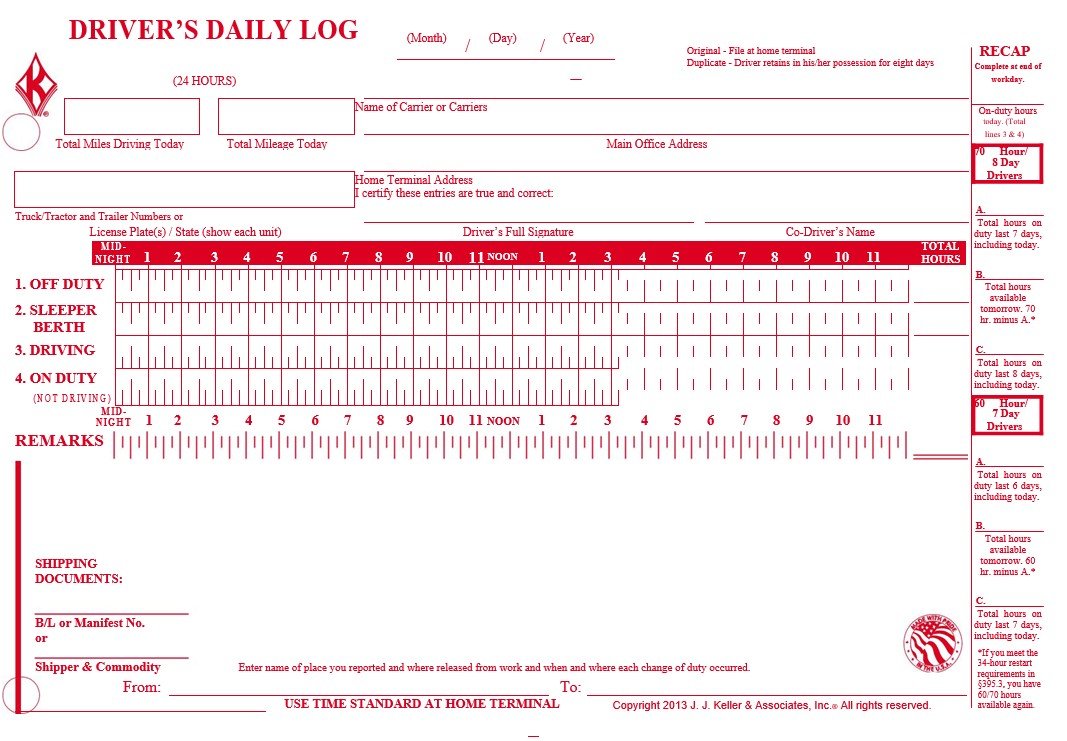
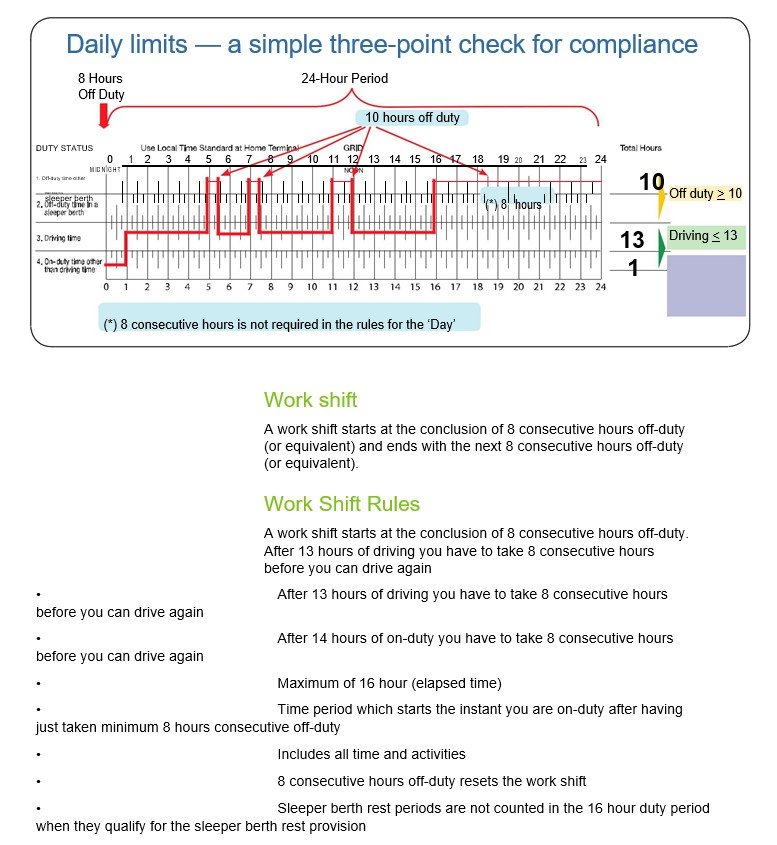
A driver’s daily log typically includes four major parts having 24 boxes. Every box represents the number of hours in a day. The shifts of drivers are represented by four sections that are;
- On-duty (not on the road)
- Driving
- Sleeper
- Off-duty
You have to draw a line across the hours in the proper section while filling up the driver log sheet. This represents your shift for that day. A driver’s log book template also contains for the following;
- The name of the driver
- The employee number
- Tractor numbers
- Shipping numbers
- How many hours the driver worked
Who Can Use a Driver’s Daily Log Book Template?
A daily driving log can be adapted for many transportation-related jobs.
Truck Drivers
Truck drivers can use the log to record driving hours, duty periods, trip mileage, load information, stops, rest periods, fuel purchases, and vehicle inspections.
Delivery Drivers
Delivery drivers may focus more on delivery addresses, arrival times, departure times, package numbers, mileage, and completed deliveries.
Taxi and Ride Service Drivers
Taxi drivers and private-hire drivers can record daily mileage, passenger trips, working hours, income, fuel expenses, and locations.
Bus Drivers
Bus drivers may use a daily log to track routes, departure times, passenger routes, vehicle numbers, mileage, and inspection information.
Fleet Drivers
Companies operating service vans, sales vehicles, maintenance vehicles, or company cars can use driver logs to track vehicle usage.
Construction and Equipment Transport Drivers
Drivers transporting construction materials or machinery can document job sites, load details, mileage, working hours, and vehicle conditions.
Independent Owner-Operators
An owner-operator may use a log not only for driving records but also for tracking fuel expenses, tolls, mileage, maintenance observations, and business-related trip information.
How to complete the driver’s daily log?
Without enough rest, drivers should never handle vehicles as it can be a very dangerous thing. Federal laws state that tired drivers to stay off the road as a matter of fact. It is the responsibility of Federal Motor Carrier Safety Administration to make sure that drivers follow these rules by recording their daily activity on a driver’s daily log.
Here are the steps to follow if you want to use the log properly;
Before you start driving
Layouts of a drivers log book template may vary as long as they all include the necessary details. You should start filling out the form even before you start driving. Include the basic details like the name and address of your motor carrier, the number of your truck, any shipping documents and details.
While you’re driving
We have stated above that logs have grids which span for 24 hours. All of your activities can be documented appropriately. To document these activities from the start of your shift to the end, use the log’s grid.
For example, your shift starts at 9 in the morning. Draw a line from 12:00 midnight to the time you start your shift at the off-duty section. For your pre-trip inspection, assign at least half an hour before the time of your departure. You have to assign this time as it is considered as “on duty but not driving.”
Draw the line from 12:00 midnight to 8:30 in the morning to indicate this time. After that, create another line starting from that time all the way to 9:00 in the morning. Before you start driving, the 30-minute mark acts as an indication of the inspection time. Then, on the “driving” section, make another line to show the amount of time that you require to drive all the way to your first stop.
Take a break from driving
Make another line from the driving section to the “off-duty” section as soon as you take a break from your driving. Specify how much time you spent on your break. Always record all the activities you do is the important thing that you have to keep in mind. This way, you make sure that everything you do is in writing.
Filling in all of the details
You can write down statements in the remarks section. These statements describes all of the activities you have done and where you were every time you changed your activity. You should make sure to show the town or city and the state you’re in. After that, mention the nearest landmark to make sure the accuracy of your statement.
Tallying
You should come up with a tally after your shift to indicate how much time you had spent on all the different activities. Note down the total number of hours and ensure that they all add up to one entire day. Then, the total number of miles you had driven for the whole shift, write them down.
Filling out driver’s daily log:
It is of the utmost importance to fill out a driver’s daily log properly. According to most company policies and federal law state, truck drivers must fill out the truck driver log book template. It is similar for other types of drivers from different companies.
Furthermore, it is extremely important to fill out the driver’s daily log. It doesn’t matter, how busy you are, you shouldn’t forget to fill in the necessary details on the document. Even though the logs aren’t checked daily, when the Department of Transportation or DOT performs inspections, you will have to answer for any lapses. Here are some tips that will help you out for filling out the driver log sheet;
- Specify the complete corporate address of your company.
- The home where the dispatcher issues from, write down its terminal address.
- Mention the hours that you’ve spent on your shift.
- Write down the odometer reading and your total distance driven at the end of your shift.
- Make sure to document any accidents or breakdowns that occur. In addition, mention the details regarding the state and the city where these incidents took place. When describing the events in the document, you have to write the terms “accident” or “breakdown.”
- Write down the names of the cities completely rather than using abbreviations. But, you may use abbreviations in case of states.
- Make sure to list all of the vehicles on the log in case you’re in charge of driving several vehicles in a day.
- Write in legible writing and affix your signatures.
You should finalize your log appropriately at the end of each day and before submission, prepare it. You have to turn in your drivers log book template within 13 days to your own motor carrier as per the federal law.
Things to avoid while filling out a drivers daily log:
Try to fill out the driver log sheet accurately and completely. For a lot of reasons, this is essential not just for the sake of your salary completion. Avoid the following things while writing down information on the log;
- Never write an incorrect or incomplete address. Make sure that you are writing down the correct address whether it is the corporate address or the home terminal address. Ask your superiors in case you’re not sure of the complete address.
- Not showing all of the necessary shipping document. You must always show any documentation that is involved while transportation process. The load’s Manifest Number, the bill of lading, the commodity and the shipper, and more are some examples of document-related information.
- Not indicating the name of the city where you came from and where you went. On the remarks section of the log, you write this information.
Sometimes you may get the log back with comments for corrections. Generally, you just have to do correction of minor errors. But, you may have to explain to your superior in case something on your log doesn’t add up.
Some drivers aren’t honest. They choose to falsify the information when they forget to fill out their log so they won’t get into trouble. You will get into a lot more trouble when you falsify documents rather than accepting that you forgot to fill the logbook at a specific date.
For the personal gain, some drivers may purposely input inaccurate information on their logs. Drivers who get paid by the mile, this may happen to them. This indicates that while driving the more miles they cover, the more money they earn.
Additionally, trucking companies push the drivers to work more and more as they need to meet very strict deadlines. But, instead of putting the work in, some drivers falsify the records and give wrong information. It is the responsibility of the company to check the logs properly in order to ensure that they include accurate information.
How long should you keep drivers daily log books?
You might start wondering how long you should keep drivers daily log books as time goes by and records start piling up. The amount of time needed to keep records based on the type of document as per the DOT.
Under the category of “Driver Maintenance and Performance Reports,” a driver log sheet falls. This category has documents that include details regarding the maintenance and performance of the drivers and after each shift, their vehicles. For at least three months from the date when the driver prepared the report, companies should file and store such reports. Surely, it is better to keep the documents for a longer time, particularly in case you have the space for the files at the office.
Benefits of Using a Consistent Driver Log Template
Using the same log format every day offers several practical benefits.
Better Record Organization
Every record contains the same categories of information.
Easier Mileage Tracking
Beginning and ending odometer readings provide a simple method for calculating total distance.
Improved Vehicle Monitoring
Inspection notes can reveal recurring maintenance problems.
Better Route Analysis
Trip times and locations can help identify inefficient routes.
Clearer Communication
Managers can review documented information rather than relying only on verbal explanations.
Easier Expense Tracking
Fuel, tolls, parking, and other trip-related costs can be recorded alongside driving activity.
More Accurate Reporting
Daily records make weekly and monthly reports easier to prepare.
driver daily log template
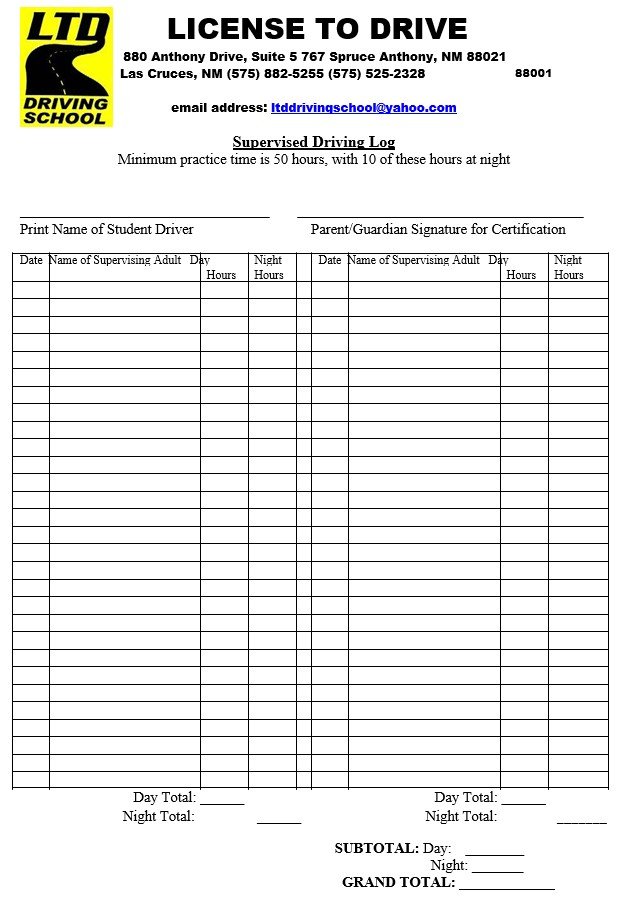
supervised driving log template
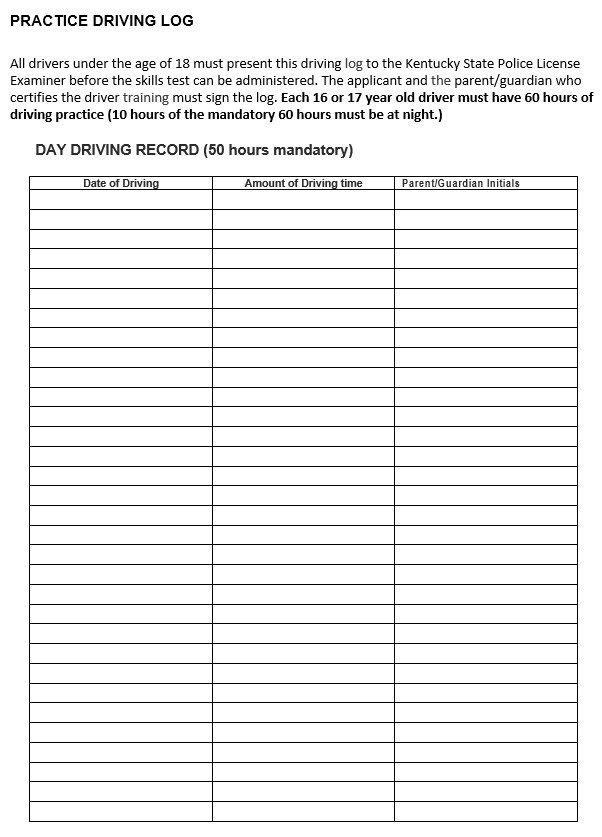
practice driving log template
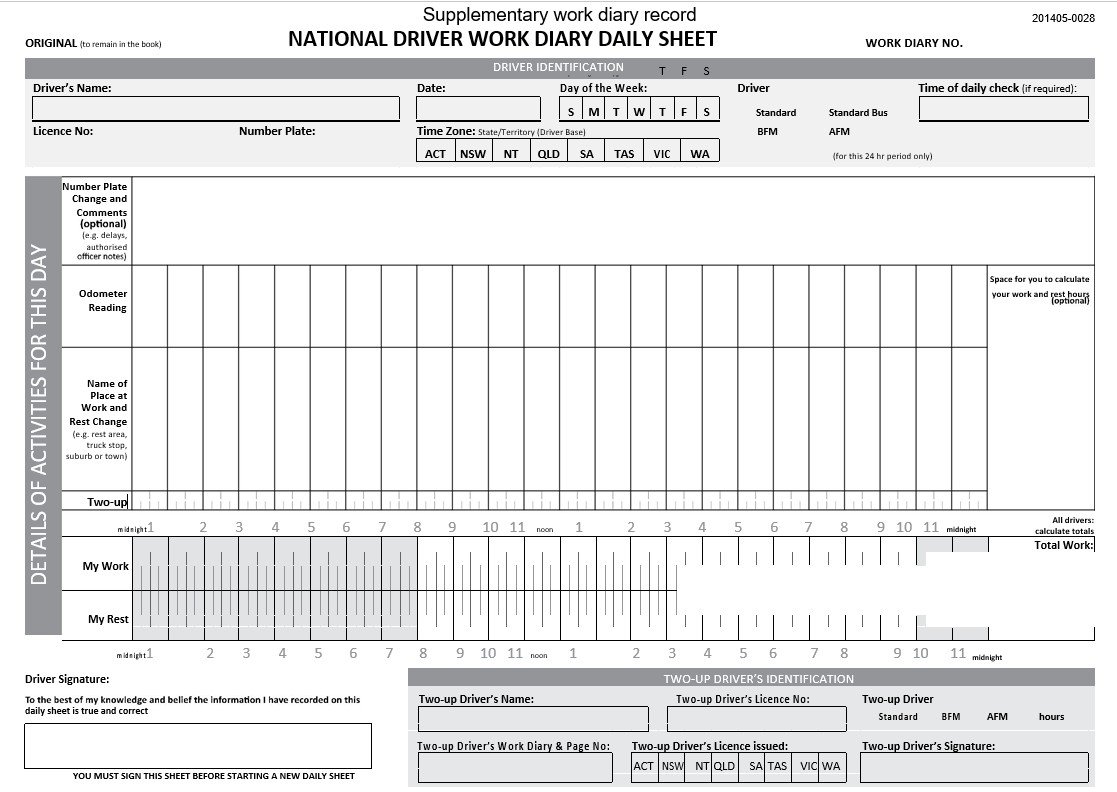
national driver work diary daily sheet
Michigan supervised driving log template
free driver’s daily log book template
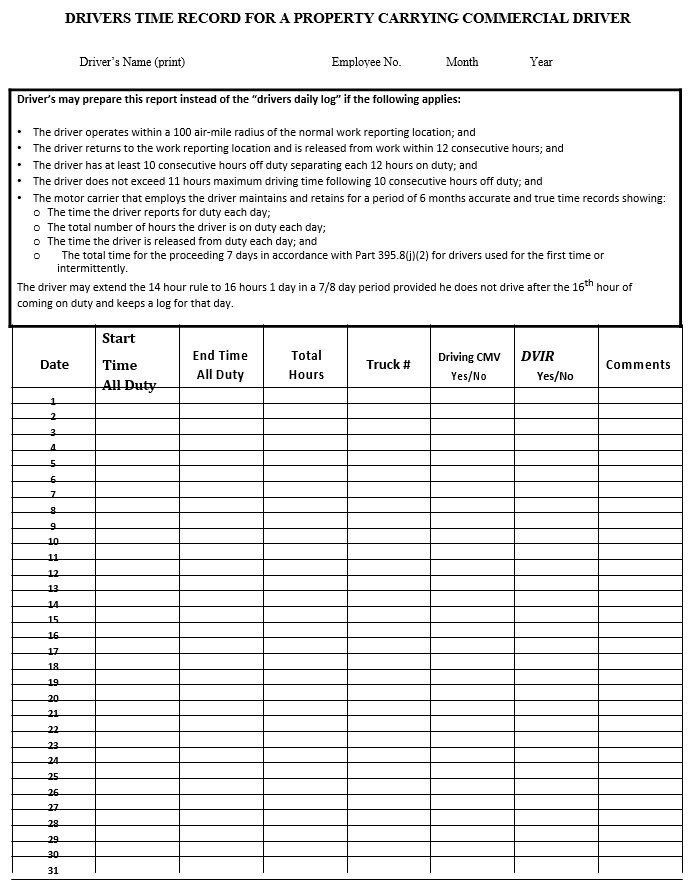
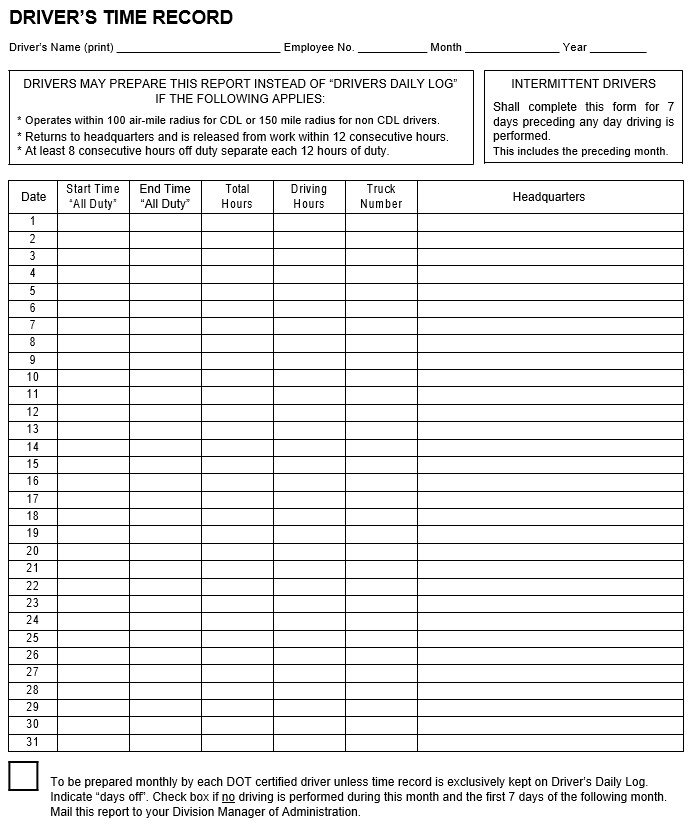
drivers time record for a property carrying commercial driver
driver’s daily log book template
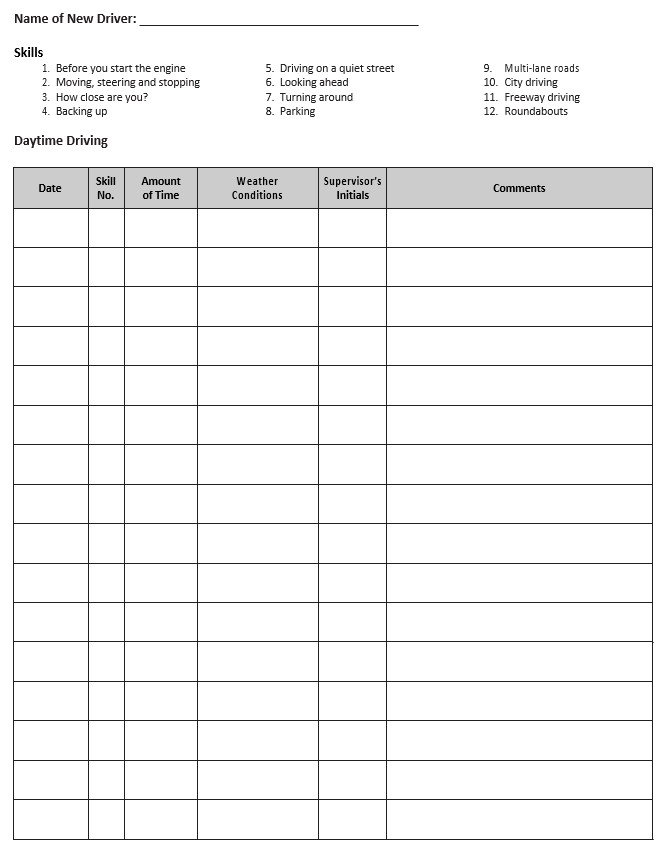
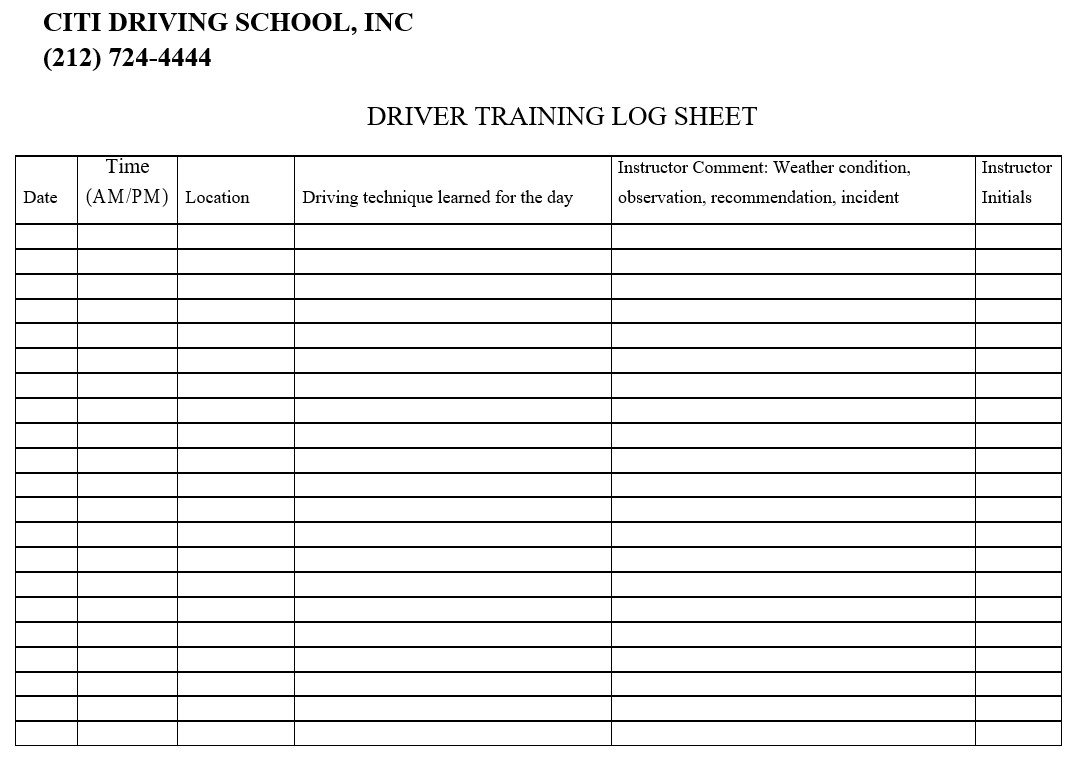
driver training log sheet
driver time record sheet
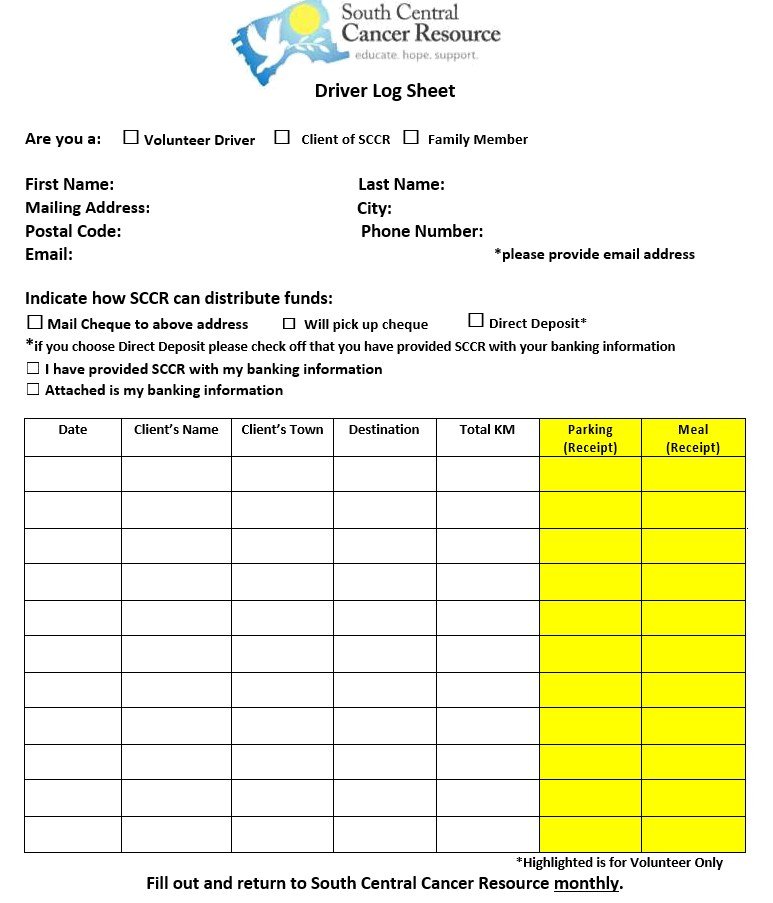
driver log sheet template
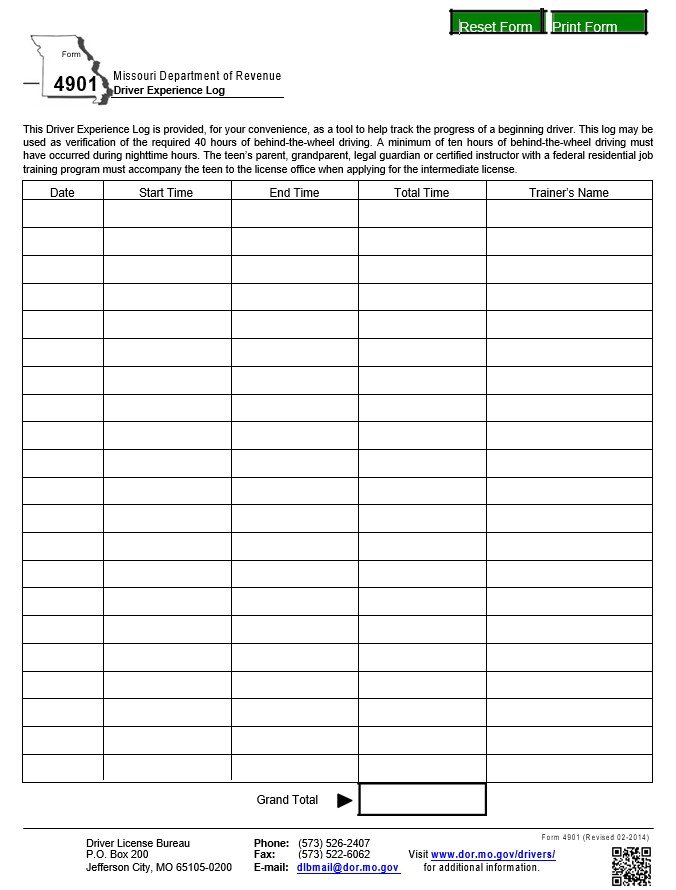
driver experience log template
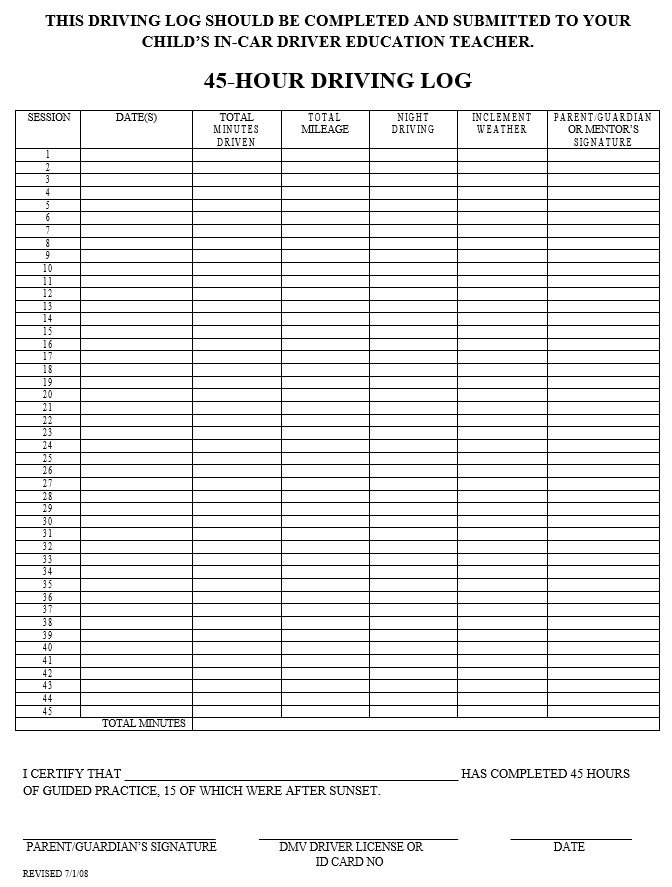
45 hour driving log book template
Final Thoughts
A Driver’s daily Log Book template may look like a simple administrative document, but it can play an important role in organizing daily transportation activities.
When designed properly, the log gives drivers a clear place to record their hours, mileage, trips, fuel stops, deliveries, inspections, and notes. It can also give fleet managers valuable information about route performance, vehicle usage, fuel consumption, and driver activity.
My preference is always to keep the template practical. Include the information that matters, remove fields that are rarely used, and make sure the layout is easy to complete during a busy working day.
A driver who records information accurately every day creates a reliable history of both the vehicle and the work performed. Over time, those daily records can support better scheduling, clearer reporting, improved vehicle maintenance, more accurate mileage tracking, and a much more organized transportation operation.
If you are creating your own Driver’s daily Log Book template, start with the basic sections—driver details, vehicle information, mileage, time, trip activity, fuel, inspections, and notes. From there, customize the form to match the exact needs of your drivers or fleet.

![Letter of Authorization from property Owner [Word, PDF]](https://exceltmp.com/wp-content/uploads/2021/08/registered-property-owner-authorization-letter-150x150.jpg)