A recipe book is more than a collection of cooking instructions. It can preserve family traditions, organize everyday meals, document personal experiments, and turn scattered notes into something meaningful. I have often found recipes written on loose pieces of paper, saved in phone screenshots, bookmarked on different websites, or hidden inside old messages. The problem is not finding recipes. The real problem is keeping them organized.
That is where a well-designed recipe book template becomes useful.
A recipe book template gives every recipe a consistent structure. Instead of deciding where to place the ingredients, preparation time, cooking instructions, serving details, and notes each time, you can simply fill in the available sections. This saves time and makes the finished recipe book easier to read, update, print, and share.
Table of Contents
What Is a Recipe Book Template?
A recipe book template is a pre-designed layout used to record, organize, and present recipes in a consistent format. It usually contains dedicated spaces for the recipe title, ingredients, cooking instructions, preparation time, serving size, images, notes, and other useful details.
Instead of creating every page from the beginning, you work with an established structure. You can duplicate the template for each new recipe and replace the sample information with your own content.
Recipe book templates can be created in many formats, including:
- Microsoft Word
- Google Docs
- Canva
- Adobe InDesign
- PowerPoint
- Excel or Google Sheets
- Printable paper pages
- Digital planners and note-taking applications
The best format depends on how you plan to use your book. A printable family cookbook may work perfectly in Word or Canva, while a professionally published cookbook may require Adobe InDesign. A digital recipe organizer might be easier to manage in Google Docs, Notion, or a fillable PDF.
Why I Prefer Using a Recipe Book Template
I used to think a blank document offered more creative freedom. In reality, it often slowed me down. I spent too much time adjusting headings, changing spacing, moving ingredient lists, and trying to make different pages look connected.
A recipe book template removes many of those small design decisions.
Once the basic layout is ready, I can focus on the actual recipe. I do not have to redesign the page every time I add a new dish. The title remains in the same place, the ingredients follow the same format, and the instructions are easy to scan.
Using a template also helps prevent missing information. When sections for preparation time, cooking time, temperature, yield, storage, and substitutions are already included, I am more likely to complete them.
This structure is especially helpful when creating a large cookbook. Ten individually designed pages may look interesting, but one hundred inconsistent pages can become confusing. A template creates visual order without making the book feel boring.
Who Can Use a Recipe Book Template?
A recipe book template is useful for almost anyone who records or shares food recipes.
Home Cooks
Home cooks can use templates to organize frequently prepared meals. Instead of searching through social media posts or handwritten notes, every recipe can be stored in one reliable place.
Families
Families can preserve recipes that have been passed down through generations. A thoughtful family recipe book can become a personal keepsake containing not only ingredients and instructions but also memories, photographs, and stories.
Food Bloggers
Food bloggers can use a consistent recipe template to plan content before publishing it online. It can also help them create printable recipe cards, lead magnets, eBooks, or subscriber downloads.
Professional Chefs
Chefs can document recipes with precise measurements, yields, preparation procedures, plating notes, and ingredient costs. A structured template can support kitchen consistency and staff training.
Small Food Businesses
Bakeries, catering companies, meal-preparation businesses, and restaurants can use recipe templates to standardize production. Clear documentation helps maintain quality when multiple people prepare the same item.
Teachers and Students
Culinary schools, home economics classes, and cooking workshops can use templates for assignments, practical demonstrations, and recipe development exercises.
Digital Product Sellers
Designers can create printable recipe book templates, editable cookbook pages, kitchen planners, and recipe card bundles for online marketplaces. A professionally designed template can become a useful digital product for customers who want an easy way to build their own cookbook.
What elements should be included in a recipe book template?
Include the following elements in your recipe book template;
Recipe title
As we know that title always appear at the top of the template. Since your main objective is to attract the book user so your title must be descriptive and tantalizing. Use right adjectives in your title and make it unique so that the reader encourages to make the dish or treat.
Photograph of recipe
Likewise title, photograph of recipe is another most important element of your recipe book. You can insert the picture of your choice in case you are making the book for yourself. In case, you are putting a book together for the purpose of publishing then you must consider your audience and follow some guidelines. In order to qualify for publication, make sure that size of the image, pixilation, and quality will have to convert from digital to print form effectively.
Ingredients list
The ingredient list is also one of the most important sections on a recipe template. Instead of organizing the list in alphabetical order, you should make it on the basis of the first ingredients you’ll be using. Also, every ingredient must include the precise quantities and measurements that are consistent and accurate. To indicate measurements of your ingredient’s list, you may use metric, imperial, or both as well as use the accurate abbreviations throughout the work. Furthermore, you must maintain consistency while making recipe book template in order to make the book work flow better.
Supplies list
Your recipe book must contain a separate area for supplies list. The supplies list contain utensils and equipment as well as their alternatives that you need to make the recipe. In case, there is a requirement of specific size for supplies then also state it into the supplies list of a recipe book template. Specialty kitchen equipment may also use in some recipes, if you are using them then specify in the supplies list where to find such equipment.
Prep-time
Prep-time is basically a time that a specific recipe takes to cook from start to end. Including prep-time in your recipe book is a nice addition as it informs the users how long it takes to ready the dish. Also, include time it takes to prepare ingredients before the cooking starts. Meal planning become easier by knowing this information.
Yields and nutritional information
If more than a single serving involve in your recipe then specify in this section how much the recipe yields. If you are serving a set number of family members or guests then by doing so, the reader will become able to make sure that they do not make too much or too little. Following sections must be included in case you are writing a diet book or a book in which you are paying special attention on the nutritional value of food;
- The calorie content
- Carbohydrates
- Vitamins
- Minerals
- Other nutritional data
Moreover, you can make your recipe book more appeal to a larger target audience by providing nutritional alternatives for vegans, the people who are eating gluten-free, or who are diabetic.
Cooking instructions
With this section, the cook will know the proper quantity and right order of all the ingredients. You should write the whole recipe by keeping the end user in mind. In this section, you can also state whether the oven needs to be pre-heated.
You should write the cooking instructions by using the common vocabulary and language that all recipe books use. Also, use an easy to understand language to write measurements, heating instructions, and serving instructions. The universal jargon and cooking instructions that recipe books use can understand by the readers but they can’t understand the local lingo.
Serving instructions
Likewise introduction section, there must be a final section where you give instructions on how to serve the dish. Your suggestion may be to put the dish into the refrigerator for a specified period of time before serving. Provide instructions on how to top of the dish perfectly.
For what situations, you should use a recipe book template?
You should use a recipe book template for the following situations;
- If you want to put together a collection of family recipe
- If someone is looking to organize all the favorite recipes
- In case, you want to make a recipe book as a gift for someone
- In order to make a book that will become a family heirloom later
- If you are looking to submit a recipe book for publishing
- To create a recipe book for a commemorative event or family reunion
Different Types of Recipe Book Templates
Not every cookbook needs the same layout. Choosing the right type of template depends on the purpose of your collection.
Personal Recipe Book Template
A personal recipe book template is designed for everyday use. It can be simple, flexible, and easy to update.
I recommend including space for practical notes because personal recipes often change. You may reduce the sugar, add more seasoning, change the baking time, or discover a better cooking method.
A personal template should make these adjustments easy to record.
Family Recipe Book Template
A family recipe book usually combines food instructions with memories and history.
In addition to the standard recipe information, consider adding:
- Name of the family member
- Origin of the recipe
- Year or time period
- Special occasion
- Personal memory
- Family photograph
- Handwritten note
- Regional or cultural background
These details turn an ordinary cookbook into a family archive.
Printable Recipe Book Template
A printable recipe book template is created for physical use. It should have clear text, balanced margins, and enough writing space.
When designing printable pages, avoid placing important content too close to the edge. Home printers may cut off narrow margins.
It is also helpful to create versions for common paper sizes, such as:
- US Letter
- A4
- A5
- Half Letter
A black-and-white version can reduce ink usage, while a color version may be better for gifts or professional printing.
Digital Recipe Book Template
A digital recipe book is designed for viewing on a computer, tablet, or phone. It may include clickable navigation, internal links, fillable fields, and interactive checkboxes.
A digital template can be more flexible than a printed version because users can search for keywords, duplicate pages, add photographs, and update recipes without reprinting the entire book.
For the best reading experience, use large text, clear buttons, and simple navigation.
Professional Cookbook Template
A professional cookbook template requires stronger visual consistency and more detailed planning.
It may include:
- Editorial page styles
- Standardized typography
- Image guidelines
- Recipe testing notes
- Copyright information
- Author biography
- Table of contents
- Index
- Measurement conversions
- Dietary labels
- Source acknowledgments
Professional cookbooks should be designed with the final publishing method in mind. Print-on-demand services, commercial printers, and eBook platforms may have different size and formatting requirements.
Blank Recipe Book Template
A blank recipe book template provides labeled sections without sample content. It is useful for handwriting, workshops, classroom activities, and printable products.
The key is to provide enough guidance without limiting how the user writes. Generous blank space is often more valuable than decorative elements.
Recipe Card Template
Recipe cards are compact versions of recipe book pages. They are ideal for recipe boxes, kitchen binders, bridal shower gifts, and small collections.
A standard card usually includes the recipe name, ingredients, instructions, serving size, and notes. Since space is limited, the layout must be especially clear.
How recipe book template is different from cookbook template?
A recipe book template acts as guide in order to write a single recipe. On the other hand, a cookbook template is used to plan a whole body of work containing multiple recipes. The template for a cookbook contains segments of the work from starting to end. The recipe book template is just for a single recipe.
For every recipe or cookbook creator, the objective of sharing one or several recipes is always the same. However, following summary of recipe components should be included;
- A list of ingredients
- A list of supplies
- Details about prep time
- Each recipe’s introduction
- Cooking instructions
- Special hints or tips
Final Thoughts
A recipe book template turns a collection of scattered recipes into an organized and lasting resource. It saves time, creates consistency, and makes every recipe easier to read and follow.
The most effective template is not necessarily the most decorative one. It is the template that supports the way you cook, record information, and share food with other people.
Start with the essential sections: title, description, preparation time, cooking time, servings, ingredients, instructions, notes, and storage information. Once that foundation is working, you can add photographs, family stories, conversion charts, indexes, meal-planning pages, and decorative details.
Your recipe book does not have to be perfect from the beginning. Recipes naturally evolve, and the collection can grow with them. A flexible template gives you the freedom to add new dishes, improve old instructions, and preserve the small details that might otherwise be forgotten.
Whether you are creating a private kitchen binder, a family keepsake, a printable cookbook, or a digital product, a thoughtfully designed recipe book template can help transform everyday cooking knowledge into something useful, beautiful, and worth keeping.
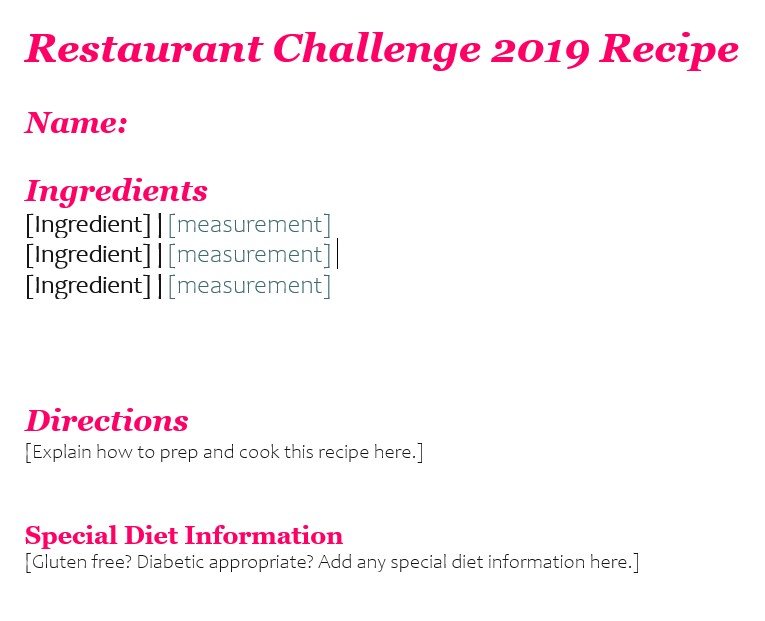
restaurant challenge recipe template
recipe card template
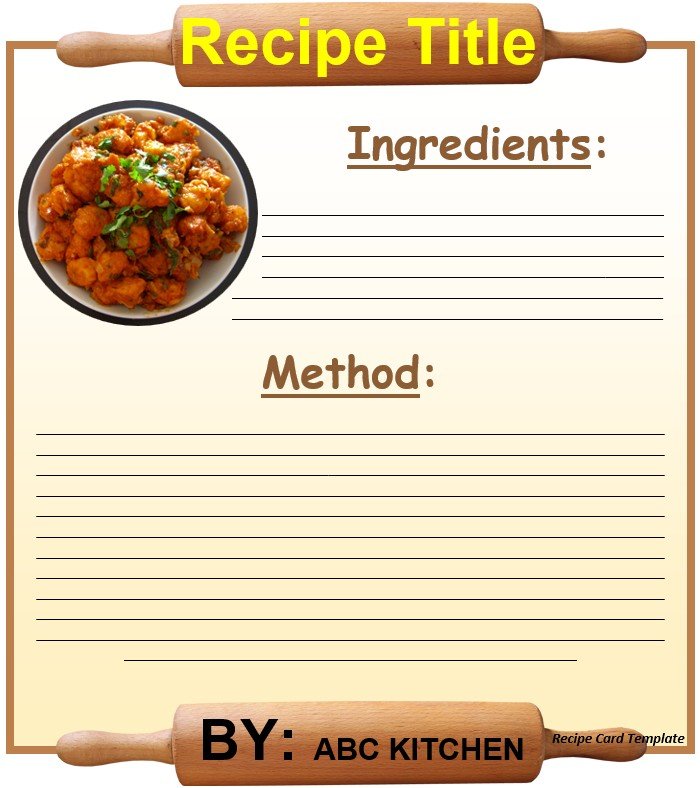
recipe card template free editable
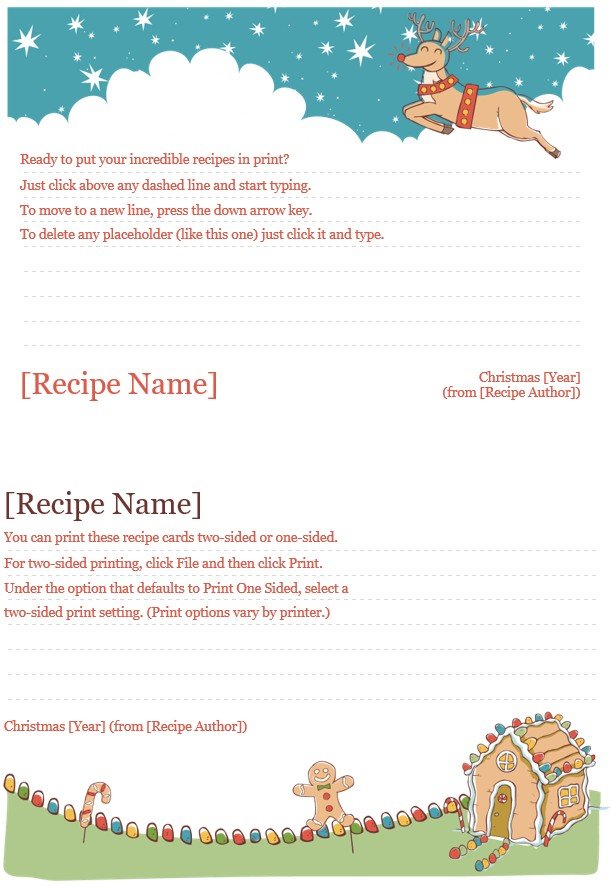
recipe book template
recipe book template word
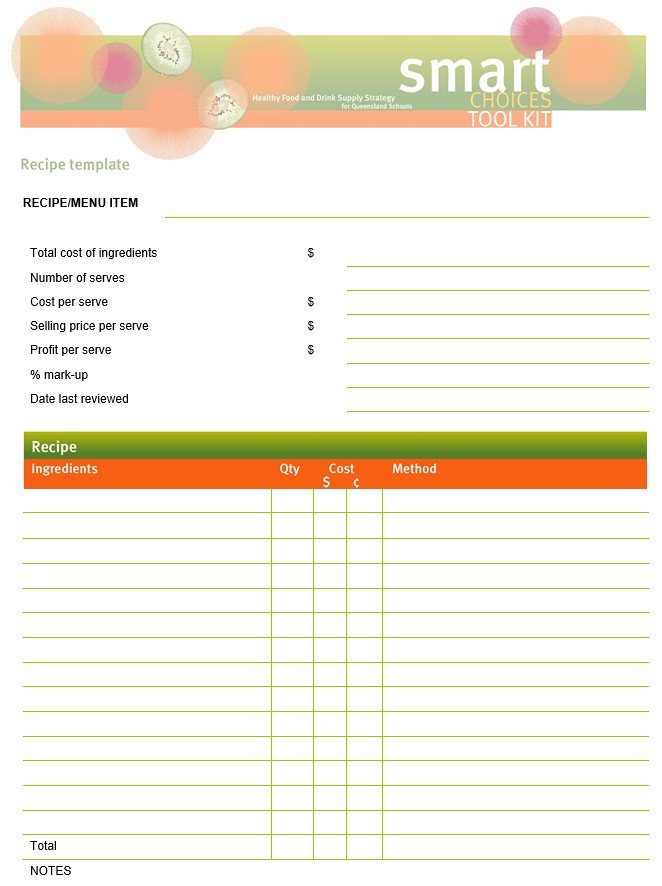
recipe book template word free download
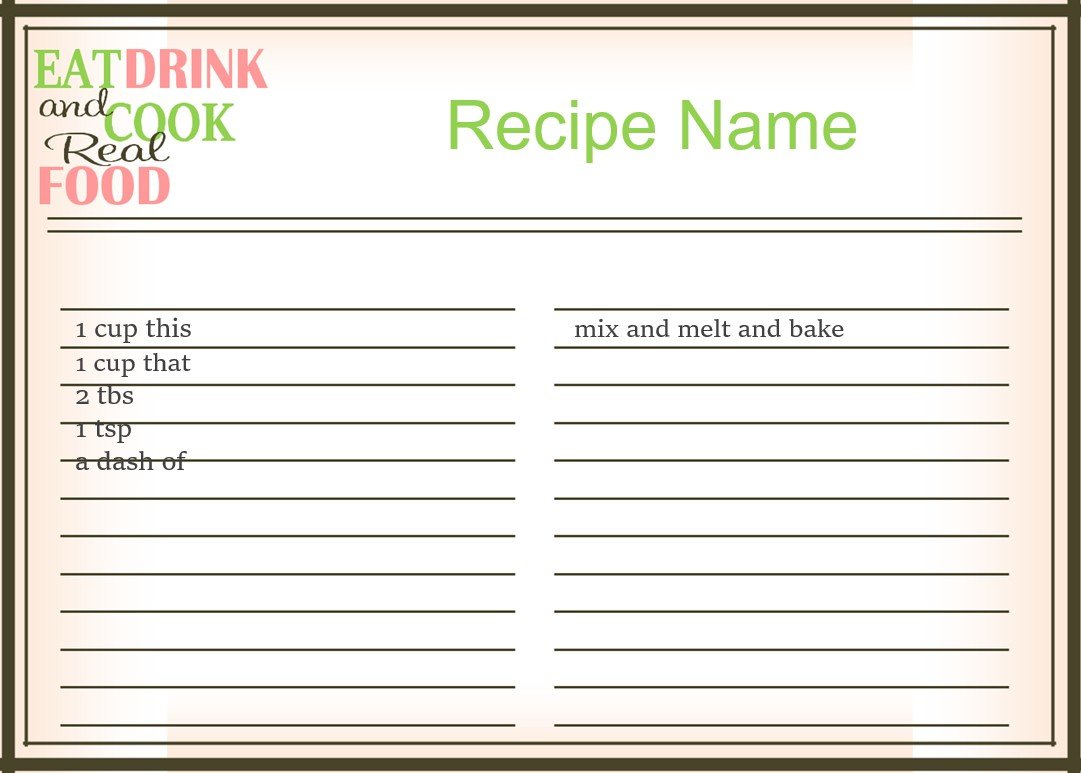
printable recipe book template
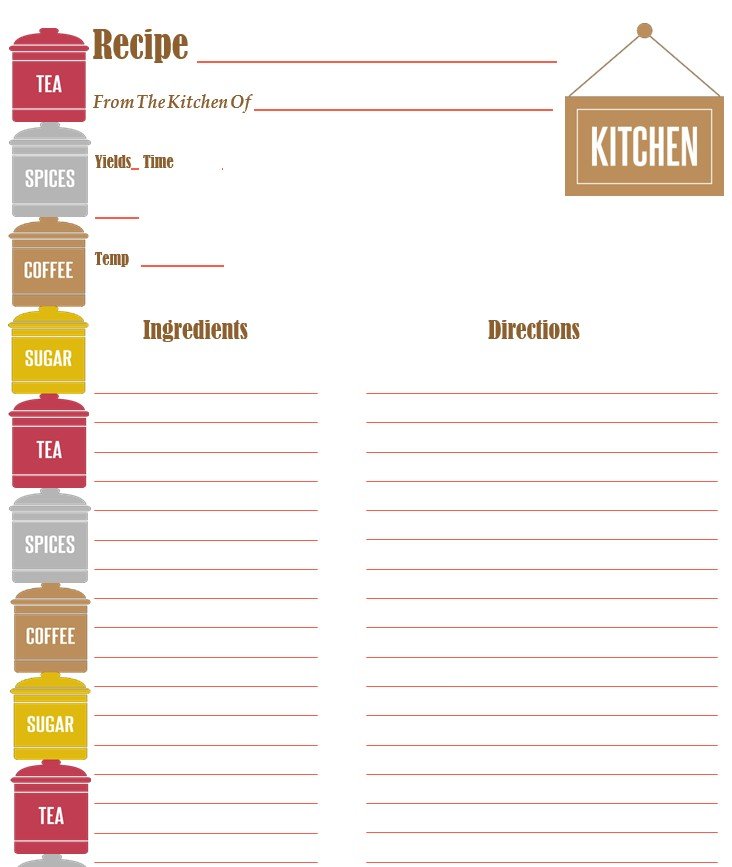
free recipe book template
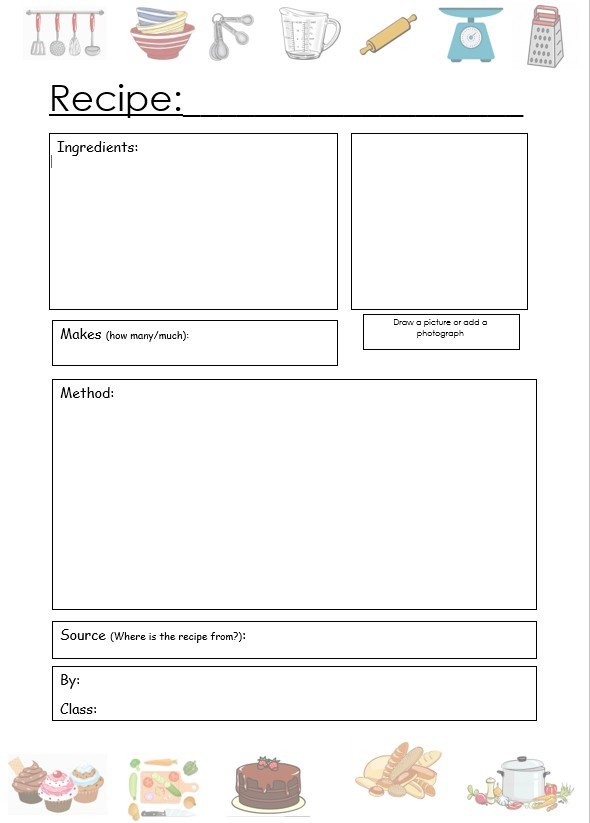
create recipe cards with column
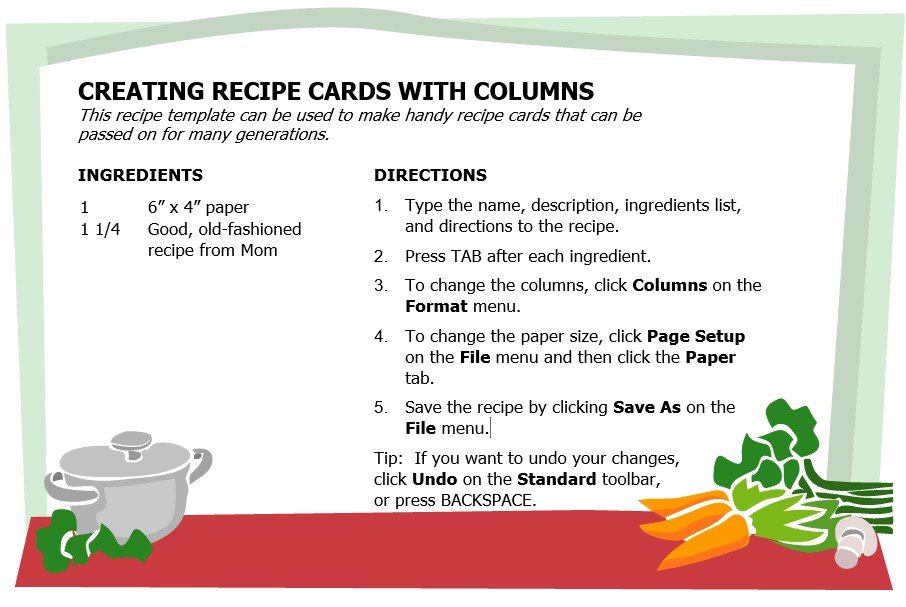
Frequently Asked Questions About Recipe Book Templates:
What Is the Best Program for Creating a Recipe Book?
Canva is often the easiest option for beginners because it provides drag-and-drop editing and simple image placement. Microsoft Word and Google Docs are useful for text-focused cookbooks. Adobe InDesign is better suited to professional publishing and complex page layouts.
The best program is the one that matches your technical skills and final publishing method.
What Size Should a Recipe Book Be?
Popular recipe book sizes include A4, US Letter, A5, 6 × 9 inches, and 8 × 10 inches.
Larger sizes provide more room for food photography and detailed instructions. Smaller sizes are easier to hold and store. Choose the page size before designing the template so you do not have to rebuild the layout later.
Can I Use a Recipe Book Template for Commercial Purposes?
That depends on the license attached to the template, fonts, photographs, illustrations, and other design elements.
A template labeled for personal use should not automatically be sold or used in a commercial publication. Always review the licensing terms before distributing or selling the finished book.
Can I Create a Recipe Book Without Design Experience?
Yes. Start with a simple structure and prioritize readability. Use one or two fonts, a limited color palette, clear headings, and consistent spacing.
A clean recipe book is often more effective than an overly complicated design.
You May also Like
 10+ Free Sports Registration Form Templates (Excel / Word / PDF)
- Free Colorado LLC Operating Agreement Template (Word)
- Free Concierge Cover Letters (Samples & Examples)
 Car Sale Invoice Template (Word – Excel – PDF)
- Free Printable Commercial Invoice Templates (Word, Excel, PDF)
- Free South Carolina LLC Operating Agreement Templates (Word / PDF)