A disaster recovery plan template is a document contains a backup plan that is created in order to retrieve the IT infrastructure of a business in the event of a disaster. This is why, it is also known as an IT disaster recovery plan. This document has specific steps and procedures set by the company or organization that have to be followed in case any kind of disaster happens.
Furthermore, disasters can be categorized into environmental (natural) or man-made. Without prior knowledge or warning, natural disasters occur at any time. On the other hand, man-made disaster can be either intentional or unintentional.
These days, companies and organizations make use of digital files and information technology to run operations in the workplace. So, it is very essential to create concrete plans on how to safeguard and recover information that might be lost when a disaster strikes. In fact, disasters cannot be prevented completely even with a lot of planning and security measures. Therefore, organizations make a disaster recovery plan to minimize the effects of the disasters.
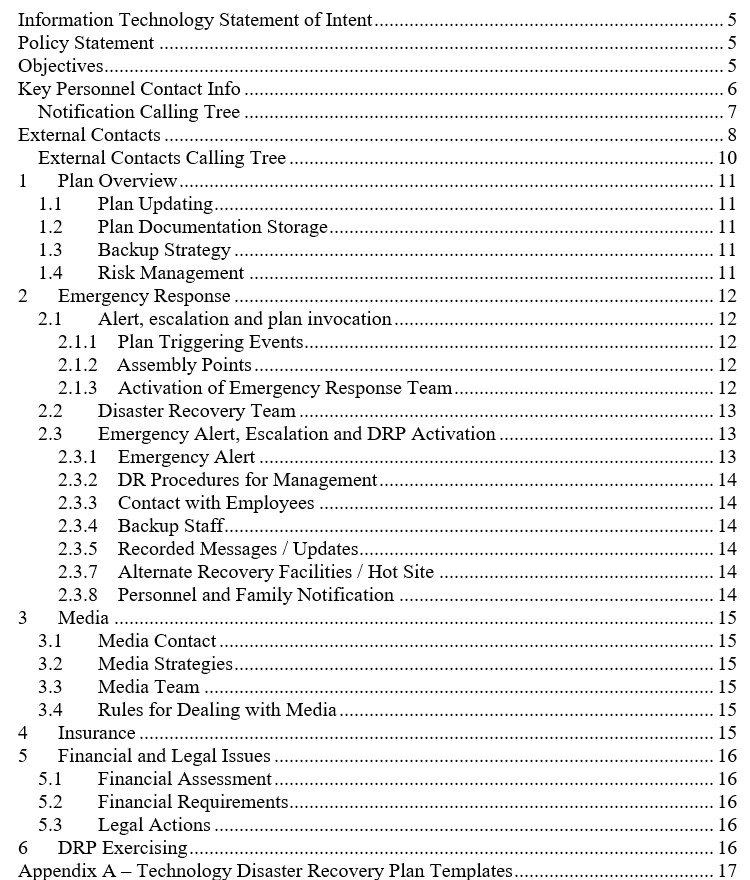
Table of Contents
The different types of disaster recovery plans:
Let us discuss the different types of disaster recovery plans;
Disaster recovery plan with satisfactory backup procedures
Organizations should back up any data they have on their computers so that they have copies of all their data in case the main system crashes or get corrupted. They would also load the data on new or fixed computers even if the hardware or software is lost.
Disaster recovery plan with no concrete resources
You may have not the required sources to put the disaster recovery plan into action. At least, planning is the first step that you have done. To recover from the effects of a disaster without resources, you still require a lot of time.
Disaster recovery plan with a Cold Site
In the data center, this type of disaster recovery plan has a specific area. This plan comes in handy when you have to set up new equipment to resolve any issues.
Disaster recovery plan with a Split Site
You can assign a split site to an organization whose IT department will be able to operate in more than one place. Since you will be allowed to continue with operations from the alternate site so you won’t skip a beat in case a disaster happens in one of the locations.
Disaster recovery plan with a Hot Site
A place where all data and IT systems are duplicated and updated on another venue is known as a hot site. These kinds of sites are available in bigger organizations so that they can recover and continue operations in no time at all in the event of a disaster.
The elements and structure of a disaster recovery plan:
- A disaster recovery plan begins with a few pages. It contains a summary of the most essential steps to follow and a list of key people along with their contact information.
- The introduction must contain the entire scope and the purpose of your plan. Also, it should determine the following;
1- Who had approved of the plan
2- Who has the authority to initiate the plan
3- A list of references to other essential documentation and plans - Specify after the introduction the responsibilities and roles that should be followed. Mention the members of the disaster recovery team and their contact details.
- The right people should be able to make an assessment of the situation and damages once a disaster occurs. Also, they have control over the incident and let the management know immediately.
- Next, list down all the processes involved in the activation of the plan. In this section of the plan, you should establish the following;
1- Any and all criteria for commencing the plan
2- What materials or data are needed
3- Who is in charge of making decisions - In the next section, specify the dates when the documentation has been done and when the plan was revised. On the very first page of the document, you can place this part.
- Defining all the procedures and policies in full detail clearly is the most important part. Your plan would not be very efficient without this part. This is because it is the main element of the plan which tells you what has to be done when disaster strikes.
- Finally, include appendixes in your plan. This may include inventories of everything you have, agreements, contracts, and supplier contact information.
How to make your own disaster recovery plan?
Here are the steps that will help you out in making your own disaster recovery plan;
Start with the basics
Your plan should be a very detailed document. It should have all the details of what have to be done in the event of a disaster. You may require some form of investment when you make your plan. This assists you in launching it so that you don’t end up breaking down when disaster occurs only due to don’t having any sort of back-up plan.
Learn regarding potential threats and outcomes
In creating a good plan, a key element is to learn about the different threats your organization may come across with in the future. You should also learn regarding the threats that would affect your organization either on a daily basis or looking at it long term. However, minor disasters can be solves easily as compared to large scale that would require a lot more work to fix. You have to think long and hard regarding these threats. Then, in the organization, get input from key people so you don’t miss out on anything.
Create plans on how you can prevent, determine, and solve the problems
Along with procedures on how to resolve issue, you must include preventive measures as well. It should include details on how you will identify problems. This way, you know which strategies and procedures you are to employ. Furthermore, preventive measures are essential. They make you able to stop any undesirable event from happening. Being able to determine problems early would prevent them from worsening.
Speak about issues about loss of data
It would be important to place a section on how to deal with the loss of data as organizations are becoming increasingly dependent on technology. For recovering lost data, you can either have strategies or you can prevent the permanent loss of data. In case one or more of your servers break down, you can back up all your data by producing hard copies or placing them in multiple servers.
Make sure to test your plans
The untested plans are not efficient. As a final step, it is very important to test your plans to identify how effective they are.
Creating an effective disaster recovery plan:
Consider the following steps and tips to make an effective plan;
- Brainstorm with key people in your organization to develop your disaster recovery strategies. These strategies assist you in developing what should be done in the event of a disaster.
- After creating a list of the most critical issues, create a table to organize your information. This enables you to establish strategies that you will employ to safeguard your assets.
- You should consider the following important issues;
1- Company budget
2- When it comes to risks, the position of the management
3- Availability of important resources
4- Human and technological limitations
5- Costs as compared to benefits and obligations - Describes all the procedures and policies that should be followed in the event of a disaster. All these must be approved before sharing them with the rest of the organization.
- Present your plan to the rest of the employees when you’ve gotten approval from the management of your organization. Explain these procedures and allow the employees to ask questions if they are unclear about anything.
The benefits of having a disaster recovery plan:
Let us discuss below the benefits of a disaster recovery plan;
Better management of inventory and assets
You would have to document all your assets and your inventory thoroughly in order to make a good back-up plan. This is highly useful as it makes you aware of any lacking or extra supplies and equipment. It also informs you where everything is placed or where everything is stored. It makes you able to acquire what is lacking and to use your extra supplies while you are running out. This is because you know that you still have supplies on hand.
Superior management of network
Thorough documenting is an essential part of making a back-up plan. By documenting, you will learn everything that you have to know about the network you are managing. Moreover, you will know the ins and outs of how your network operates. It’s beneficial for you to learn everything about your network whether you are dealing with hardware or software.
To make sure redundancy of tasks
In the disaster recovery plan template, a big aspect of the procedures is that you have to make sure a minimum of two people will be able to do or handle a certain task. Doing this makes sure that no matter when a disaster would strike.
Determine where savings can be done
In superior management, the documenting doesn’t end. Also, it can make you able to identify areas where savings can be made, particularly when it comes to upgrading hardware. For example, you can discover that you can begin running various hardware servers on a single equipment instead of multiple physical equipment.
Test out your plan
When you plan earlier and comes up with procedures, it makes you able to test how effective your plan is. You can set a schedule for putting your plan into place. By the end of it, you can assess how well it worked and which areas you can improve on further.
Build and keep your good reputation
After making your disaster recovery plan, test it to check whether it works will be able to help your organization in the long run. In the perspective of your clients and customers, this is especially beneficial as your organization will still be able to function well even if disaster strikes.
Conclusion:
In conclusion, to make a good plan, you should structure your disaster recovery plan template properly. Make your plan by brainstorming with key people in your organization. Also, the best plans have a few pages that include a summary of the most important steps. You have to define all the procedure and policies in detail.
sample disaster recovery plan template word
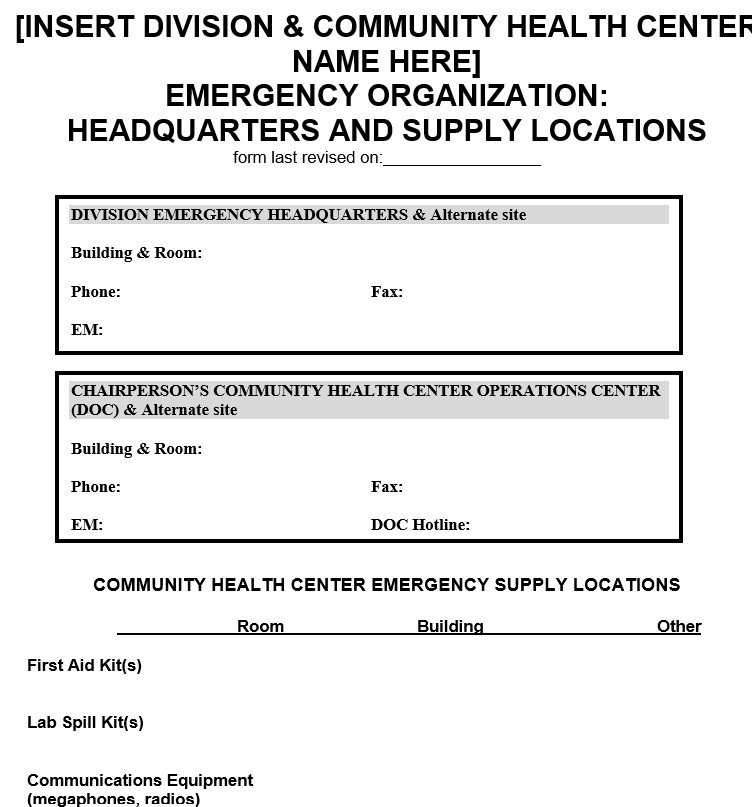
model disaster recovery plan template
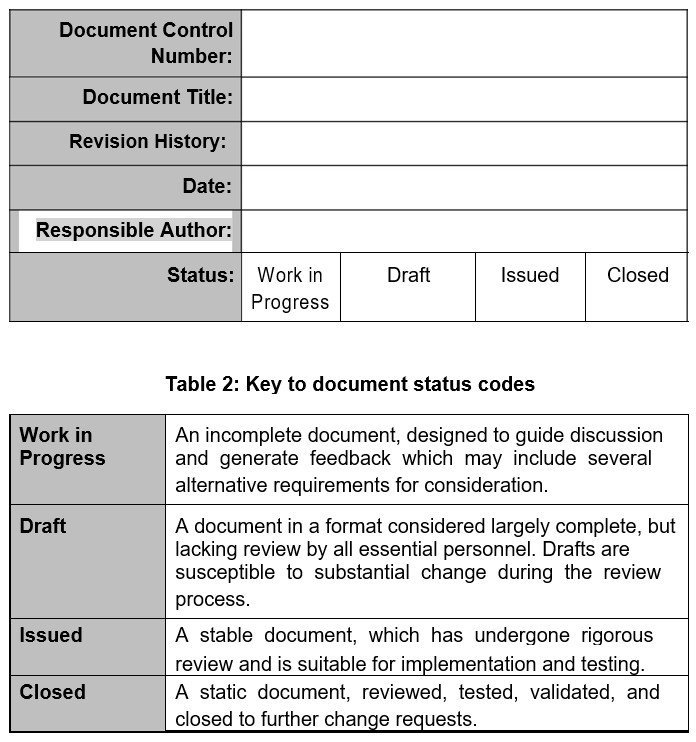
it disaster recovery plan template
DMU business continuity plan template
disaster recovery plan template
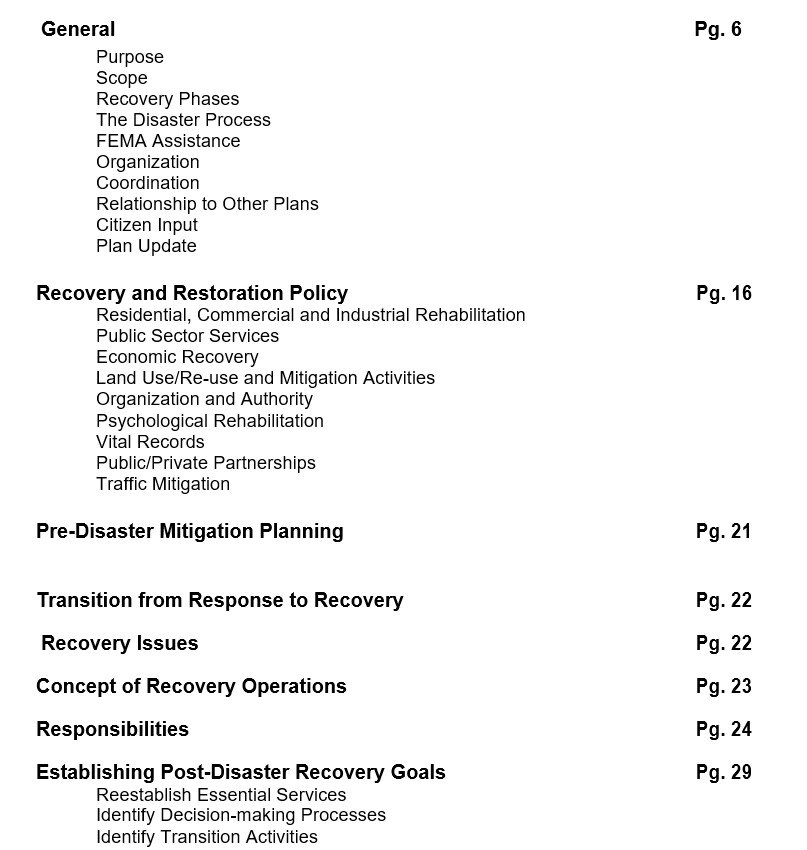
disaster recovery plan template free download
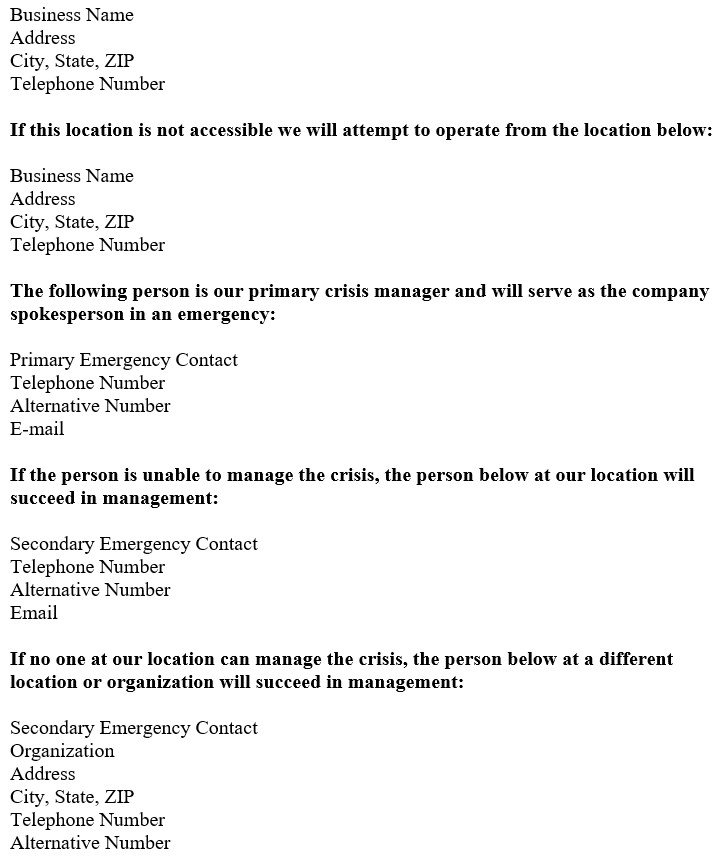
disaster preparedness plan template
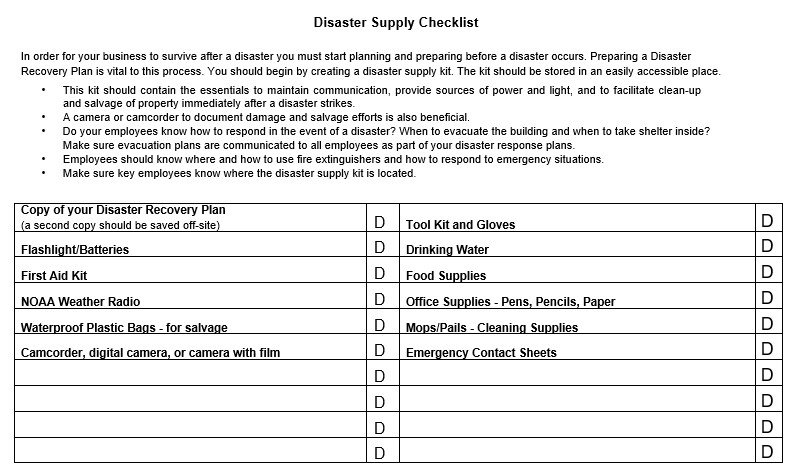
disaster planning and recovery template
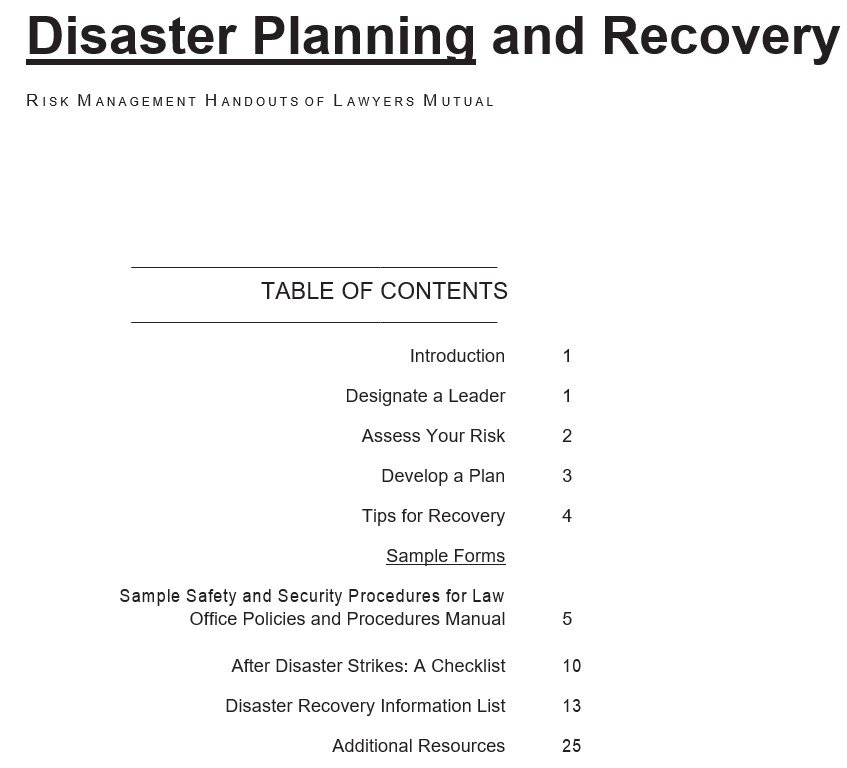
disaster control template for recovery
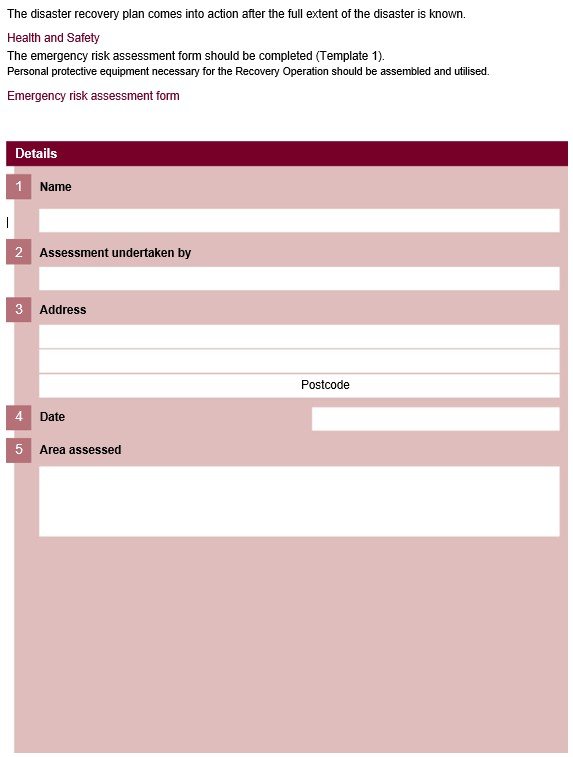
continuity and recovery plan template for small businesses
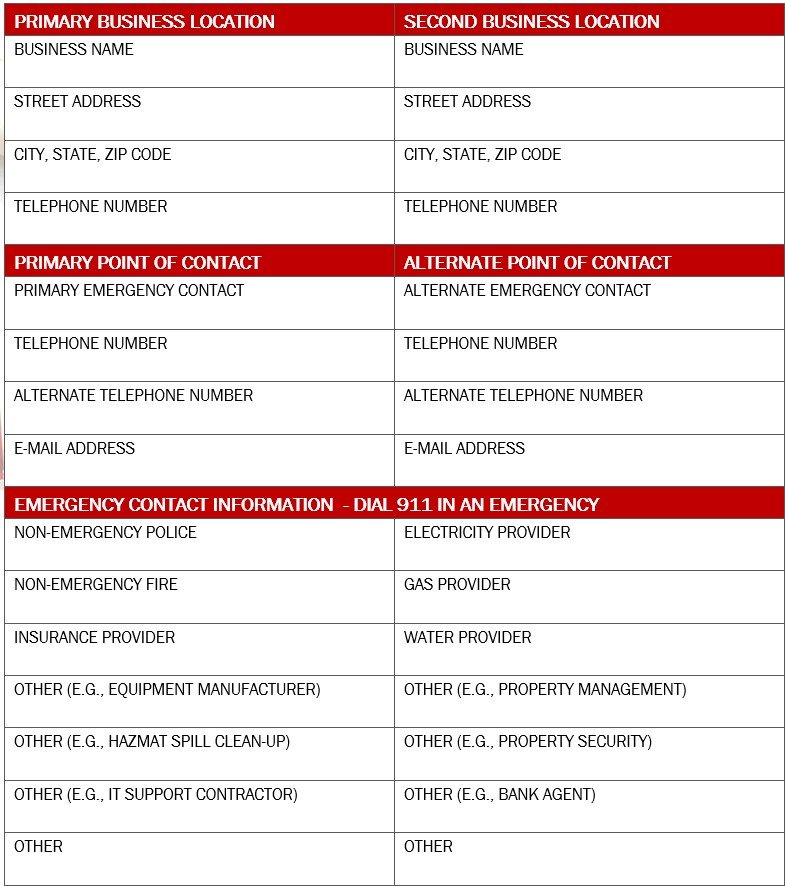
basic disaster recovery and contingency plan template
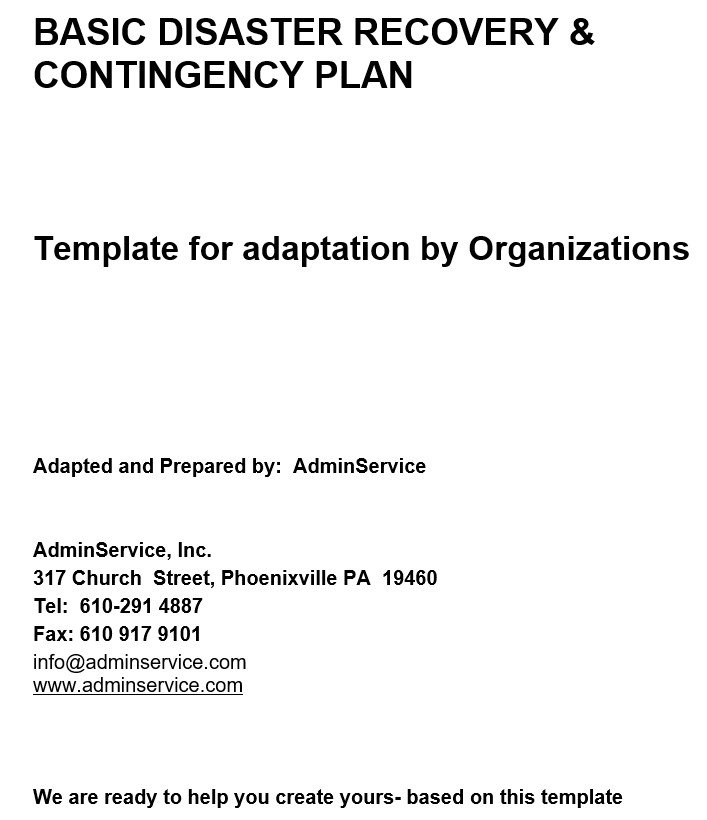
FAQ’s:
What are the major elements of a disaster recovery plan?
There are 5 major elements of this plan;
- Evacuation procedures
- Transportation
- Asset tracking
- System restoration
- Post-recovery actions
What are the tiers of disaster recovery?
Here are the 7 tiers of disaster recovery;
- Preparation
- Prevention
- Mitigation
- Preparedness
- Response
- Recovery
- Restoration
What are the main methods for recovering systems?
Let us discuss the 3 main methods for recovering systems;
- Manual recovery
- Image-based recovery
- Virtualization-based recovery

![Free Letter of Support Template [Word]](https://exceltmp.com/wp-content/uploads/2021/02/letter-of-support-template-150x150.jpg)