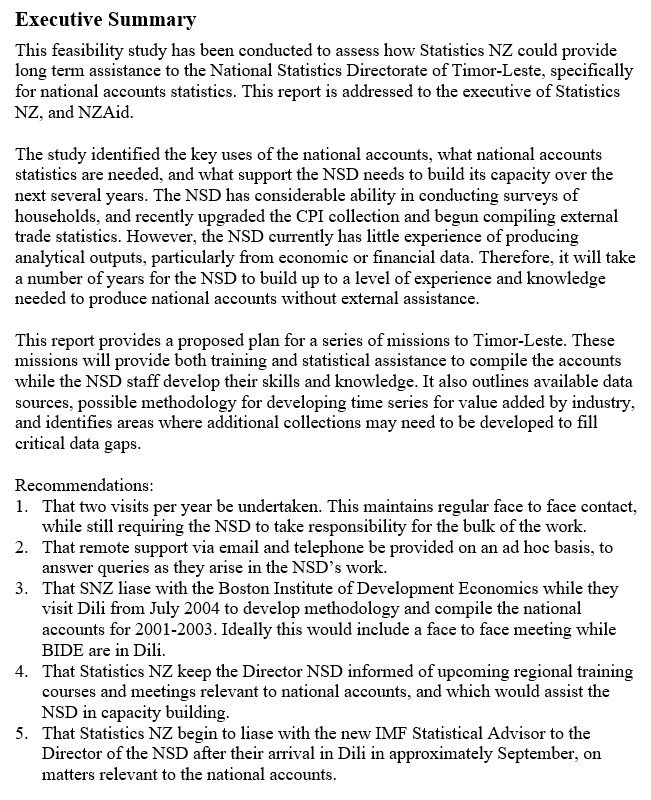
A feasibility study template is a document used to analyze the relevant factors of a specific project. These factors include the scheduling, legal, economic, and technical considerations. This document assists in ascertaining the success of the project’s completion.
Table of Contents
What Is a Feasibility Study Template?
A feasibility study template is a ready-made structure used to analyze whether a project, business idea, or investment plan is possible and worth pursuing. It works like a guide that tells you what information to collect, what questions to answer, and what areas to evaluate before making a final decision.
The word “feasibility” simply means possibility or practicality. So, a feasibility study answers questions like:
- Is this project possible?
- Can we afford it?
- Is there demand in the market?
- Do we have the right resources?
- Can we manage the risks?
- Will the project generate enough profit or value?
- Are there legal or technical problems?
- Should we continue or reconsider?
A feasibility study template is commonly used in business planning, project management, real estate development, manufacturing, healthcare, software development, education, startups, nonprofit projects, and government proposals.
For example, if someone wants to open a restaurant, a feasibility study template can help analyze the location, target customers, startup cost, competition, menu pricing, staff requirements, legal licenses, expected revenue, and potential risks. Without this analysis, the restaurant owner may enter the market blindly.
A feasibility study template gives your idea a professional reality check.
Why does conduct a feasibility study?
You should conduct a feasibility study in order to check whether or not you should commit your time and resources towards a project. It is also referred as a feasibility report example or a feasibility analysis example. Whatever the name is, the importance stays the same.
A feasibility study may introduce new challenges or concepts. Thus, these challenges or concepts may completely change the scope of a project. Beforehand, make such determinations rather than starting the project only to realize that it won’t work. However, conducting feasibility study provides you a clearer picture of the project.
Factors require to prepare the feasibility report:
Projects are essential component of organizations and businesses. You must first perform a feasibility study if you are avoiding to start projects which have a high likelihood of failing. You should come up with a feasibility report after performing this study. It helps you in making a final decision about your project. Consider the following factors to prepare the feasibility report;
Business alignment
To envision a new project, you should check whether it corresponds with the mission statement of your company or not. The project must align with your business in order to make it a viable one. Moreover, it must support the best interests of the organization.
System and technology assessment
Assess the system and technology viability of the project along with its deliverables after brainstorming and coming up with the scope. Here, the team should have senior technical consultants who will give the required input.
Economic viability
It is also essential to analyze the economic viability of the project before proceeding.
Operational considerations
Identify whether or not the solution you came up with solves the issue after building the scope and making a list of the requirements. In some situations, a proposed project may give a tangential solution to the expectations of the target market and this doesn’t make the project completely viable.
Legal ramifications
You have to check whether the project comes with any legal ramifications or not. You should also ensure that there is no concern about local and foreign government regulations, company policies, infringement issues, and more. You must discuss these issues to ensure that after implementation you don’t run into any roadblocks.
Resource and schedule concerns
These are the most essential factors to consider. You can’t push through with the project if you don’t have ample resources.
What to include in a feasibility report?
You should include the following elements in a feasibility report;
The scope of the project
You have to clearly build the scope of the project and the problems you want to address. Explain the parts of your business that would have great impact either indirectly or directly by the project. Making a well-defined scope enables the accuracy of your feasibility study.
A current analysis
This is essential for the assessment of the current implementation. You can identify the weaknesses and strengths of the existing approach. This helps you in saving a lot of time and money.
The requirements of the project
It is essential to explain all of the requirements on the basis of your project’s objectives. This assists you in providing a better idea of the resources you require and if you have enough.
The project approach
Next, you must decide the suggested course of action or solution to fulfil the requirements of the project. Consider different alternatives and select the most viable option.
Evaluation
In this section, you evaluate the cost-effectiveness of the approach you have selected and an estimate of the project’s total cost. For the purpose of comparison, you can also estimate the costs of the alternative options.
Review
Conduct a formal review when you have brought together all of these elements into your feasibility study. From this review, you can check how accurate your feasibility study is. In turn, this assists you in making a final decision about the project.
When Should You Use a Feasibility Study Template?
You should use a feasibility study template whenever you are about to start something that requires money, planning, people, time, or resources.
It is especially useful when launching a new business, opening a new branch, developing a new product, entering a new market, starting a construction project, building software, applying for funding, or making a major operational change.
For example, if a company wants to introduce a new mobile app, it should first check whether people need the app, who the competitors are, how much development will cost, what technology is required, how revenue will be generated, and what risks may appear.
Similarly, if a school wants to start a new training program, it should study student demand, teacher availability, cost structure, marketing needs, course pricing, and long-term sustainability.
A feasibility study is not only for large businesses. Even small business owners, freelancers, students, NGOs, and startup founders can use a feasibility study template to make better decisions. The size of the report can change according to the size of the project, but the purpose remains the same: to check whether the idea is practical and worth pursuing.
How to Use a Feasibility Study Template?
Using a feasibility study template is not difficult, but it should be done carefully. The first step is to define your project clearly. You need to know exactly what you are studying. A vague idea will produce a vague report.
The second step is to collect information. This may include market research, competitor analysis, cost estimates, supplier details, technical requirements, customer feedback, legal rules, and financial data.
The third step is to fill each section of the template honestly. Do not write only positive points. Include challenges, weaknesses, and risks as well.
The fourth step is to analyze the information. Look at the numbers, compare options, and check whether the project makes sense from different angles.
The fifth step is to write your final recommendation. This should be practical and evidence-based.
The final step is to review the feasibility study with decision-makers. If needed, update the report before making the final decision.
How to write a feasibility study report?
Here are some pointers that you should follow while making a feasibility study report;
At the beginning or end of your report, include an executive summary
The executive summary explains the most essential points of each of the sections.
Make an outline
Make an outline that makes the task easier for you whether you are including the executive summary at the beginning or end of your report. The outline assists you in guiding you as you’re writing the report. It also provides you an idea of what you have accomplished and what you must still work on.
Estimate and calculate the needed materials and labor
Create a list of all the materials that you require for your project. Furthermore, include other information such as where you plan to get the materials, the details regarding materials, etc.
Shipping and transportation requirements
Consider how you will begin transporting the materials that you require for your project. Small items aren’t a problem but you have to hire a trucking or a freight company in case you want to ship or transport equipment or other heavy items.
Include the marketing requirements
Marketing is an essential part of your project. This is specifically true if you want to reach out to a target audience.
Think about the technology requirements of your business
You may require some type of technology during implementation on the basis of the nature of your project.
Include the project’s target dates
This is important information as target dates provide them a better idea of when your project will get completed.
For the financial information, give supporting documents
This information is beneficial for the project’s investors and stakeholders.
Feasibility Study Template vs Business Plan
Many people confuse a feasibility study template with a business plan. They are related, but they are not the same.
A feasibility study is created before the final decision is made. It helps you decide whether the idea is worth pursuing.
A business plan is usually created after the idea has been approved. It explains how the business will be launched, managed, marketed, and grown.
In simple words, a feasibility study asks, “Should we do this?” A business plan asks, “How will we do this?”
For example, before opening a coffee shop, you may create a feasibility study to check market demand, location, cost, competition, and profitability. If the study shows that the idea is feasible, you can then create a full business plan with branding, marketing strategy, hiring plan, menu design, and growth goals.
Both documents are useful, but the feasibility study should usually come first.
report feasibility study example
feasibility study template
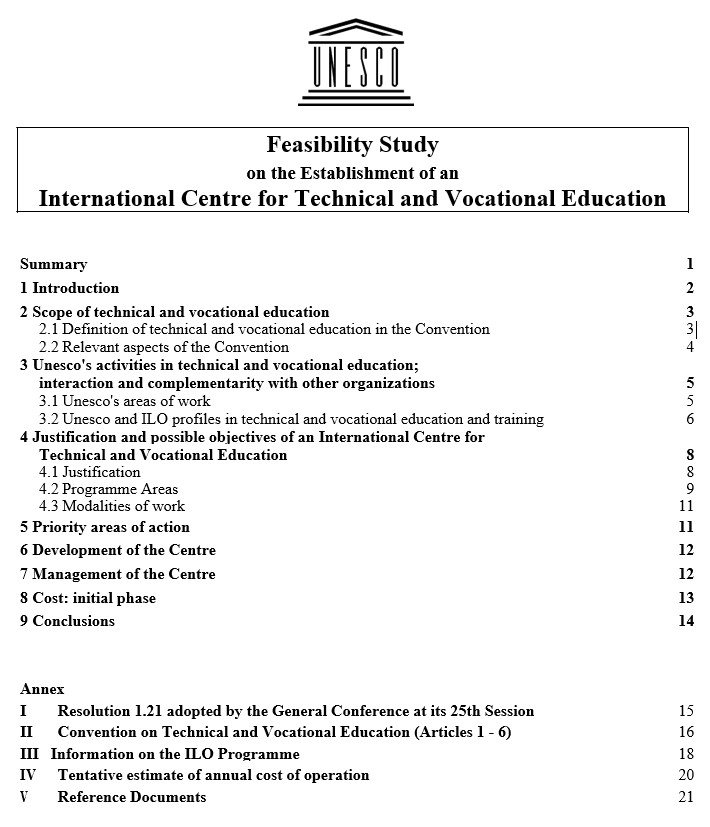
feasibility study template word
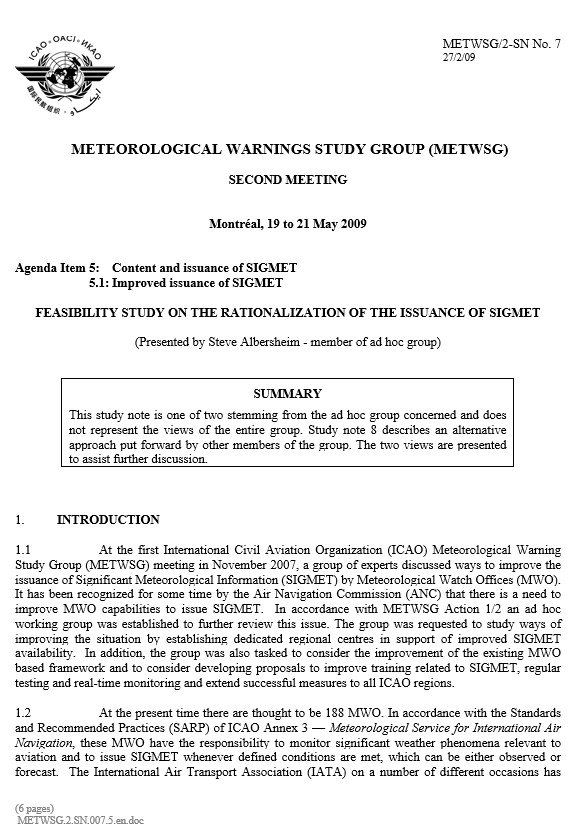
feasibility study on the rationalization process
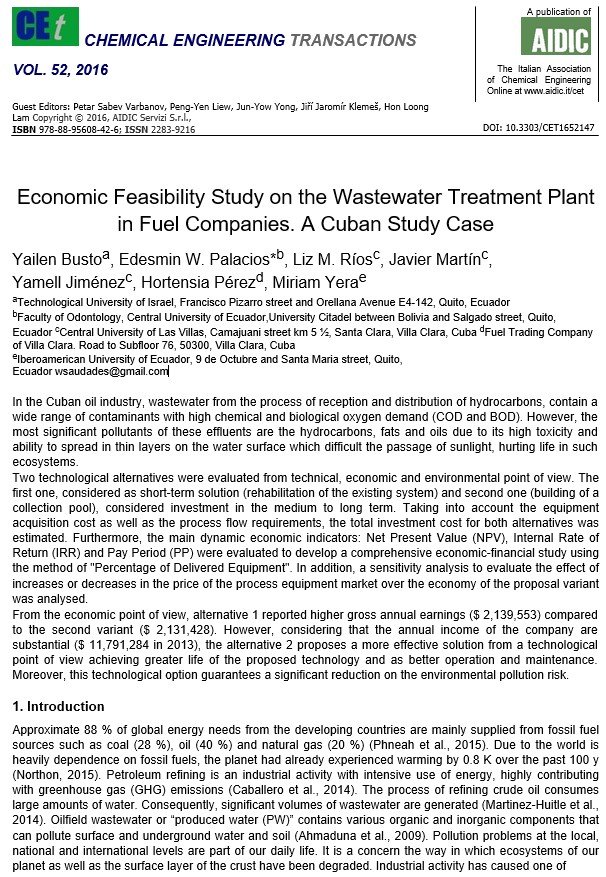
economic feasibility study template
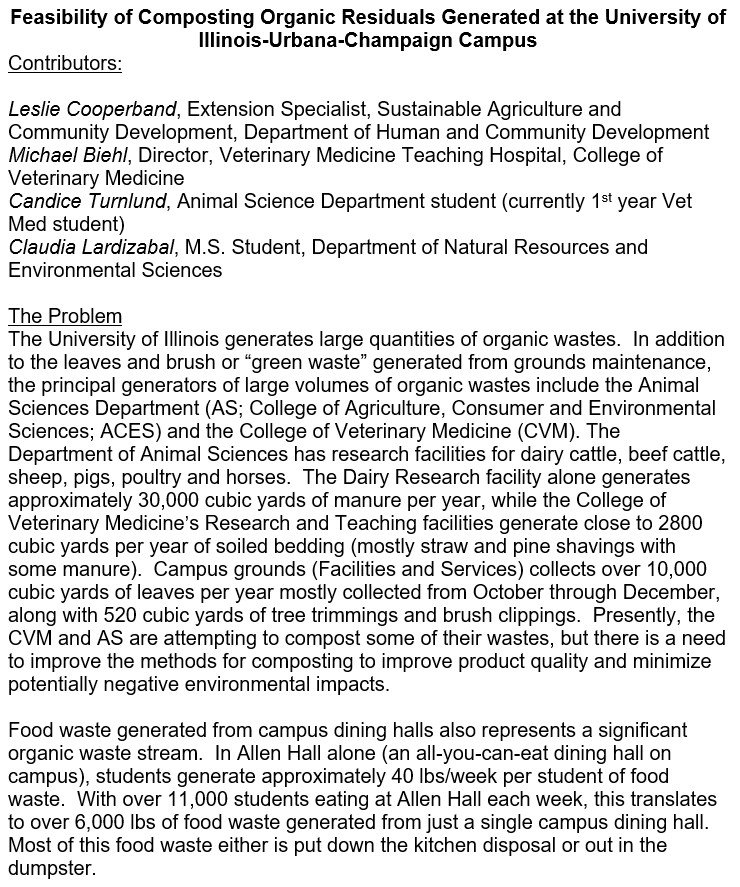
composting feasibility study template
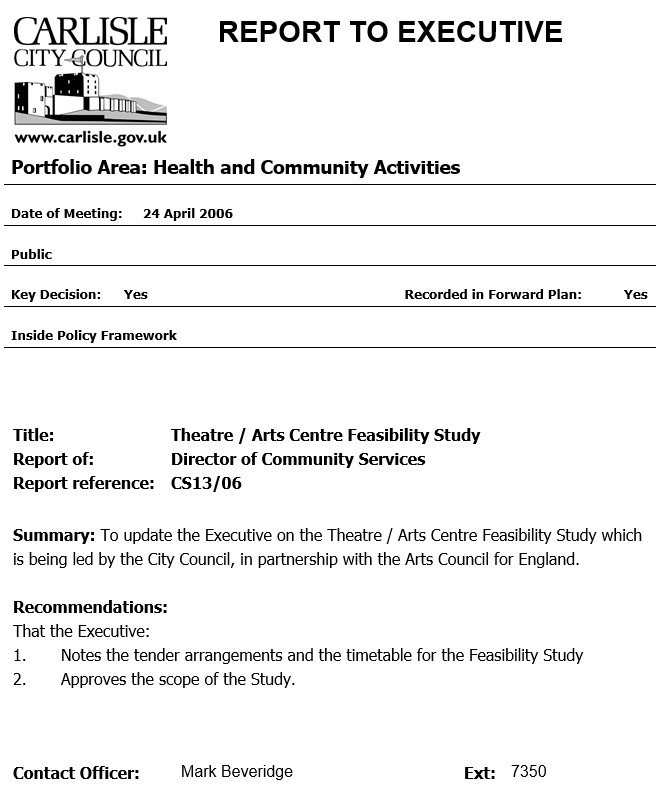
arts centre feasibility study template
Conclusion:
A feasibility study template is more than just a document format. It is a smart planning tool that helps you test an idea before taking a big step.
Personally, I believe every serious project should begin with some form of feasibility analysis. It does not matter whether the project is small or large. When you study the market, costs, risks, operations, legal requirements, and technical needs in advance, you give yourself a better chance of success.
A project may look exciting in the beginning, but excitement alone is not enough. You need facts, numbers, research, and practical planning. That is exactly what a feasibility study provides.
If you are planning a business, launching a new service, developing a product, or investing in a new opportunity, use a feasibility study template before moving forward. It can save money, reduce risk, improve planning, and help you make decisions with confidence.
In the end, a feasibility study does not guarantee success, but it gives you something extremely valuable: clarity. And in business and project planning, clarity is often the difference between a smart decision and an expensive mistake.
You May also Like
 Business Report Template (Word, PDF)
- Printable Daily Planner Template – 5+ Free Word, Excel, PDF Documents
- Printable Volunteering Certificate Template Free [Word]
- Free Unpaid Wages Demand Letter Templates (Word)
- 8+ Free Concept Map Templates (Word / PowerPoint)
- Free Insurance Card Template (Word / PDF) – Easy to Customize and Download
![Printable Volunteering Certificate Template Free [Word]](https://exceltmp.com/wp-content/uploads/2021/04/sample-volunteer-certificate-template-150x150.jpg)