A settlement agreement is a legally binding document between the employee and the employer. The employee waives his right in this settlement agreement to bring a financial claim against his employer. The employer, in return, gives financial payment to the employee. Both parties, through negotiation process, make this agreement voluntarily.
Table of Contents
What Is a Settlement Agreement Template?
A settlement agreement template is a pre-designed document format that helps two or more parties create a written agreement to resolve a dispute or obligation. It includes standard sections where users can add specific details about the parties, the issue being resolved, payment terms, responsibilities, and other important conditions.
Instead of creating an agreement from the beginning, a template provides a ready-made structure that saves time and ensures important information is not forgotten.
For example, imagine a company and an employee have a disagreement regarding employment termination. Instead of spending months arguing or going through legal procedures, both parties may decide to reach an agreement. They can use a settlement agreement template to document:
- The reason for the settlement
- The amount being paid
- The responsibilities of each party
- Any confidentiality requirements
- The agreement to end further claims
Once both parties review and sign the document, it becomes a formal record of their settlement.
A settlement agreement template is not a one-size-fits-all document. The terms must be adjusted according to the specific situation, legal requirements, and agreement between the parties.
Why Is a Settlement Agreement Template Important?
A settlement agreement template is valuable because it creates a clear framework for resolving disagreements. Without a written agreement, verbal promises can easily lead to confusion, especially when money, business relationships, or legal rights are involved.
Here are some important reasons why people use settlement agreement templates.
Saves Time and Simplifies the Agreement Process
Creating a legal-style agreement from scratch can be challenging, especially for someone without legal experience. A template provides a starting point with commonly required sections already included.
Instead of wondering:
- What information should be added?
- Which clauses are necessary?
- How should the agreement be structured?
This makes settlement agreements faster to prepare and easier to understand.
Provides a Professional Structure
A properly organized settlement agreement looks professional and helps both parties understand their commitments. Important details are placed in specific sections, making the document easier to review.
A professional structure usually includes:
- Names and details of involved parties
- Description of the dispute
- Settlement conditions
- Payment information
- Confidentiality terms
- Signature section
This organization reduces the chances of leaving out important information.
Reduces Future Misunderstandings
One of the biggest benefits of using a settlement agreement template is preventing future conflicts.
Many disputes happen because people have different interpretations of what was agreed upon. A written settlement clearly explains:
- What each party promised to do
- When obligations must be completed
- What happens after the agreement is signed
A detailed agreement gives both sides a clear understanding of the final resolution.
Helps Protect Both Parties
A settlement agreement is designed to protect everyone involved. It allows both parties to negotiate terms that work for them while creating written evidence of their agreement.
For example:
An employee may receive compensation after leaving a company, while the employer may receive confirmation that no further claims will be made regarding the dispute.
Both sides receive protection through clearly written terms.
When to use a settlement agreement?
Settlement agreements are extensively versatile. They don’t just bring a close to employment relationships also they settle disputes at any time. But, when you have tried resolving the disputes via disciplinary procedures or discussions, only use this settlement as a last resort.
Furthermore, each time a problem arises, you immediately decide to create a settlement agreement but people may consider it as inappropriate and heavy-handed.
How to make a settlement agreement with your employer?
In the workplace, settlement agreements are fairly common, particularly when employees have complaints against their employers. In such a situation, to prevent the employee from making a claim, the employer might attempt to settle the dispute. In the agreement, the employer makes a promise to stop the unlawful treatment, provide you monetary compensation or both.
As we said above that it is a legally-binding contract between the employee and the employer so both the parties must adhere to it. Most importantly, the employer has to maintain the confidentiality of this agreement.
In some cases, to seek independent legal advice, the employer will pay for the employee. The reason for this is that the dispute might end up in the Employment Tribunal if the employee signs a settlement without getting legal advice first. Instead, you can go to an Employment Tribunal in case you are an employee and you don’t want to reach a settlement.
Furthermore, your employer will inform you regarding what the agreement will include for the negotiations. This can be done by the employer either in writing or face-to-face. Ask someone for help if you can’t efficiently take part in this conversation. In order to prevent the issue from getting worse, most employers agree to this request.
If you weren’t able to settle the dispute after your negotiation then you should consider the offer of your employer. At this point, consider the following significant details;
- Do you have a strong case?
- How far off your employer’s offer in comparison to what you could potentially receive?
- In the agreement your employer makes, Whether or not you’d like to keep your job or get it back as part of the terms?
- In case you don’t agree with the settlement, what are your other options?
- Creating the tribunal claim will provide you a lot more than what you might receive from the settlement agreement.
Your claim get settled if you’re a recipient of Income Support, Jobseeker’s Allowance, or Universal Credit. There is no need for you to pay it back. But, the DWP claims back the amount you received from them if you win the tribunal claim. You should probably accept a reasonable settlement offered by your employer.
You can either decline if you think don’t think that your employer gave you a reasonable offer. In the case of a monetary settlement or go to an employment tribunal, ask for an increase. If you select to agree with the offer provided by your employer, then creating the document for the settlement is your next step. So, you must ensure the following;
- Your agreement is in writing.
- You have included all the details regarding the dispute which led to the settlement.
- The agreement comes from a lawyer who isn’t employed by the company.
- It should cover each and everything that you and your employer have agreed upon.
- It must show that the document meets all of the rules about settlement agreements.
Additionally, it’s not a good idea to sign the agreement if it doesn’t meet all these conditions. The document doesn’t have any validity without your signature. Therefore, to an employment tribunal, you can still bring your claim.
In order to get independent legal advice about the agreement, an employer will pay to the employee. This generally comes in the form of a lawyer with all the stipulated qualifications. However, this might also come in the form of an advice worker or a trade union representative. The trade union representation are those who has the authority to advice regarding settlement agreements.
Different Types of Settlement Agreement Templates
There is no single settlement agreement that works for every situation. The structure and wording should reflect the type of dispute being resolved.
Understanding the differences can help you select an appropriate starting point.
Employment Settlement Agreement Template
An employment settlement agreement is designed to resolve a dispute between an employer and employee.
It may be used in situations involving:
- Employment termination
- Compensation disputes
- Workplace disagreements
- Unpaid amounts
- Contract-related disputes
An employment settlement may contain provisions concerning compensation, benefits, confidentiality, return of company property, references, and release of specific claims.
Because employment law can contain mandatory rights and protections, an employment settlement should be reviewed carefully before signing.
Debt Settlement Agreement Template
A debt settlement agreement is generally used when a creditor and debtor agree on terms for resolving an outstanding debt.
For example, suppose someone owes $10,000 but cannot immediately pay the entire amount. The creditor may agree to accept a negotiated amount under specified conditions.
The agreement might identify:
- Original debt
- Agreed settlement amount
- Payment deadline
- Installment arrangements
- Consequences of non-payment
- Whether the remaining balance is released after payment
Business Dispute Settlement Agreement Template
Businesses frequently encounter disagreements involving contracts, services, invoices, partnerships, suppliers, and customers.
A business settlement agreement can document how the parties intend to resolve the issue without continuing the dispute.
It may cover:
- Outstanding invoices
- Contract obligations
- Refunds
- Future business responsibilities
- Confidentiality
- Release of claims
For businesses, clarity is particularly important because unclear settlement terms can create additional commercial problems.
Personal Injury Settlement Agreement Template
A personal injury settlement agreement may document an agreement concerning compensation for an injury or related claim.
The agreement may identify:
- Parties
- Circumstances of the claim
- Settlement amount
- Payment terms
- Release provisions
- Other agreed obligations
Personal injury settlements can have significant legal and financial consequences, so a generic template should not be treated as a replacement for professional legal advice.
Property Settlement Agreement Template
Property-related disputes can involve landlords, tenants, buyers, sellers, owners, contractors, or other parties.
A property settlement agreement might address:
- Property damage
- Repair costs
- Rental disputes
- Outstanding payments
- Ownership-related disagreements
- Contract issues
Divorce Settlement Agreement Template
A divorce settlement agreement is a specialized document that can address matters between spouses, such as property, finances, and other issues.
Depending on the jurisdiction, it may address:
- Division of property
- Debts
- Financial obligations
- Child-related arrangements
- Spousal support
Because family law varies substantially by jurisdiction, a divorce settlement template requires particular care and should be reviewed according to local legal requirements.
The risks of a settlement agreement:
Likewise any standard agreement, this agreement also has a number of risks;
- If you introduce this agreement and issue it to an employee, then in case any Employment Tribunal proceedings occur, he may use it as admissible evidence.
- You don’t give adequate compensation in case you use the agreement to get around a fair process such as a disciplinary, redundancy or capability procedure. May be your employee not agree to sign it. Then, to negotiate a higher settlement or initiate formal procedures in the workplace, this provides the employee strong grounds.
- If you offer an agreement which isn’t managed well, it may destroy your relationship of confidence in trust with the employee.
The benefits of a settlement agreement:
Let us discuss below the benefits of a settlement agreement;
- In return for monetary compensation, when the employee agrees to waive his right to bring claims against the employer, the agreement allows for a clean and easy break in the employer-employee relationship.
- To end the employment relationship, a settlement agreement template is an efficient, pragmatic, and speedy way.
- You, as an employer don’t have to worry that your former employees will bring claims against the company.
Conclusion:
In conclusion, a settlement agreement template is an agreement that exists between an employee and the employer. This contract states that the employee won’t pursue in exchange for monetary compensation. It is generally a legally binding document that is drafted shortly after or before the employee gets terminated.
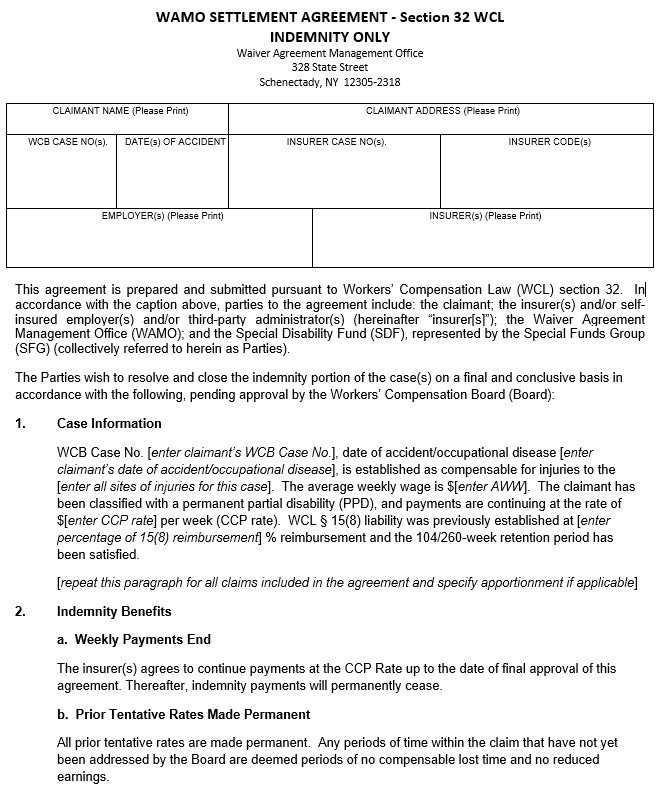
WAMO settlement agreement
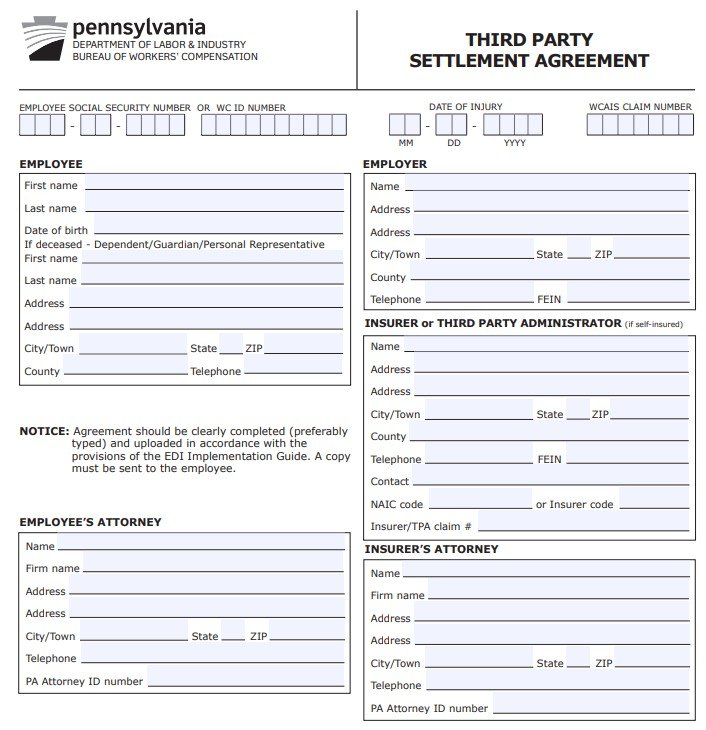
third party settlement agreement template
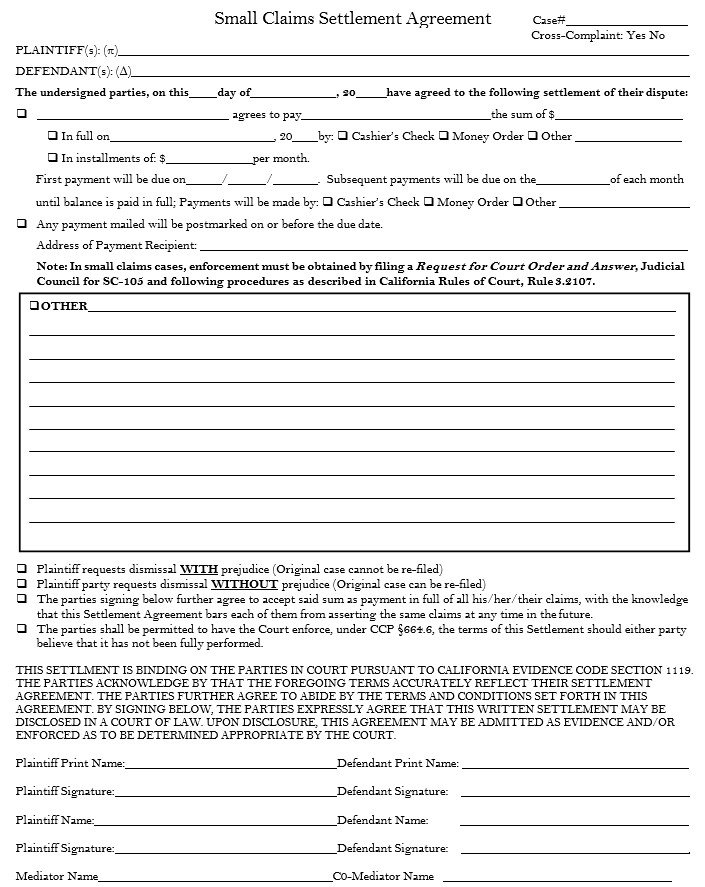
small claims settlement agreement
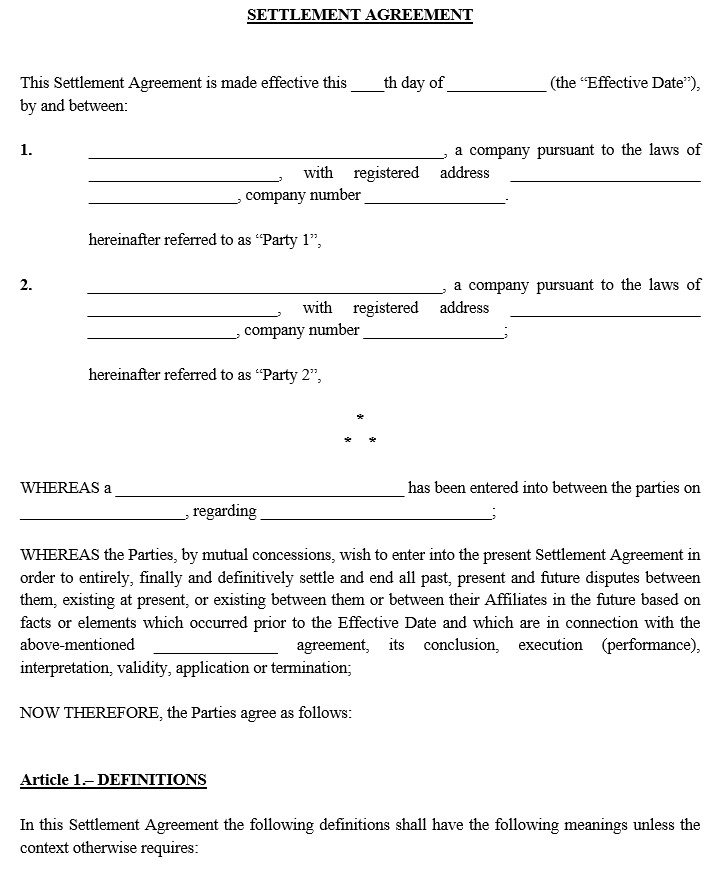
settlement agreement
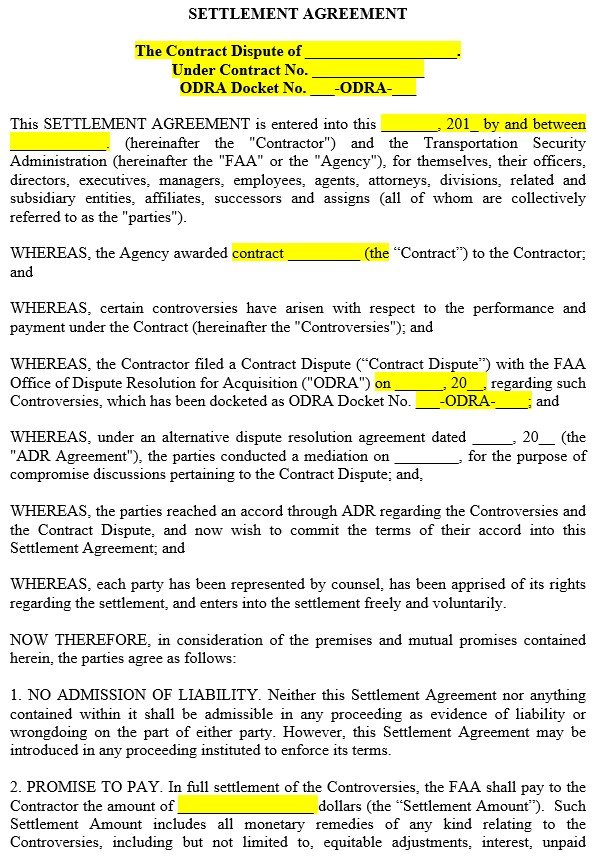
settlement agreement template
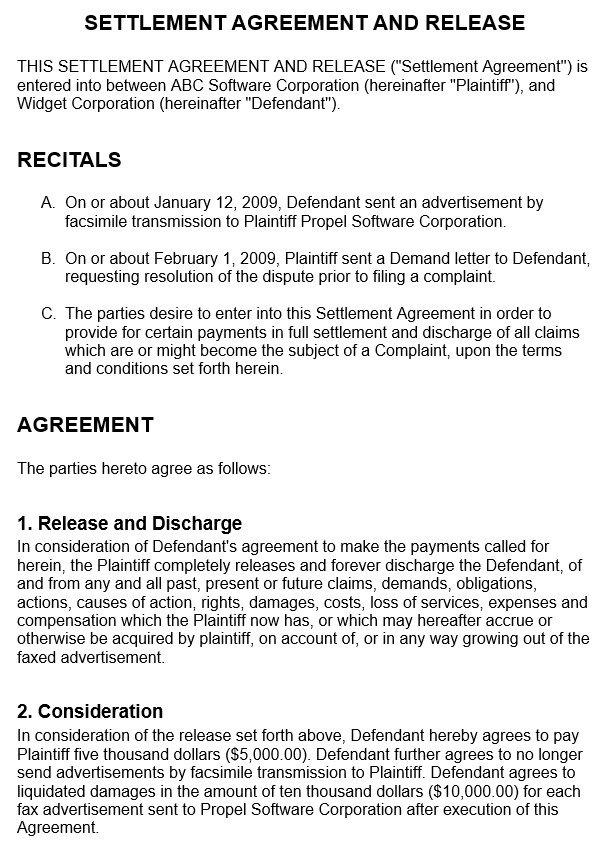
settlement agreement and release
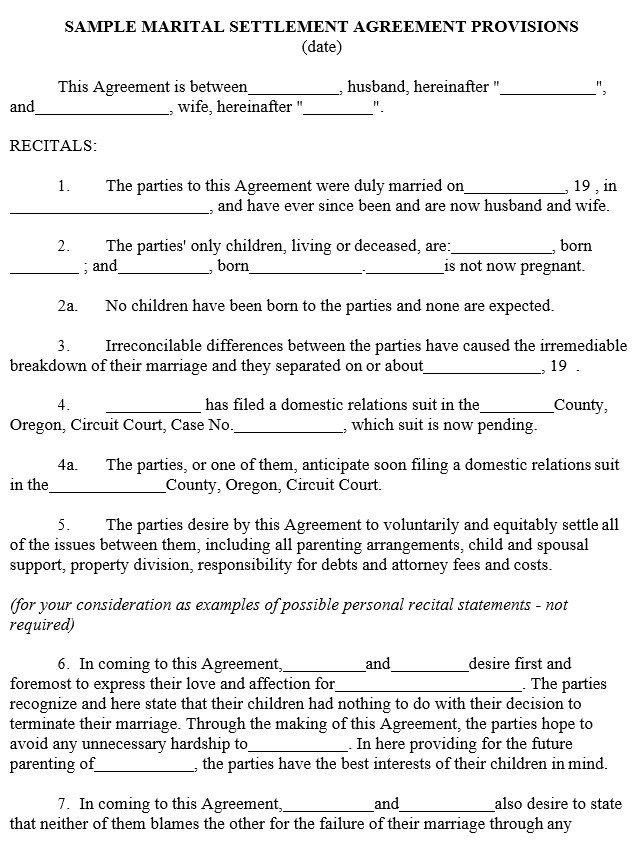
sample marital settlement agreement provisions
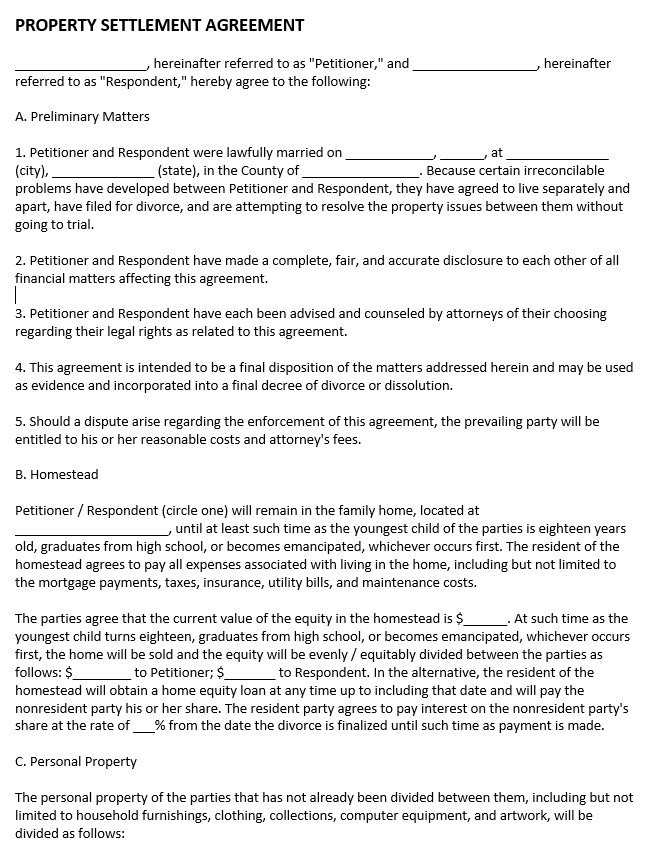
property settlement agreement template
model settlement agreement
mars settlement agreement
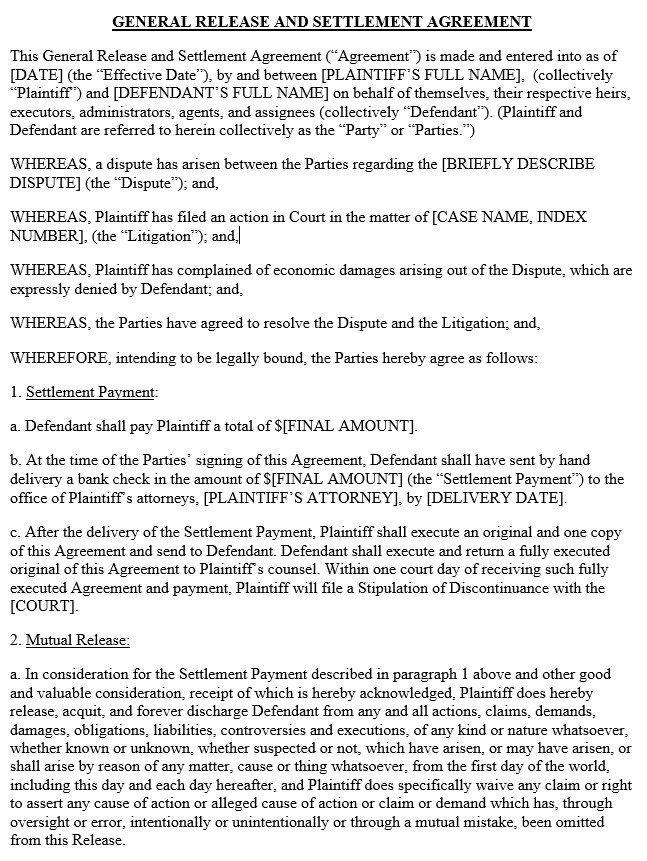
general release and settlement agreement
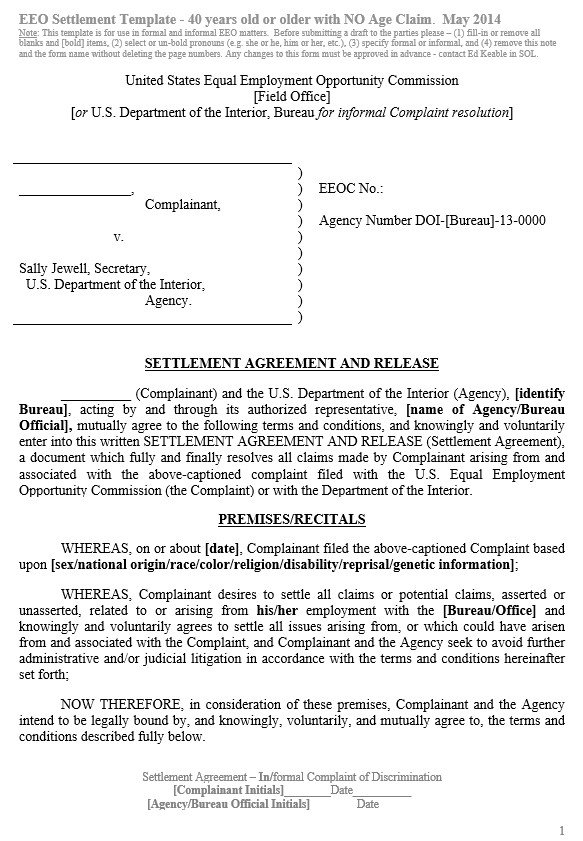
EEO settlement template
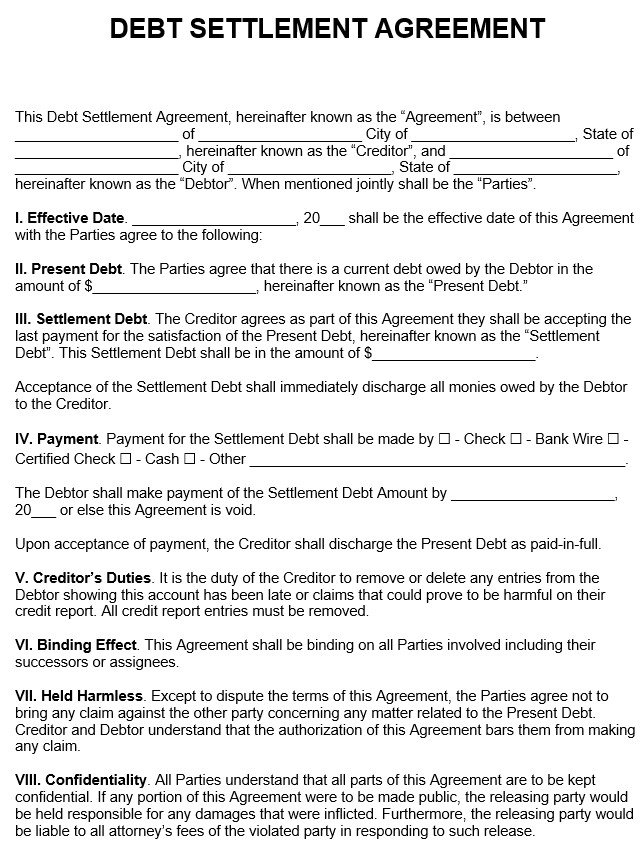
debt settlement agreement
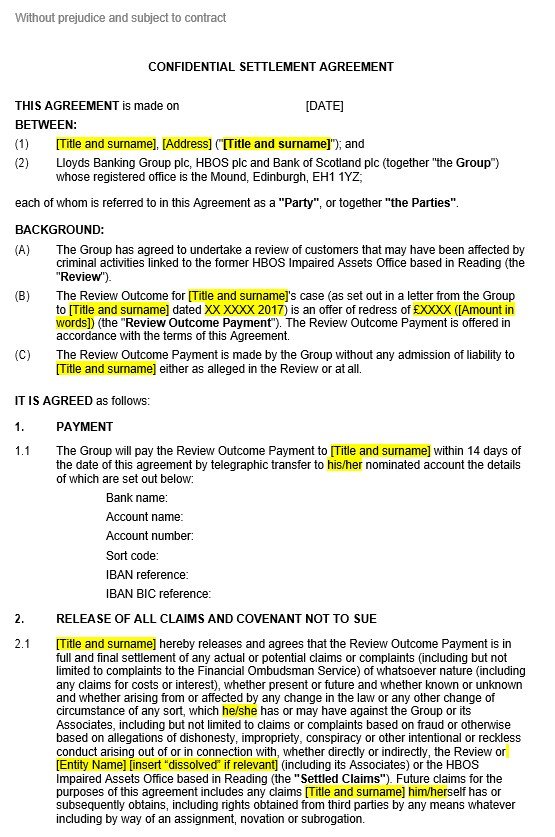
confidential settlement agreement
Frequently Asked Questions:
Is a Settlement Agreement Template Legally Binding?
A settlement agreement template can become legally binding once it is properly completed, agreed upon, and signed by all parties involved. However, simply downloading a template and filling in basic information does not automatically guarantee that it will be enforceable.
For a settlement agreement to have legal value, it generally needs clear terms, mutual agreement between parties, proper signatures, and compliance with applicable laws. The requirements may vary depending on the location and type of settlement.
Can I Create My Own Settlement Agreement Using a Template?
Yes, you can create your own settlement agreement using a template as a starting point. Templates are designed to make the drafting process easier by providing common sections and clauses.
However, you should carefully customize the document according to your specific situation. Important details such as payment terms, release clauses, deadlines, and responsibilities should accurately reflect the agreement between both parties.
For complex disputes or significant financial matters, professional legal advice may be helpful.
What Information Should Be Included in a Settlement Agreement Template?
A settlement agreement template usually includes several important sections, including:
- Names and details of all parties
- Description of the dispute or issue
- Settlement terms and conditions
- Payment details
- Deadlines and obligations
- Confidentiality terms
- Release of claims
- Dispute resolution process
- Governing law information
- Signature and date sections
Can a Settlement Agreement Be Changed After Signing?
A settlement agreement can usually only be changed if all parties agree to the modifications. Any changes should be documented in writing and signed by the relevant parties.
Making verbal changes after signing can create confusion because there may be no clear proof of what was agreed upon.
What Is the Difference Between a Settlement Agreement and a Contract?
A settlement agreement is a specific type of contract designed to resolve an existing dispute or disagreement. While both documents create legal obligations, a settlement agreement focuses on ending a conflict by defining how the parties will resolve their issues.
A regular contract usually establishes a new business or personal relationship, while a settlement agreement typically addresses an existing problem.
Is a Settlement Agreement Better Than Going to Court?
In many situations, a settlement agreement can be a faster, less expensive, and more private alternative to court proceedings.
Benefits may include:
- Lower legal costs
- Faster resolution
- More control over the outcome
- Less stress
- Privacy between parties
However, whether settlement is the best option depends on the specific circumstances of the dispute.
Can a Settlement Agreement Template Be Used for Employment Termination?
Yes, an employment settlement agreement template is commonly used when an employer and employee want to resolve matters related to termination, resignation, compensation, or workplace disputes.
It may include details about:
- Final payments
- Benefits
- Return of company property
- Confidentiality obligations
- Release of claims
Employment laws differ by location, so the agreement should meet applicable employment requirements.
You May also Like
 Free Mississippi Car Bill of Sale Form (Word / PDF)
- Free Real Estate Purchase Agreement Forms & Templates (Word / PDF)
 Free Employee Pay Stub Template Excel
- Free Oregon LLC Operating Agreement Template (Word)
- Free Printable Appointment Schedule Template for Excel
- Free Printable Bank Reconciliation Templates (Excel, PDF)