Running a business is not only about increasing sales or finding new customers. A large part of business success depends on controlling the expenses that keep the company operating every day. Rent, utilities, software subscriptions, insurance, administrative salaries, office supplies, and professional fees may not be directly connected to producing a product, but they can still consume a significant portion of the business budget.
This is where an Overhead Budget Template becomes incredibly useful.
When I first started paying closer attention to business expenses, I realized that overhead costs were much harder to control than direct costs. Direct expenses are usually easy to identify because they are connected to a particular product, service, or project. Overhead expenses, however, are spread across the entire business. They may appear small individually, but together they can seriously affect profitability.
An Overhead Budget Template helps organize these expenses in one place. It allows you to estimate future costs, compare them with actual spending, identify unnecessary expenses, and make better financial decisions.
Table of Contents
What Is an Overhead Budget Template?
An Overhead Budget Template is a financial planning tool used to estimate, record, and monitor the indirect costs of running a business.
Indirect costs are expenses that support the overall operation of a company but cannot be assigned directly to one specific product, customer, department, or project.
For example, if you run a furniture manufacturing business, the wood used to build a table is a direct cost. The electricity used to light the entire workshop is an overhead cost. Similarly, the wages paid to a carpenter working on the table may be treated as direct labor, while the salary of the office receptionist is usually considered overhead.
An Overhead Budget Template normally includes:
- Budgeted overhead expenses
- Actual overhead expenses
- Monthly or quarterly figures
- Variance between budgeted and actual amounts
- Fixed and variable overhead costs
- Department or cost-center information
- Notes explaining unusual expenses
- Annual totals and projections
Why an Overhead Budget Template Is Important
Many businesses focus heavily on revenue while paying less attention to overhead. This can create a dangerous situation. Sales may increase, but profits may remain low because operating expenses are also rising.
An Overhead Budget Template provides a clear picture of where the money is going.
Improves Financial Visibility
Without a structured budget, overhead expenses may be scattered across bank statements, invoices, receipts, and accounting reports. This makes it difficult to understand the total cost of operating the business.
A well-organized Overhead Budget Template brings all recurring and occasional indirect expenses together. You can quickly see how much you are spending on rent, utilities, subscriptions, administration, insurance, maintenance, and other operational needs.
Helps Control Unnecessary Spending
One of the biggest advantages of using an Overhead Budget Template is that it helps identify waste.
You may discover that your business is paying for software that nobody uses, maintaining more office space than required, purchasing unnecessary supplies, or renewing expensive service contracts without reviewing them.
Once these expenses become visible, they are easier to question and reduce.
Supports Better Pricing Decisions
A product or service must generate enough revenue to cover both direct costs and overhead costs.
If overhead is not included when setting prices, the business may appear profitable on paper while actually losing money. An Overhead Budget Template helps estimate the portion of indirect expenses that should be included in pricing calculations.
This is particularly important for manufacturers, consultants, contractors, agencies, and service-based businesses.
Makes Cash Flow Planning Easier
Many overhead expenses are recurring. Rent, salaries, internet bills, insurance payments, subscriptions, and loan repayments must be paid even during slow sales periods.
By preparing an overhead budget, you can predict when these payments will occur and ensure that sufficient cash is available.
Creates Financial Accountability
When departments or managers are assigned overhead budgets, they become more responsible for how resources are used.
The template can show each department’s approved budget, actual spending, and variance. This makes it easier to investigate overspending and improve financial discipline.
Supports Business Growth
Growth usually increases overhead. A larger team may require more office space, software licenses, equipment, management support, insurance, and administrative resources.
An Overhead Budget Template allows you to estimate these additional costs before expanding. You can then decide whether the expected revenue growth is enough to support the higher operating expenses.
Common Categories in an Overhead Budget Template
Every business is different, so the exact categories will depend on the organization. However, the following sections are commonly included.
Rent and Facility Expenses
Facility costs are often among the largest overhead expenses.
This category may include:
- Office rent
- Warehouse rent
- Factory rent
- Property taxes
- Building maintenance
- Security services
- Cleaning services
- Waste disposal
- Parking expenses
- Facility management fees
If the business operates from multiple locations, create separate rows or sections for each location.
You can also include annual rent increases so that the budget reflects expected changes during the year.
Utilities
Utilities may seem routine, but they can become expensive, especially for businesses with large offices, warehouses, manufacturing facilities, or extended operating hours.
Utility expenses may include:
- Electricity
- Gas
- Water
- Internet
- Telephone
- Heating
- Cooling
- Generator fuel
- Waste collection
I find it useful to review at least six to twelve months of previous utility bills before preparing the budget. Seasonal changes should also be considered. Electricity costs may be higher during summer, while heating expenses may rise in winter.
Administrative Salaries and Benefits
Employee compensation is another major overhead category.
This section can include salaries and benefits for:
- Administrative employees
- Human resources staff
- Accountants
- Receptionists
- Office managers
- Supervisors
- Executives
- Legal and compliance staff
- Information technology support staff
In addition to salaries, include:
- Payroll taxes
- Health benefits
- Retirement contributions
- Bonuses
- Overtime
- Employee training
- Recruitment expenses
- Staff welfare costs
Leaving employee benefits out of the budget can lead to a serious underestimation of total payroll overhead.
Office Supplies and Equipment
Office-related expenses are often spread across many small purchases. Because each transaction may seem minor, this category can grow without attracting attention.
Typical expenses include:
- Paper
- Printer ink
- Stationery
- Files and folders
- Furniture
- Computers
- Mobile devices
- Printers
- Office accessories
- Cleaning supplies
- Kitchen supplies
You may want to separate recurring supplies from one-time equipment purchases. This will make it easier to understand normal operating costs.
Software and Technology
Modern businesses depend heavily on digital tools. Monthly subscriptions can quietly become a significant overhead expense.
Technology-related expenses may include:
- Accounting software
- Customer relationship management software
- Project management tools
- Email services
- Cloud storage
- Video conferencing platforms
- Cybersecurity tools
- Website hosting
- Domain renewal
- Design software
- Payroll systems
- Data backup services
- Technical support contracts
Review your subscriptions regularly. Businesses often continue paying for duplicate platforms or unused accounts.
Insurance
Insurance protects the business from financial risks, but premiums should be included in the budget accurately.
Common insurance expenses include:
- General liability insurance
- Property insurance
- Professional liability insurance
- Workers’ compensation insurance
- Vehicle insurance
- Cybersecurity insurance
- Product liability insurance
- Business interruption insurance
Some policies are paid monthly, while others are paid quarterly or annually. Record the expense in the correct month to avoid unexpected cash flow pressure.
Professional Services
Most businesses occasionally need outside professional support.
This section may include:
- Accounting fees
- Legal fees
- Consulting fees
- Audit fees
- Tax preparation fees
- Recruitment services
- Business advisory fees
- Information technology consulting
- Marketing consultancy
- Compliance services
Professional service expenses may not occur every month, so they can easily be forgotten during budgeting. Review previous invoices and upcoming projects before estimating this category.
Marketing and Advertising Overhead
Some companies treat marketing expenses separately, while others include them in the overhead budget.
Marketing-related overhead can include:
- Website maintenance
- Social media management
- Online advertising
- Graphic design
- Promotional materials
- Email marketing tools
- Market research
- Public relations
- Photography
- Video production
- Sponsorships
- Trade show participation
When budgeting for marketing, connect the expense to a specific objective whenever possible. This makes it easier to measure whether the spending is producing results.
Repairs and Maintenance
Equipment, vehicles, buildings, and technology require maintenance.
Expenses may include:
- Machinery repairs
- Computer maintenance
- Vehicle servicing
- Air conditioning maintenance
- Electrical repairs
- Plumbing
- Furniture repair
- Equipment inspection
- Replacement parts
- Preventive maintenance contracts
It is difficult to predict every repair, so I recommend including a small contingency amount for unexpected maintenance.
Travel and Transportation
Business travel can become expensive when it is not monitored.
This section may include:
- Airfare
- Hotel accommodation
- Meals
- Local transportation
- Fuel
- Vehicle maintenance
- Tolls
- Parking
- Employee mileage reimbursement
- Client visit expenses
A clear travel policy can help keep this category under control.
Depreciation
Depreciation represents the gradual reduction in the value of long-term assets, such as machinery, vehicles, computers, and office furniture.
Although depreciation does not always involve an immediate cash payment, it is still an important accounting expense.
Including depreciation in an Overhead Budget Template provides a more accurate picture of the total cost of using business assets.
Taxes, Licenses, and Regulatory Fees
Businesses may need to pay several government and regulatory expenses.
Examples include:
- Business registration fees
- Professional licenses
- Property taxes
- Local permits
- Industry certification fees
- Regulatory inspection fees
- Filing charges
- Payroll-related taxes
These expenses often have specific deadlines. Add the payment month to the template so that funds are available when needed.
Essential Columns for an Overhead Budget Template
A basic template should include the following columns:
- Expense category
- Expense description
- Department
- Fixed or variable classification
- Monthly budget
- Monthly actual amount
- Monthly variance
- Annual budget
- Annual actual amount
- Payment frequency
- Due date
- Supplier or service provider
- Notes
- Person responsible
A smaller business may use only five or six columns. A larger company may require more detailed information.
The goal is not to make the template overly complicated. It should provide enough information to support decisions without becoming difficult to maintain.
Example of an Annual Overhead Budget
Imagine a small digital marketing agency preparing its annual overhead budget.
Its estimated monthly expenses may look like this:
This example immediately tells the business owner that the company must generate enough gross profit to cover at least $153,600 in annual overhead before producing a net profit.
How to Calculate the Overhead Rate
The overhead rate shows the relationship between overhead expenses and another business measure, such as direct labor, sales, or production hours.
A common formula is:
Overhead Rate = Total Overhead Costs ÷ Total Direct Costs
For example, if annual overhead is $100,000 and total direct costs are $250,000:
Overhead Rate = $100,000 ÷ $250,000 = 0.40
The overhead rate is 40%.
This means that for every $1 spent on direct costs, the business spends an additional $0.40 on overhead.
Another method is to calculate overhead as a percentage of sales:
Overhead Percentage = Total Overhead Costs ÷ Total Revenue × 100
If overhead is $100,000 and annual revenue is $500,000:
Overhead Percentage = $100,000 ÷ $500,000 × 100 = 20%
These calculations are useful for pricing, profitability analysis, and performance monitoring.
How to Analyze Budget Variance
Variance analysis compares the budgeted amount with the actual amount.
Suppose you budgeted $1,000 for monthly utilities but spent $1,250. The unfavorable variance is $250.
Do not stop after identifying the difference. Ask why it happened.
Possible reasons may include:
- Seasonal weather
- Increased production
- Higher utility rates
- Equipment inefficiency
- Longer operating hours
- An incorrect original estimate
A variance is not always negative. Spending more than expected may be reasonable if the business also produced more revenue. Similarly, spending less is not automatically positive if necessary maintenance or training was delayed.
The purpose of variance analysis is to understand the story behind the numbers.
Tips for Reducing Overhead Expenses
Once your Overhead Budget Template reveals where the money is going, you can look for practical savings.
Review Subscriptions
Cancel unused software, duplicate tools, and inactive user accounts.
Negotiate Supplier Contracts
Ask suppliers, insurers, internet providers, and service companies for better rates.
Reduce Energy Consumption
Use energy-efficient equipment, improve maintenance, and switch off unused devices.
Consider Remote or Hybrid Work
A smaller office may reduce rent, utilities, cleaning, and facility expenses.
Automate Administrative Tasks
Automation can reduce repetitive manual work in accounting, payroll, reporting, scheduling, and customer communication.
Control Purchasing
Introduce approval limits and standard purchasing procedures.
Schedule Preventive Maintenance
Regular maintenance may reduce emergency repair costs and equipment downtime.
Compare Budget and Actual Results Monthly
Frequent reviews allow you to correct overspending before it becomes a major problem.
Overhead Budget Template for Small Businesses
A small business does not need an extremely complex budgeting system.
A practical small-business template can include:
- Expense name
- Monthly estimate
- Actual monthly expense
- Variance
- Payment date
- Notes
The most important thing is consistency.
Even a basic Overhead Budget Template can improve financial control when it is updated regularly. Start with a simple format and add more detail as the business grows.
Overhead Budget Template for Projects
Project-based businesses may need to allocate a portion of company overhead to each project.
Examples include:
- Construction companies
- Consulting firms
- Marketing agencies
- Engineering firms
- Freelance teams
- Software development companies
Project overhead may include:
- Project management
- Administrative support
- Shared software
- Office space
- Communication expenses
- General insurance
- Accounting support
- Equipment usage
A project-based Overhead Budget Template helps ensure that project prices include both direct work and indirect support costs.
Overhead Budget Template for Manufacturing
Manufacturing businesses often divide overhead into manufacturing and administrative overhead.
Manufacturing overhead may include:
- Factory rent
- Production utilities
- Indirect labor
- Machine depreciation
- Maintenance
- Quality control
- Factory supervision
- Safety equipment
- Cleaning supplies
Administrative overhead may include:
- Office salaries
- Accounting
- Legal services
- Office rent
- Information technology
- Insurance
- Human resources
Separating these categories improves product costing and production planning.
How Often Should You Review Your Overhead Budget?
I recommend reviewing overhead expenses at least once a month.
A monthly review should include:
- Updating actual expenses
- Checking budget variances
- Reviewing upcoming payments
- Investigating unusual costs
- Adjusting future forecasts
- Identifying savings opportunities
A more detailed review can be completed quarterly. The entire budget should normally be rebuilt or formally revised every year.
Businesses experiencing rapid growth, financial difficulty, or seasonal demand may need weekly monitoring.
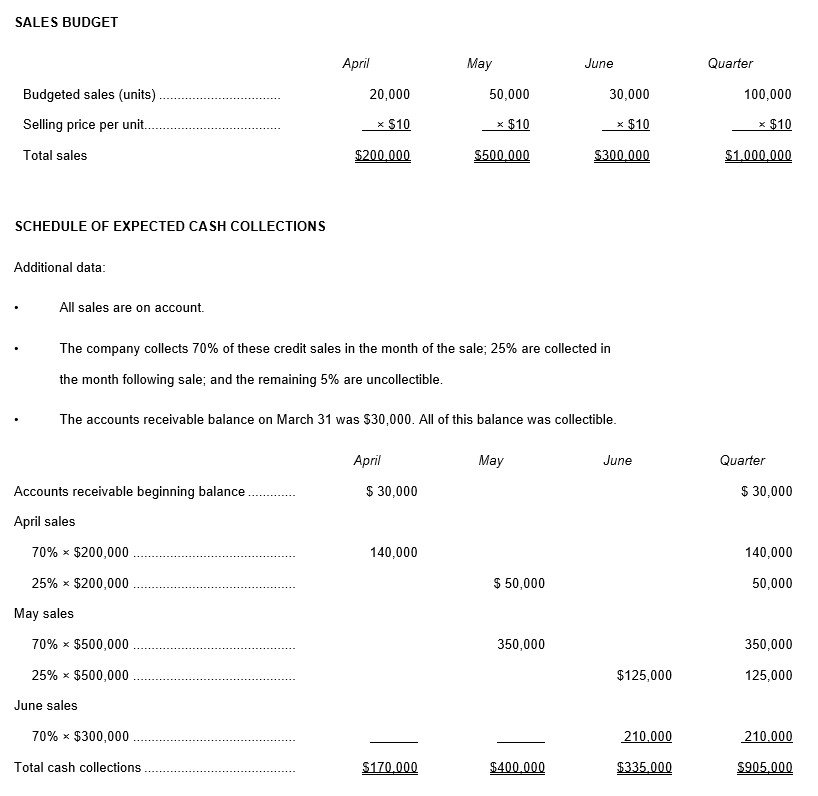
sales and production budget example
production budget template
overhead budget template
overhead budget manual template
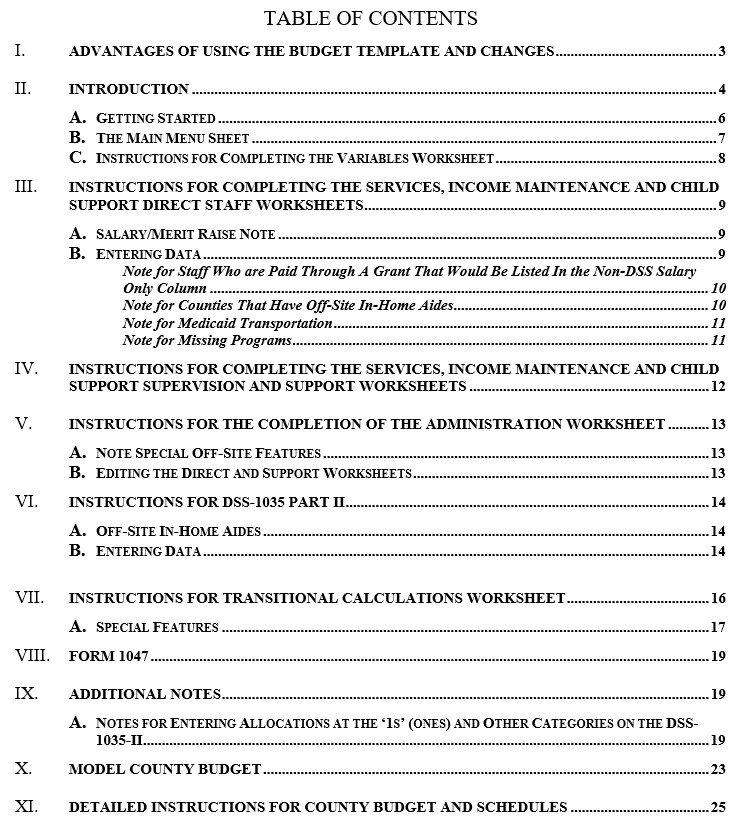
manufacturing overhead budgeting account template
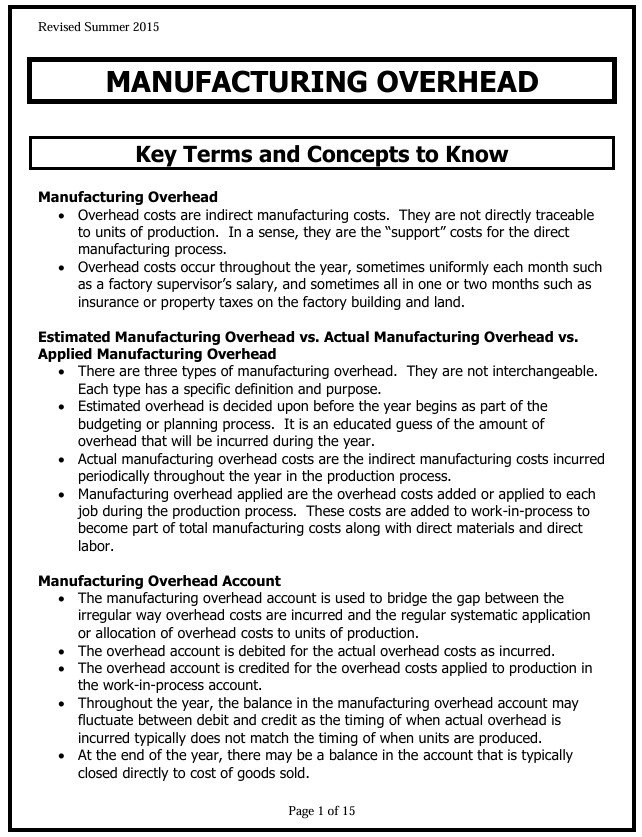
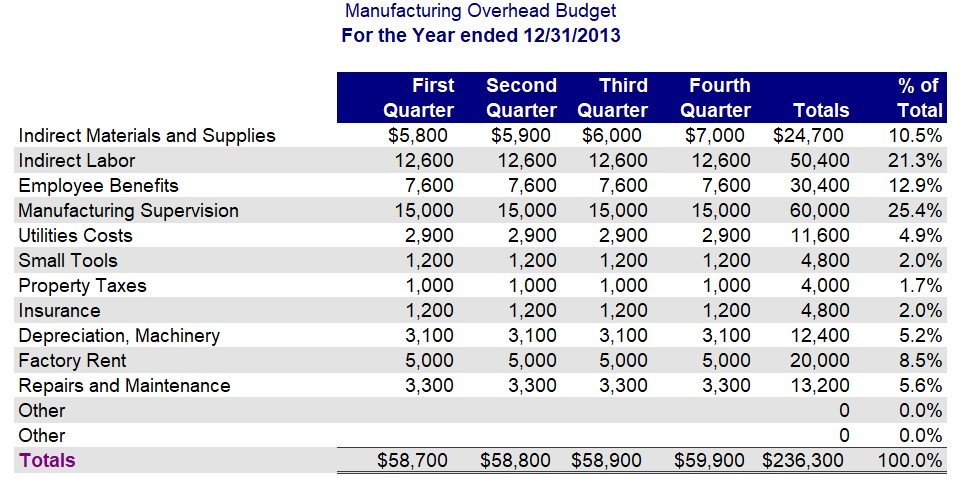
manufacturing overhead budget template excel
manufacturing department sales budget template
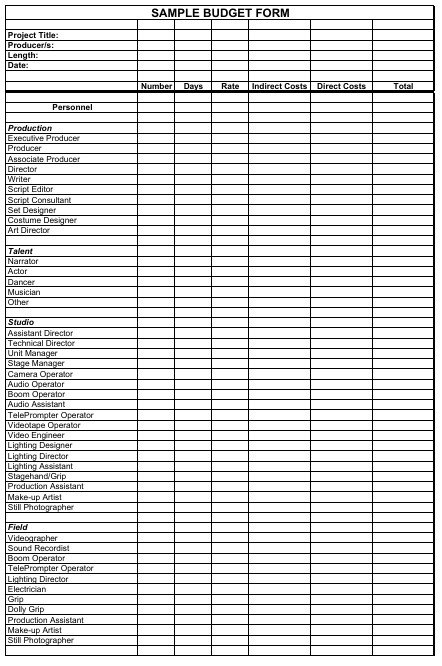
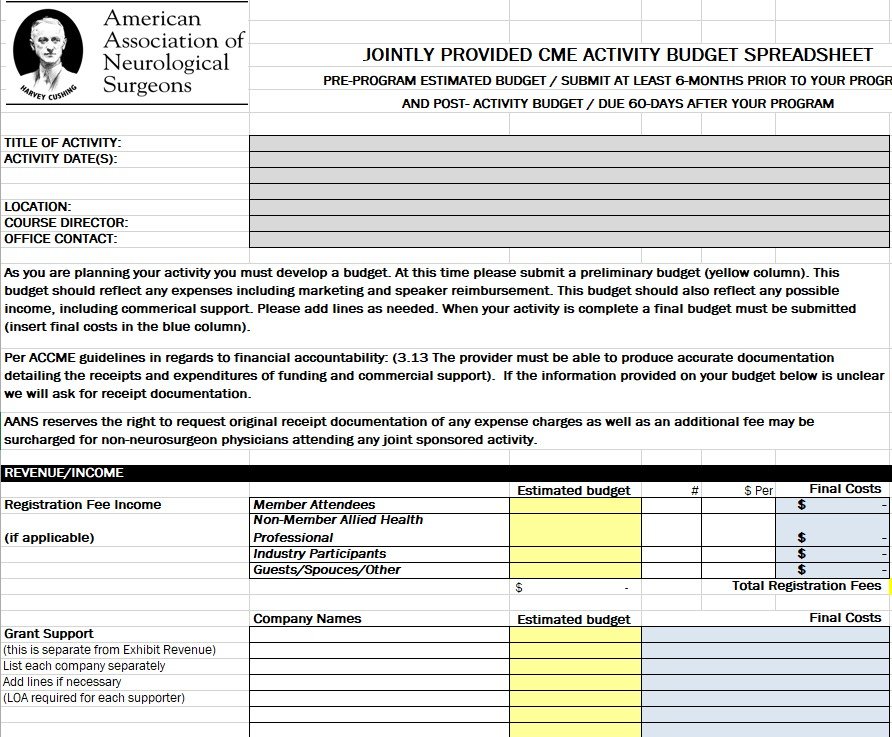
jointly provided cme activity budget spreadsheet
fixed payment budgeting template
cost and management accounting template
Final Thoughts
An Overhead Budget Template is one of the most practical financial tools a business can use. It provides a structured view of the indirect expenses required to keep the organization operating.
Without a clear overhead budget, it is easy to underestimate costs, overprice or underprice products, experience cash flow problems, and lose profit through unnecessary spending.
Start by listing your fixed, variable, and semi-variable overhead expenses. Review historical spending, estimate future changes, enter actual results, and investigate significant differences.
Over time, your Overhead Budget Template will help you understand the true cost of running your business. It will also make it easier to plan growth, manage cash flow, control expenses, and protect profitability.
A business may not be able to eliminate overhead completely, but it can manage it intelligently. With the right budget structure and regular financial reviews, overhead expenses can become predictable, controlled, and aligned with the company’s goals.
You May also Like
 12+ Free Excuse Letter for School (Word)
- Free Arizona LLC Operating Agreement Templates (Word / PDF)
- Printable Certificate of Conformance Templates & Forms (Excel / Word)
- Simple Action Plan Template – 4+ Excel, Word and PDF Examples
- Free Police Officer Resignation Letter Template [Word, PDF]
- Professional New Construction Home Warranty Template


![Free Police Officer Resignation Letter Template [Word, PDF]](https://exceltmp.com/wp-content/uploads/2021/07/police-officer-resignation-letter-150x150.jpg)