An inspection may take only a few minutes or several hours, but the report created afterward can remain important for months or even years. Whether you are inspecting a property, workplace, vehicle, construction site, machine, rental unit, product, or safety system, a well-structured report helps you record what you observed and communicate what needs to happen next.
This is where an Inspection Report Template becomes extremely useful.
I have noticed that many people understand how to perform an inspection but struggle when it is time to document the findings. They may forget important details, write descriptions that are too vague, or create a report that is difficult for others to understand. A template solves these problems by giving every inspection a consistent structure.
Instead of starting with a blank page, you can follow clearly defined sections for inspection details, observations, defects, photographs, recommendations, and approvals. This saves time while making the final document look more professional.
Table of Contents
What Is an Inspection Report Template?
An Inspection Report Template is a pre-designed document used to record the results of an inspection. It provides a standard format for documenting the condition of an item, location, system, property, or process.
The template usually contains spaces for:
- Inspector information
- Date and location of the inspection
- Inspection purpose
- Items or areas examined
- Observations and findings
- Defects or safety concerns
- Photographic evidence
- Recommended actions
- Signatures and approvals
Why an Inspection Report Template Is Important
An inspection report is more than a simple list of problems. It can serve as an official record, a maintenance guide, a safety document, or evidence in a disagreement.
Using a standard template improves the quality and reliability of that record.
Creates Consistency
When every inspector uses the same format, inspection reports become easier to compare. Managers can quickly identify recurring issues, review previous findings, and track whether corrective actions have been completed.
Consistency is especially valuable for businesses that conduct inspections regularly. A construction company, for instance, may perform daily, weekly, and monthly site inspections. A standard format allows the company to maintain organized records across different projects.
Reduces the Risk of Missing Information
Inspections often involve many small details. Even an experienced inspector can forget to check or record something.
A well-designed Inspection Report Template acts like a guide. It reminds the inspector to cover all required categories, from basic identification details to final recommendations.
Saves Time
Creating a new report format after every inspection is inefficient. A reusable template allows the inspector to focus on observations rather than document design.
Once the template has been prepared, the inspector only needs to enter the relevant information, attach evidence, and complete the recommendations.
Improves Communication
A clear report helps property owners, managers, contractors, employees, customers, and other stakeholders understand the inspection findings.
Instead of receiving confusing notes, they receive a structured document that explains:
- What was inspected
- What was found
- Why the issue matters
- What action is required
- How urgently the action should be completed
Supports Accountability
Inspection reports create a written record of responsibilities. When the report identifies a problem and assigns a corrective action, it becomes easier to track who is responsible for resolving it.
Dates, signatures, and approval sections also provide evidence that the inspection was completed and reviewed.
Common Uses of an Inspection Report Template
Inspection reports are used across many industries. Although the details may change, the basic reporting structure remains similar.
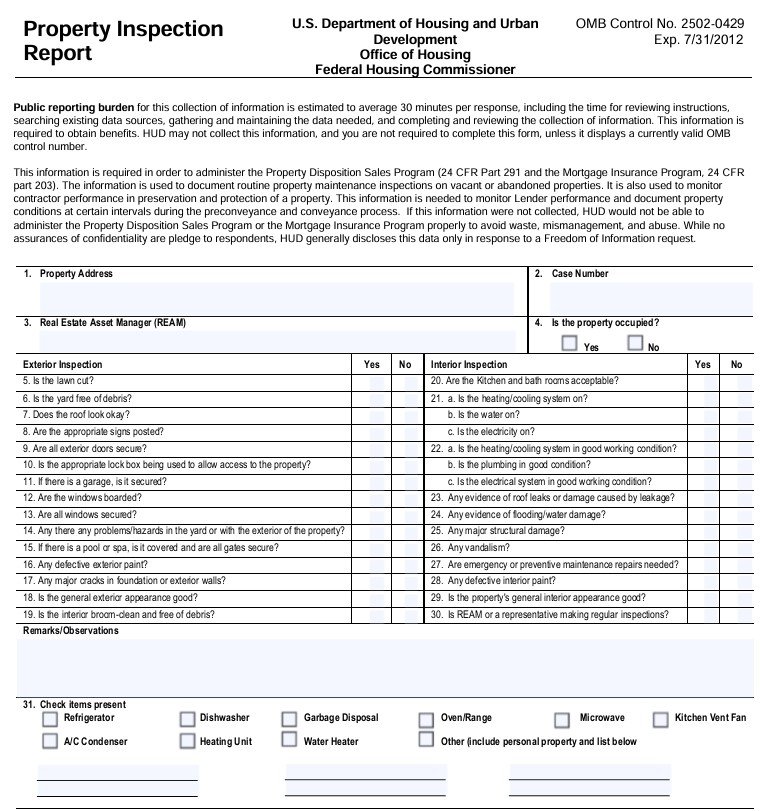
Property Inspection Reports
Property inspection templates are used for houses, apartments, commercial buildings, rental units, offices, and warehouses.
They may cover:
- Roof condition
- Walls and ceilings
- Doors and windows
- Plumbing systems
- Electrical systems
- Heating and cooling
- Flooring
- Security features
- Fire safety equipment
- Signs of moisture or structural damage
Landlords may use an inspection report before a tenant moves in and again when the tenant moves out. This provides a clear record of the property’s condition.
Construction Inspection Reports
Construction inspections help confirm that work is being completed according to approved drawings, specifications, safety rules, and quality standards.
A construction Inspection Report Template may include:
- Project name
- Work area
- Contractor details
- Work completed
- Materials inspected
- Safety observations
- Quality issues
- Non-conforming work
- Corrective actions
- Reinspection date
These reports can help project managers prevent small defects from becoming expensive problems.
Workplace Safety Inspection Reports
Workplace inspections focus on hazards that could harm employees, visitors, or contractors.
Common areas include:
- Emergency exits
- Fire extinguishers
- Electrical wiring
- Personal protective equipment
- Storage areas
- Machinery guards
- Slippery surfaces
- Chemical handling
- Lighting and ventilation
- First aid equipment
The report should clearly explain any hazard, its risk level, and the action required to control it.
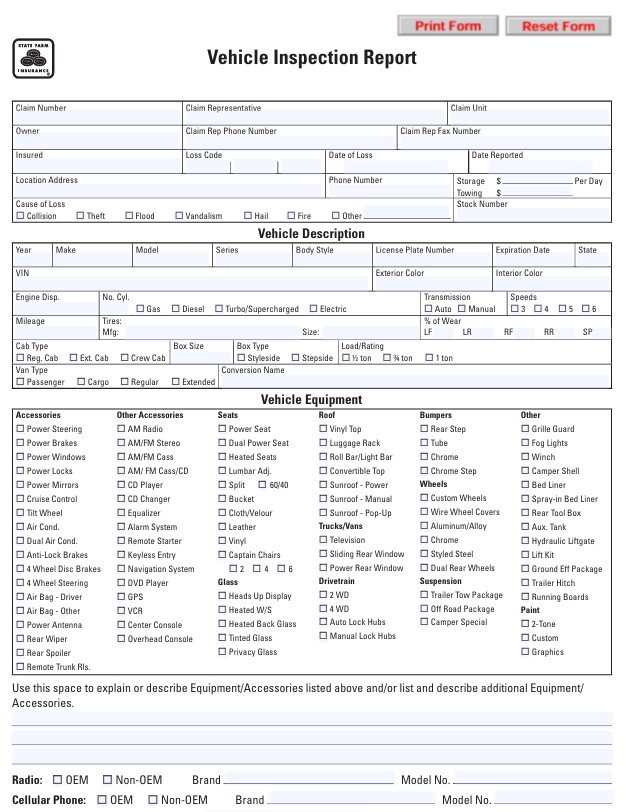
Vehicle Inspection Reports
Vehicle inspection templates are used for personal cars, company fleets, trucks, buses, motorcycles, and heavy equipment.
The inspection may cover:
- Tires
- Brakes
- Lights
- Mirrors
- Seat belts
- Fluid levels
- Engine condition
- Steering
- Suspension
- Windshield
- Registration documents
- Visible body damage
Fleet managers can use these reports to schedule maintenance and prevent unsafe vehicles from being used.
Equipment and Machinery Inspection Reports
Machines and tools should be inspected regularly to confirm that they are safe and working correctly.
An equipment inspection report may document:
- Equipment identification number
- Manufacturer and model
- Operating condition
- Safety guards
- Leaks
- Unusual sounds or vibration
- Damage or wear
- Maintenance history
- Repair requirements
- Final operating status
These reports are commonly used in factories, workshops, warehouses, construction sites, and industrial facilities.
Product Quality Inspection Reports
Manufacturers and suppliers use inspection reports to check the quality of finished products, packaging, materials, and shipments.
The report may include:
- Product name
- Batch or order number
- Quantity inspected
- Measurement results
- Appearance
- Functionality
- Packaging condition
- Defect type
- Accepted quantity
- Rejected quantity
- Final approval status
A clear quality inspection report helps reduce customer complaints and maintain consistent production standards.
How to Write an Effective Inspection Report
Using a professional Inspection Report Template is helpful, but the quality of the final report still depends on how the information is recorded.
Prepare Before the Inspection
Review previous reports, drawings, maintenance records, complaints, or work orders before beginning.
Make sure you have the necessary tools, such as:
- Camera or mobile device
- Measuring tape
- Flashlight
- Testing equipment
- Personal protective equipment
- Printed or digital checklist
- Writing materials
Preparation allows you to inspect more efficiently and reduces the chance of overlooking important areas.
Follow a Logical Inspection Route
Inspect the location or equipment in an organized sequence.
For a building, you might begin outside, move through each floor, and finish with utility or service areas. For a vehicle, you might begin with exterior components, continue with the interior, and finish with engine and operating checks.
A consistent route prevents repeated work and missed sections.
Record Findings During the Inspection
Do not rely on memory. Write notes, select checklist options, and take photographs while you are still at the inspection location.
Small details can easily be forgotten later, especially when several similar rooms, machines, vehicles, or products are inspected on the same day.
Use Clear and Neutral Language
Inspection reports should be professional and objective.
Avoid phrases such as:
- “The owner clearly ignored this.”
- “The worker did a terrible job.”
- “This looks very dangerous.”
Use factual language instead:
- “No maintenance record was available at the time of inspection.”
- “The installed component does not match the approved specification.”
- “The damaged guard may allow contact with moving parts.”
Neutral wording protects the credibility of the report.
Separate Facts from Opinions
Clearly distinguish between what you observed and what you recommend.
An observation might be:
“Water was present on the floor beneath the air-conditioning unit.”
The recommendation might be:
“Arrange for a qualified technician to inspect the condensate drain and repair the source of the leak.”
This separation makes the report easier to understand.
Include Measurements When Possible
Specific measurements improve accuracy.
Instead of writing “large gap,” state:
“A gap measuring approximately 18 millimeters was observed between the door and frame.”
Instead of writing “high temperature,” state:
“The surface temperature measured 78°C during operation.”
Measurements make findings more useful for repair teams, contractors, and future inspectors.
Inspection Report Template Example
The following structure can be adapted for most inspection purposes.
Inspection Information
Report Title:
Report Number:
Inspection Date:
Inspection Time:
Location:
Client or Department:
Inspector Name:
Inspection Type:
Purpose of Inspection:
Scope
Describe the areas, items, systems, or activities included in the inspection.
Inspection Checklist
Item or Area:
Condition: Good / Acceptable / Needs Attention / Poor / Critical
Comments:
Photo Reference:
Repeat this section for every inspected item.
Findings
Finding Number:
Location:
Description:
Condition Rating:
Potential Impact:
Supporting Photo:
Recommended Action
Action Required:
Priority: Low / Medium / High / Immediate
Responsible Person:
Target Completion Date:
Follow-Up Required: Yes / No
Overall Summary
Provide a short overview of the condition, major findings, and required next steps.
Approval
Inspector Signature:
Date:
Reviewer Signature:
Date:
Client Acknowledgment:
This basic layout can be expanded or simplified depending on the complexity of the inspection.
Final Thoughts
A professional Inspection Report Template helps transform inspection notes into a clear, organized, and actionable document. It saves time, improves consistency, and reduces the risk of missing important information.
The best templates are not necessarily the most complicated. They are the ones that guide the inspector through each required step and make the final findings easy for others to understand.
A strong inspection report should clearly answer five questions:
- What was inspected?
- What condition was observed?
- What problems were identified?
- What actions are required?
- Who is responsible for completing those actions?
When these questions are answered with accurate descriptions, supporting photographs, realistic deadlines, and clear recommendations, the report becomes much more valuable.
Whether you are inspecting a home, office, construction site, vehicle, machine, product, or workplace, using a reusable inspection report template can make the entire process faster and more professional. It also creates a reliable record that can support maintenance planning, safety management, quality control, compliance, and future decision-making.
Instead of rebuilding your report from the beginning every time, create a flexible template that matches your inspection process. Review it regularly, improve it based on practical experience, and make sure every inspector understands how to use it correctly.
A carefully prepared inspection report does more than describe problems. It helps people take the right action before minor issues become major risks.
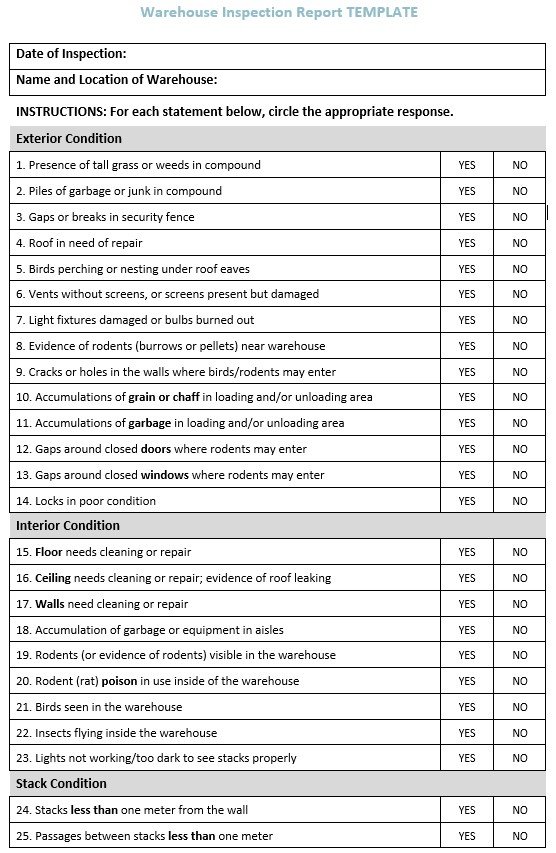
warehouse inspection report template
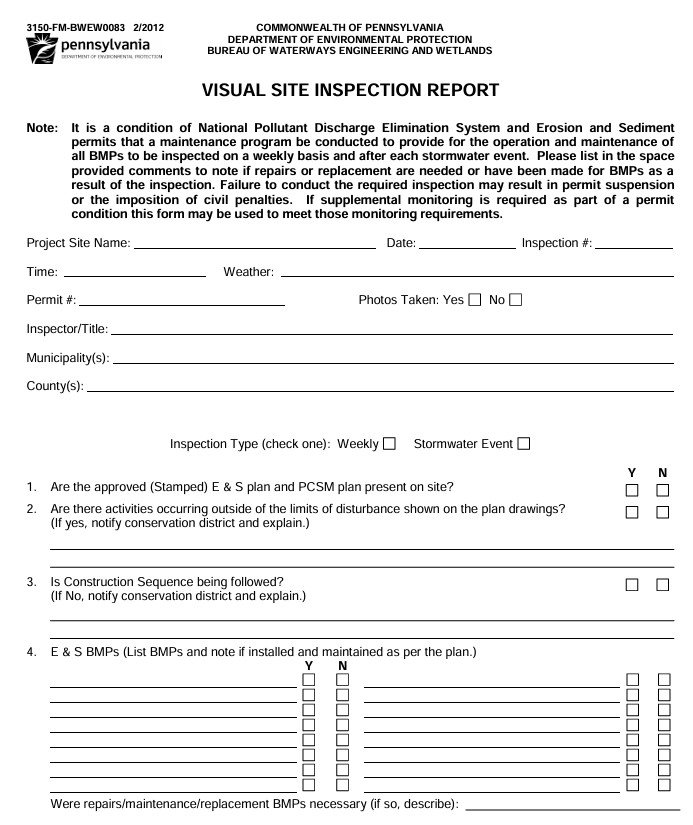
visual site inspection report
vehicle inspection report template
property inspection report template
free Inspection Report Template
food services health & safety inspection report template
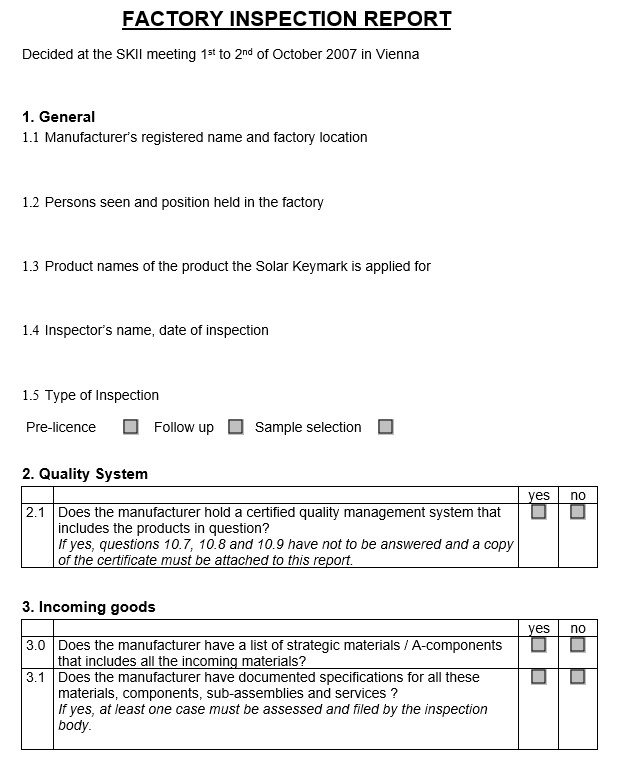
factory inspection report template
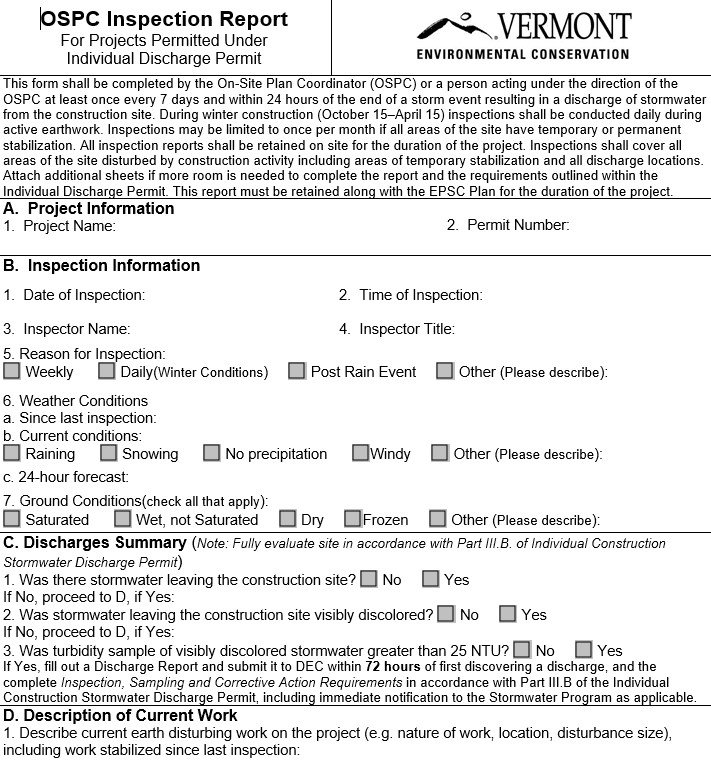
environmental inspection report template
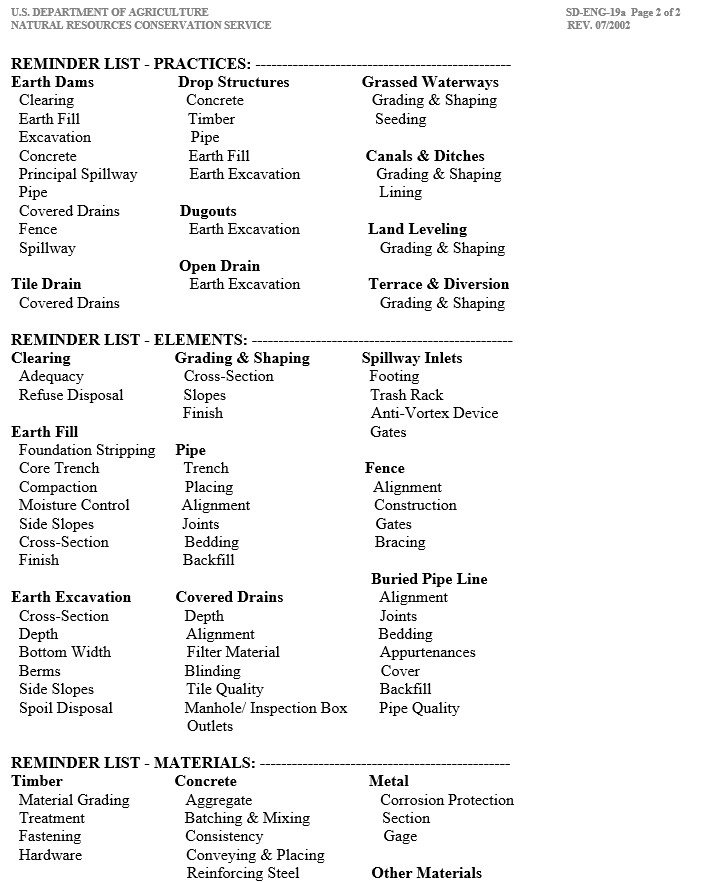
construction inspection report template
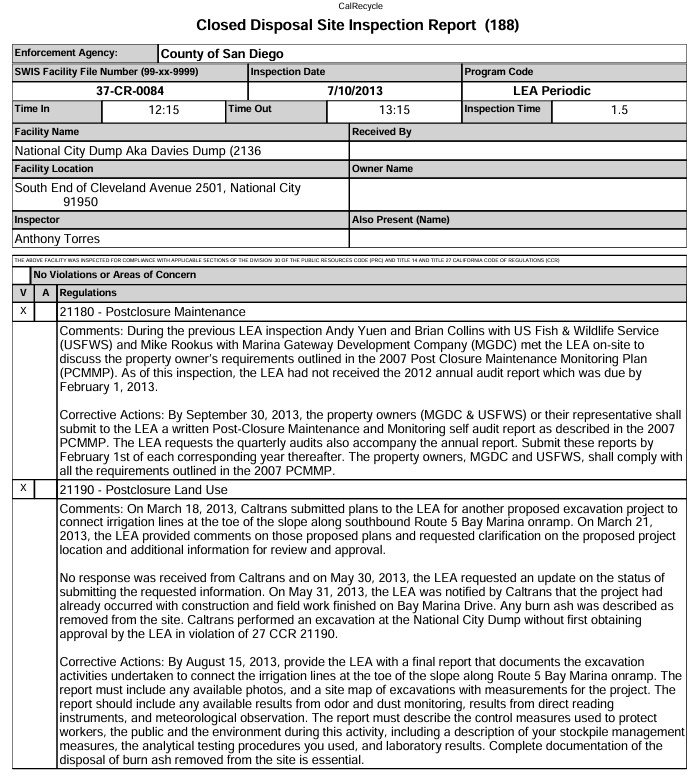
closed disposal site inspection report template
Frequently Asked Questions
What Is the Main Purpose of an Inspection Report?
The main purpose is to document the condition of an item, property, location, system, or process at a specific time. It identifies defects, risks, and required actions.
Who Should Complete an Inspection Report?
The report should be completed by a person with appropriate knowledge of the item or area being inspected. Depending on the situation, this may be a property inspector, safety officer, engineer, supervisor, technician, quality controller, or trained employee.
Can I Use One Inspection Report Template for Every Inspection?
A general template can be used as a starting point, but it should be adapted for each type of inspection. A vehicle inspection requires different checklist items from a property or workplace safety inspection.
Should an Inspection Report Include Photos?
Photos are strongly recommended when they help show defects, damage, measurements, locations, or completed corrective actions. Every photograph should be clearly labeled.
What Is the Difference Between an Inspection Checklist and an Inspection Report?
A checklist records whether specific items were examined and their basic condition. An inspection report usually includes the checklist along with detailed findings, photographs, risk ratings, recommendations, and signatures.
You May also Like
 Free Hold Harmless Agreement Templates & Examples (Word, PDF)
- 8+ Free Concept Map Templates (Word / PowerPoint)
 Simplify Tracking with Our Inventory Spreadsheet Templates (Excel)
- 12+ Free Excuse Letter for School (Word)
- Free College Student Resume Templates (Word / PDF)
- 8+ Free Video Consent Forms & Templates (Word, PDF)