Running a business becomes much easier when you know exactly where your money is going. Sales may look healthy, customers may keep coming in, and revenue can even increase month after month, but that does not automatically mean the business is financially strong. Behind every product sold or service delivered, there are dozens of expenses quietly reducing profit.
This is exactly why I believe every business owner should have an Overhead Budget Template.
An Overhead Budget Template helps you organize, estimate, monitor, and control the indirect expenses required to keep your business operating. Instead of wondering why profit seems lower than expected at the end of the month, you can see your overhead costs clearly and make better financial decisions before problems develop.
Whether you are running a small company, managing a growing startup, working as a freelancer, operating a retail store, or preparing a departmental budget, an overhead budget gives you a clearer picture of the true cost of doing business.
Table of Contents
What Is an Overhead Budget Template?
An Overhead Budget Template is a structured financial document used to estimate and track the indirect expenses of operating a business during a specific period.
These expenses are called overhead costs because they support the overall operation of the business rather than being directly connected to the production of one specific product or service.
For example, if you manufacture furniture, the wood used to build a table is a direct cost. However, the factory rent, accounting software, office electricity, insurance, internet connection, and administrative salaries are generally considered overhead expenses.
An Overhead Budget Template brings these costs together in one organized place.
A typical template may include:
- Rent or lease payments
- Electricity and utilities
- Administrative salaries
- Business insurance
- Office supplies
- Internet and telephone expenses
- Software subscriptions
- Professional fees
- Maintenance expenses
- Marketing support expenses
- Depreciation
- Security services
- Cleaning costs
- Bank charges
- Travel expenses
- Miscellaneous operating expenses
The purpose of the template is not simply to record expenses after they happen. A good overhead budget also helps you estimate upcoming expenses so that you can prepare for them in advance.
Why an Overhead Budget Template Matters
When I look at business budgeting, overhead is one of the areas that can easily be underestimated.
A business owner may focus heavily on inventory, payroll, manufacturing, or sales targets while treating overhead expenses as small individual costs. The problem is that dozens of small recurring expenses can become a significant financial burden when combined.
An Overhead Budget Template makes these costs visible.
Helps You Understand the Real Cost of Running Your Business
Revenue alone cannot tell you whether your business is successful.
Imagine your company generates $40,000 in monthly revenue. At first glance, that may sound impressive. But after paying for materials, employee wages, rent, utilities, software, insurance, advertising, professional services, and administrative expenses, the actual profit may be much smaller.
Tracking overhead expenses allows you to see how much money is required simply to keep the business functioning.
Makes Financial Planning More Predictable
Unexpected expenses are one of the biggest challenges in business.
Some expenses cannot be predicted perfectly, but many overhead costs follow a pattern. Rent, subscriptions, administrative salaries, insurance, internet bills, and software costs are usually predictable.
When these amounts are included in an Overhead Budget Template, you can estimate future cash requirements more accurately.
It Can Reveal Unnecessary Spending
One thing I personally like about organized budgeting is how quickly it exposes waste.
You might discover that your company is paying for software nobody uses, maintaining unnecessary subscriptions, spending too much on office supplies, or paying unusually high utility bills.
Once these expenses are visible, you can decide whether they should be reduced, renegotiated, or eliminated.
Supports Better Pricing Decisions
Pricing products or services without understanding overhead costs can be risky.
If your prices cover direct production costs but fail to contribute enough toward overhead expenses, the business may generate sales without generating meaningful profit.
An overhead budget helps you understand how much indirect cost should be covered through your pricing structure.
Main Categories in an Overhead Budget Template
A well-designed Overhead Budget Template should divide expenses into logical categories. This makes the budget easier to review and helps you identify which areas are responsible for the largest costs.
Rent and Facility Expenses
For many businesses, rent is one of the largest fixed overhead costs.
This category may include:
- Office rent
- Warehouse rent
- Retail shop rent
- Factory lease payments
- Property taxes
- Building maintenance charges
- Shared workspace fees
If your business operates from multiple locations, I recommend listing each location separately.
This makes it easier to compare the cost of different facilities.
Utilities
Utility expenses are necessary for everyday business operations.
Common utility costs include:
- Electricity
- Water
- Gas
- Heating
- Cooling
- Waste disposal
Some utility expenses vary throughout the year. For example, electricity costs may increase during summer or winter depending on your location and business environment.
Using historical monthly averages can help you create more accurate estimates.
Administrative Salaries
Employees who support the general operation of the company rather than directly producing goods may be included in overhead.
Examples may include:
- Receptionists
- Office managers
- Accountants
- Human resources staff
- Administrative assistants
- General management employees
Payroll taxes and employee benefits may also need to be included depending on how your accounting system is structured.
Office Supplies
Office supplies may appear inexpensive individually, but they can accumulate over time.
This category may include:
- Printer paper
- Pens
- Notebooks
- Printer ink
- Filing materials
- Cleaning supplies
- Stationery
Tracking these expenses separately can help identify areas where purchasing policies could be improved.
Software and Technology
Modern businesses often rely heavily on subscription-based software.
Examples include:
- Accounting software
- Project management software
- CRM systems
- Cloud storage
- Website hosting
- Email marketing platforms
- Design tools
- Cybersecurity services
- Video conferencing software
Because many software subscriptions renew automatically, they are easy to forget.
I recommend reviewing this section of the budget at least every few months.
Insurance
Business insurance protects the organization from different types of financial risk.
Common insurance expenses may include:
- General liability insurance
- Property insurance
- Workers’ compensation
- Professional liability insurance
- Vehicle insurance
- Cyber insurance
Insurance expenses are often paid annually, quarterly, or monthly, so your Overhead Budget Template should reflect the actual payment schedule.
Professional Services
Businesses often depend on external professionals.
This category might include:
- Accountants
- Lawyers
- Tax consultants
- Business consultants
- IT specialists
- Bookkeeping services
- Financial advisors
These costs may vary from month to month, so budgeting a realistic average can be useful.
Marketing and Advertising Support
Depending on your accounting structure, certain marketing expenses may be treated as overhead.
Possible expenses include:
- Website maintenance
- Social media tools
- Graphic design subscriptions
- Promotional materials
- Local advertising
- Email marketing services
- Branding expenses
Large advertising campaigns may sometimes be budgeted separately, but smaller recurring marketing expenses are often included in operating overhead.
Repair and Maintenance Expenses
Equipment, buildings, computers, furniture, and vehicles all require maintenance.
Your Overhead Budget Template may include:
- Equipment servicing
- Computer repairs
- Building repairs
- HVAC maintenance
- Vehicle maintenance
- Furniture replacement
- Routine inspections
I usually recommend creating a small monthly reserve for maintenance even when no repairs are expected.
That way, unexpected maintenance expenses are less disruptive.
Communication Expenses
Communication costs are another common form of business overhead.
These may include:
- Internet
- Business telephone service
- Mobile phone plans
- Video conferencing services
- Communication software
Many companies underestimate this category because several communication tools may be billed separately.
Banking and Financial Fees
Small banking fees can quietly reduce profit.
Examples include:
- Bank service charges
- Credit card processing fees
- Payment gateway fees
- Transaction charges
- Loan administration fees
If your company processes a large number of payments, these costs can become significant.
Depreciation
Business assets such as computers, equipment, furniture, and vehicles lose value over time.
Accounting for depreciation provides a more realistic view of the long-term cost of using business assets.
Your accountant may calculate depreciation differently depending on local accounting rules, so it is usually best to use the method recommended for your financial statements.
How to Calculate Your Overhead Rate
Understanding your overhead rate can help determine how much of your revenue is being consumed by overhead expenses.
A common formula is:
Overhead Rate = Total Overhead Costs ÷ Revenue × 100
Suppose your business has:
Total monthly overhead = $20,000
Monthly revenue = $80,000
Your overhead rate would be:
20,000 ÷ 80,000 × 100 = 25%
This means 25% of your revenue is being used to cover overhead expenses.
Another method compares overhead to direct labor costs.
For example:
Overhead Rate = Total Overhead ÷ Direct Labor Cost
This approach is often used by service companies and project-based businesses.
How an Overhead Budget Helps With Pricing
One of the most important reasons to track overhead is pricing.
Let’s imagine you sell a product for $100.
The direct cost to produce the product is $60.
At first, it may appear that your profit is $40.
However, the business also has rent, insurance, administrative payroll, software expenses, utilities, accounting fees, and other overhead.
A portion of that overhead must be assigned to each sale.
If overhead adds another $25 of cost per unit, your true profit is closer to $15.
Without accurate overhead budgeting, businesses may unintentionally underprice their products.
Using an Overhead Budget Template for Small Businesses
Small businesses can benefit enormously from structured overhead tracking.
In smaller companies, cash flow is often tighter, so even relatively small increases in overhead can affect profitability.
I recommend that small business owners review overhead monthly.
Look for changes in:
- Software subscriptions
- Utility bills
- Insurance
- Staff costs
- Professional services
- Bank fees
- Office expenses
Small adjustments can produce meaningful savings over a year.
For example, saving just $300 per month in unnecessary overhead creates $3,600 in annual savings.
Overhead Budget Template for Startups
Startups face a slightly different budgeting challenge because they often lack historical expense data.
If you are building a startup overhead budget, estimates may need to come from supplier quotes, market research, or comparable businesses.
Typical startup overhead expenses may include:
- Coworking or office rent
- Business registration
- Accounting services
- Legal services
- Website hosting
- Software subscriptions
- Insurance
- Marketing tools
- Communication costs
- Administrative salaries
I strongly recommend including a contingency amount in a startup budget.
Unexpected costs are common during the early stages of a business.
Overhead Budget Template for Project-Based Businesses
Consultants, construction companies, agencies, freelancers, and contractors may also need to allocate overhead to projects.
For example, a consulting company may have overhead expenses such as:
- Office rent
- Accounting software
- Administration
- Internet
- Business insurance
- Project management software
These expenses need to be recovered through project pricing.
A company might calculate an overhead allocation rate and include it when determining client fees.
Doing this helps ensure that projects contribute not only toward direct costs but also toward the overall cost of running the company.
Benefits of Using a Spreadsheet Overhead Budget Template
A spreadsheet remains one of the most practical tools for overhead budgeting.
Programs such as Microsoft Excel or Google Sheets allow you to create formulas, charts, monthly comparisons, and annual summaries.
A useful spreadsheet might contain the following columns:
- Expense category
- Description
- Monthly budget
- Actual monthly cost
- Variance
- Percentage difference
- Notes
You can also create separate worksheets for each month and one annual summary dashboard.
This provides a simple but powerful financial management system.
How Overhead Budgeting Improves Profitability
Increasing sales is not the only way to improve profit.
Reducing unnecessary overhead can have an immediate impact.
Suppose a company generates $500,000 in annual revenue and has $150,000 in overhead expenses.
If the company reduces unnecessary overhead by $15,000, that $15,000 can directly improve profitability without requiring additional sales.
That is why overhead management can be just as important as revenue growth.
What Should Be Included in an Overhead Budget Template?
Although every company is different, a comprehensive Overhead Budget Template may contain the following sections:
Facility Costs
Rent, utilities, repairs, maintenance, cleaning, and security.
Administrative Expenses
Administrative payroll, office supplies, stationery, and general management expenses.
Technology Expenses
Software subscriptions, cloud storage, hosting, IT support, and communication tools.
Professional Services
Accounting, legal, consulting, and bookkeeping fees.
Insurance and Compliance
Business insurance, licenses, permits, and regulatory expenses.
Financial Expenses
Bank fees, payment processing charges, and financial service fees.
Marketing Support
Website maintenance, advertising tools, subscriptions, and promotional support.
Miscellaneous Expenses
Unexpected or smaller operating expenses.
Having clear categories makes your budget easier to understand and maintain.
Final Thoughts
An Overhead Budget Template may look like a simple spreadsheet, but it can become one of the most useful financial management tools in your business.
When overhead expenses are scattered across bank statements, invoices, payroll records, software accounts, and credit cards, it can be difficult to understand the true cost of operating the company.
Bringing those expenses together changes the picture completely.
You can see exactly where money is going, identify unnecessary costs, prepare for upcoming expenses, improve pricing decisions, and create more accurate financial forecasts.
For me, the biggest benefit of overhead budgeting is clarity.
You do not need a complicated financial system to begin. Start with a simple monthly Overhead Budget Template, list your expenses, enter realistic estimates, compare them with actual spending, and review the results regularly.
Over time, your budget will become more accurate.
More importantly, you will develop a much clearer understanding of how your business actually uses money.
And when you understand your overhead, you are in a much stronger position to control costs, protect cash flow, and build a more profitable business.
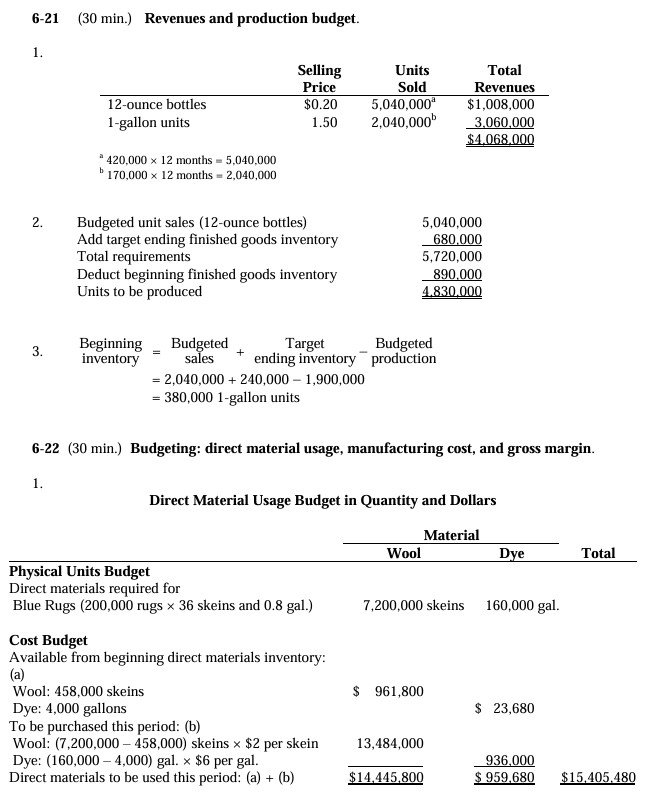
sales and production budget example
production budget template
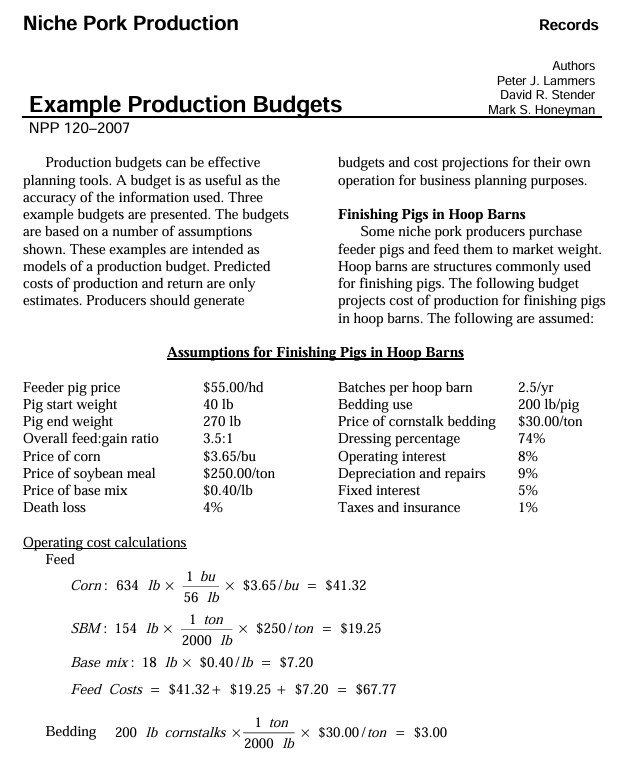
overhead budget template
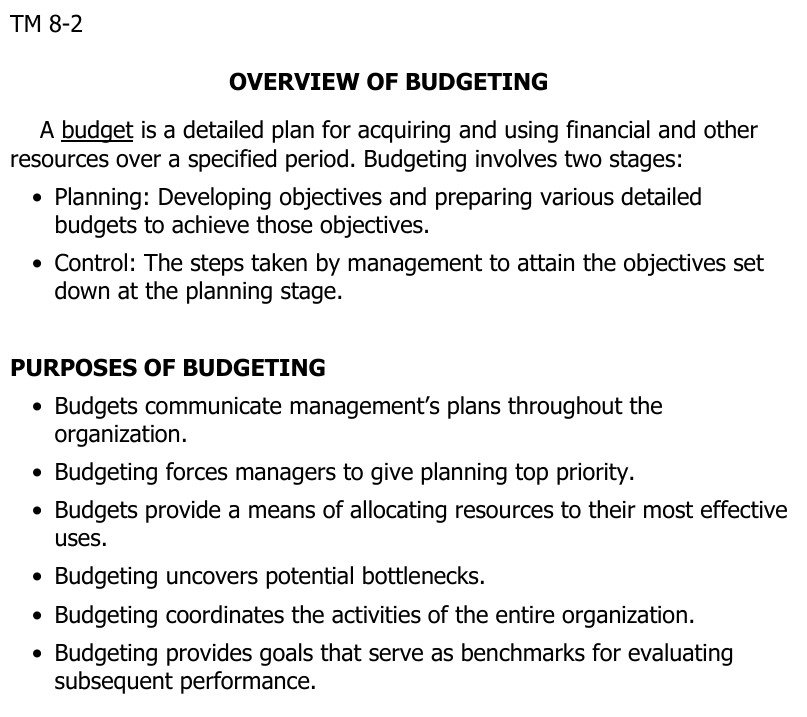
overhead budget manual template
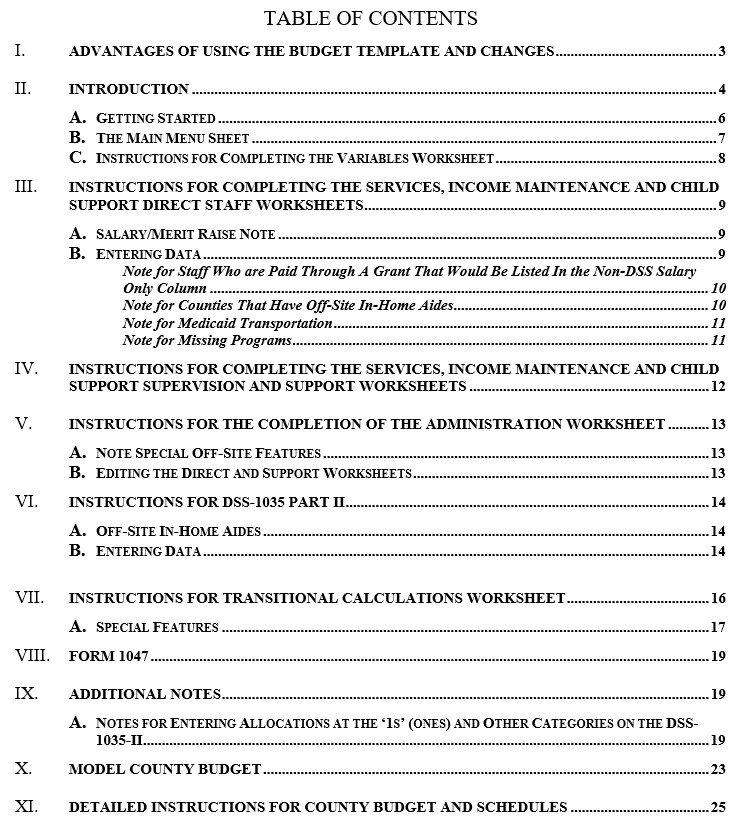
manufacturing overhead budgeting account template
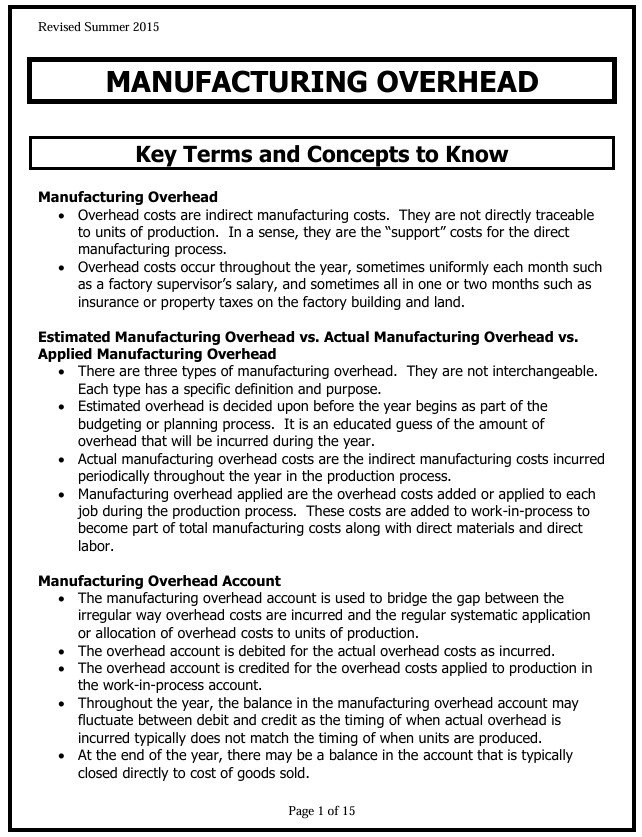
manufacturing overhead budget template excel
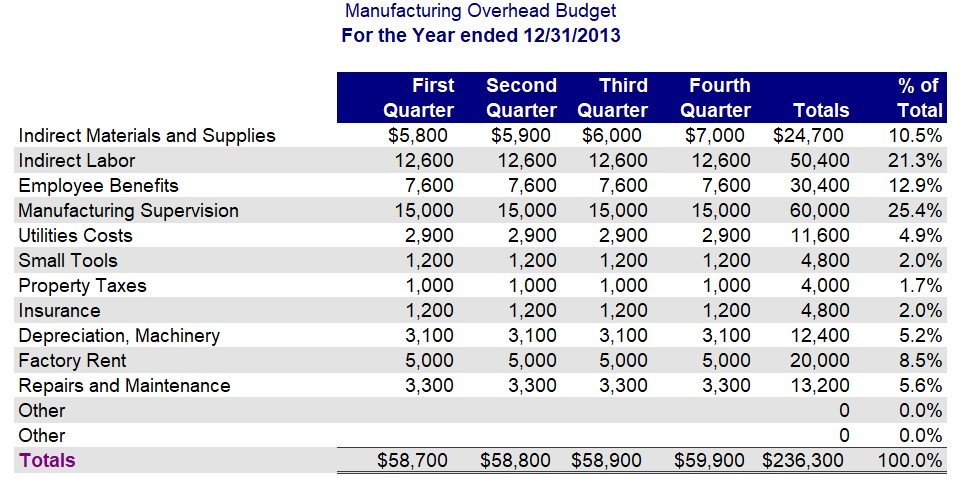
manufacturing department sales budget template
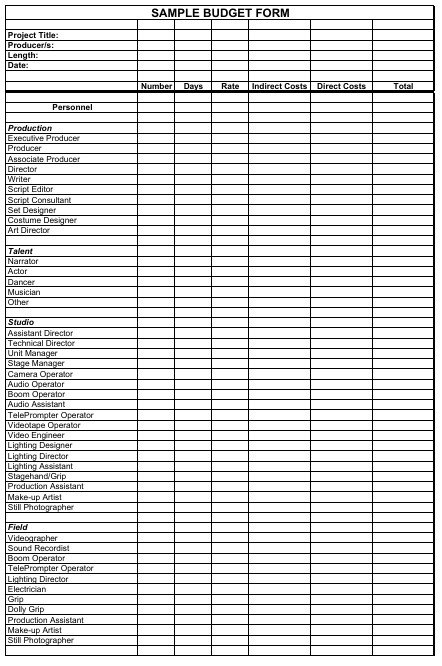
jointly provided cme activity budget spreadsheet
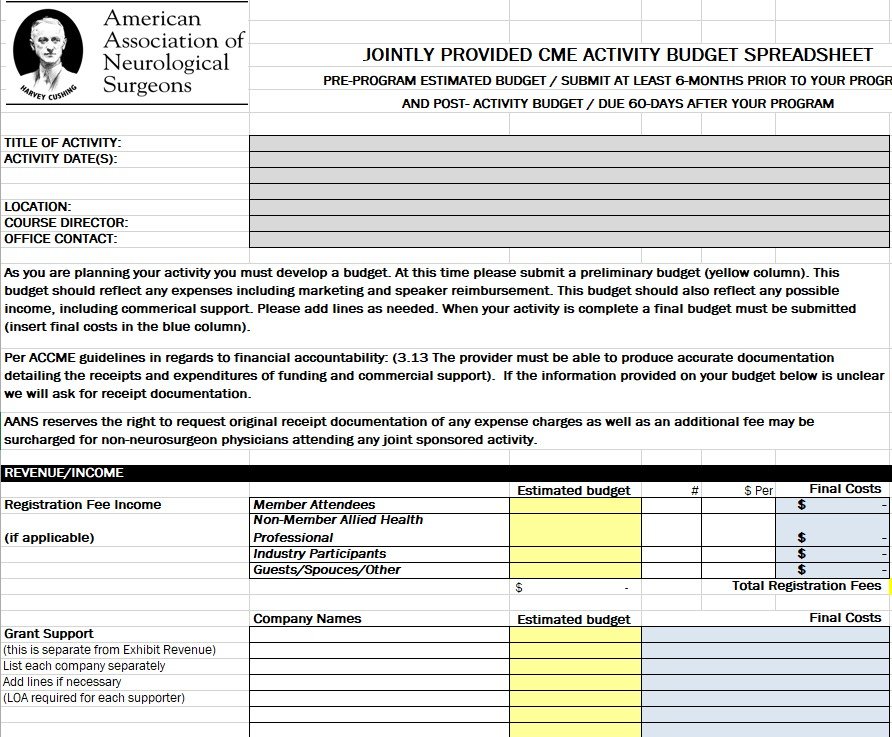
fixed payment budgeting template
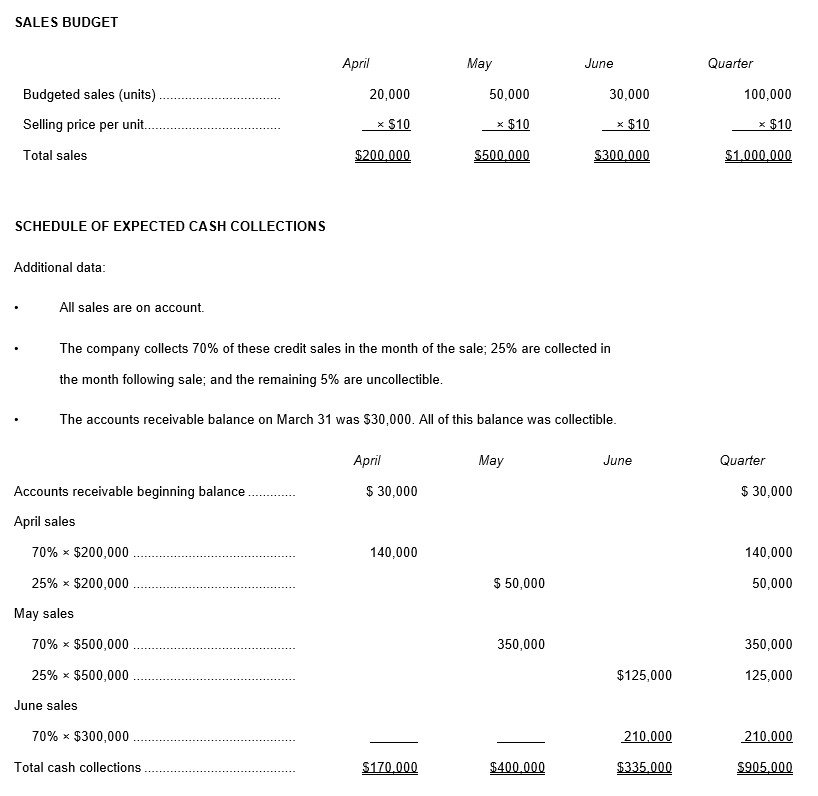
cost and management accounting template
Frequently Asked Questions
What Is the Purpose of an Overhead Budget?
The purpose of an overhead budget is to estimate and control the indirect costs required to operate a business.
It helps management understand operating expenses, plan cash flow, control spending, and improve profitability.
Is Payroll Considered Overhead?
Some payroll expenses are considered overhead while others are direct costs.
Production workers or employees directly involved in delivering a service may be classified as direct labor.
Administrative employees are more commonly treated as overhead.
How Do I Calculate Total Overhead?
Add all indirect operating expenses during the selected period.
For example:
Rent + utilities + administrative salaries + insurance + software + professional fees + other indirect expenses = total overhead.
You May also Like
 Free California Rental Application Forms (Word / PDF)
- Free Third Party Financing Addendum Templates & Forms (Word)
- Free Mortgage Lien Release Form (Satisfaction of Mortgage) [Word / PDF]
- Simplify Procurement with Our Customizable Supply Order Templates & Forms
- Salary Breakdown Excel Template
- Free Printable School Report Card Templates (Word / PDF)
![Free Mortgage Lien Release Form (Satisfaction of Mortgage) [Word / PDF]](https://exceltmp.com/wp-content/uploads/2023/03/free-mortgage-lien-release-form-150x150.jpg)